Tampa Bay Rays Sit Atop the AL East With the American League's Best Record
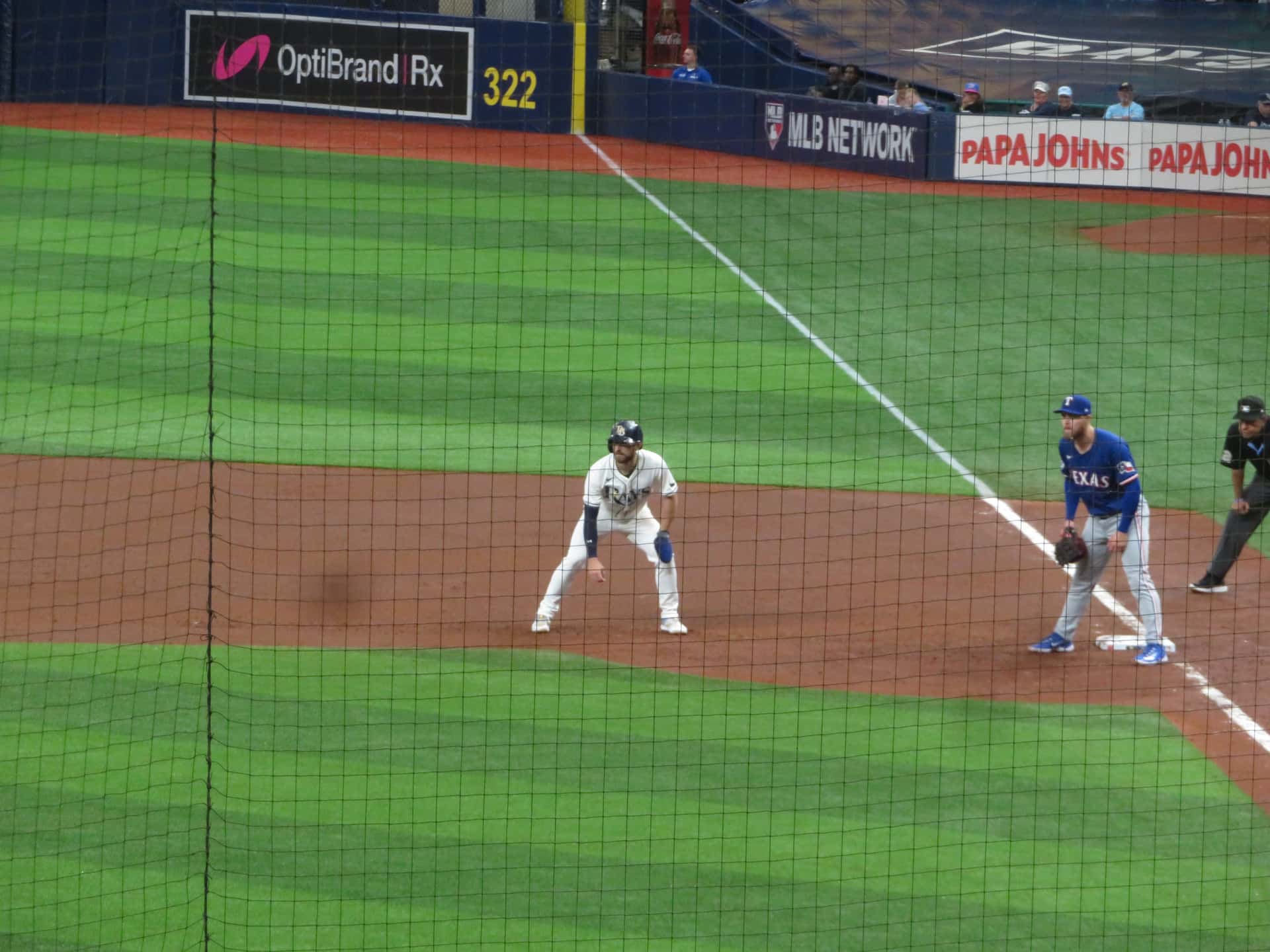
The Tampa Bay Rays have spent the early summer doing what they have so often done: outperforming expectations and frustrating the rest of the division. With the best record in the American League and a hold on first place in the AL East, the Rays have transformed what many predicted would be a transitional year into one of the most encouraging stories in baseball, and they have done it the way Tampa Bay always seems to, by getting more out of less.
How the Rays got here
The foundation has been pitching. Tampa Bay's staff has outperformed projections, anchoring a club that has handled its division rivals and weathered early-season injuries that might have sunk a less resilient roster. The Rays have strung together strong stretches, including a recent run that saw them win 18 of 22 games, the kind of sustained excellence that separates contenders from pretenders over a long season.
The lineup has provided enough support to complement the arms. Young infielder Junior Caminero and veteran Yandy Diaz have supplied power, and the club has gotten contributions up and down the order during its hot streaks. The blend of homegrown talent and shrewd acquisitions is a familiar Rays formula, and it has clicked through the first quarter of the schedule.
What stands out about the early run is how evenly the contributions have been distributed. Rather than leaning on one or two bats to carry the offense, the Rays have spread the production across the order, with different hitters stepping forward on different nights. That kind of balance is harder for opposing pitchers to plan around, and it tends to hold up better over a long season than an offense that lives or dies with a single slugger. Tampa Bay has long preferred building lineups in that mold, prioritizing on-base ability, situational hitting, and depth over star power, and the approach has paid dividends again.
Defense and base running have quietly reinforced the formula as well. The Rays have built a reputation for fundamentals that do not show up in highlight reels but win close games, the kind of disciplined baseball that turns a one-run loss into a one-run win over the course of a summer. Those marginal edges, multiplied across dozens of tight contests, help explain how a club without an overwhelming payroll keeps finding itself near the top of the standings when the records are tallied.
Tampa Bay has not been flawless. The team recently absorbed a multi-game losing streak that included a rainout and a sweep, a reminder that even the league's best teams hit rough patches. But the Rays have shown the ability to right themselves quickly, and their cushion in the standings has given them room to absorb the occasional skid.
The pitching engine
Tampa Bay has built its identity on run prevention, and this season is no exception. The staff has been the driving force behind the team's perch atop the standings, suppressing opposing offenses and keeping the Rays in games even when the bats go quiet. That formula travels well over a 162-game season, where consistency on the mound tends to outlast hot and cold streaks at the plate.
The Rays have long been admired across baseball for their ability to develop pitching and to extract value from arms other organizations overlook. The current staff continues that tradition, and its performance has been the single biggest reason the club is where it is. Depth matters over a long season, and Tampa Bay's pitching has provided it.
Whether that production is sustainable is the question that will define the Rays' summer. Pitching staffs are vulnerable to injury and regression, and the grind of the season tests every rotation and bullpen. For now, though, the arms have carried Tampa Bay to the top of the toughest division in the sport.
The bullpen has been an especially important piece of the puzzle. Late-inning leads are where contenders are separated from also-rans, and the Rays have generally protected the advantages their starters and lineup have built. A reliable relief corps shortens games and changes how a manager can attack the middle innings, allowing Tampa Bay to lean on its best arms in the highest-leverage spots. That flexibility is part of why the club has been able to win the close, low-margin games that pile up over a season.
There is also a developmental dimension worth noting. The Rays have historically used the early months to find out which of their young arms can handle big-league responsibility, and the answers shape how aggressive the front office becomes as the calendar turns. If the current group of pitchers proves durable, Tampa Bay may feel comfortable holding its prospect capital. If injuries mount, the same depth that looks like a strength now could be stretched thin, and the staff's resilience will be tested in ways the early returns have not yet demanded.
The AL East gauntlet
Leading the AL East is no small feat. The division is perennially among the most competitive in baseball, stacked with high-payroll heavyweights and demanding night in and night out. The Rays have managed division rivals well, a crucial accomplishment given how many of their games come against the teams chasing them.
Tampa Bay's success against quality competition lends credibility to its standing. A hot record built against weak opponents can be a mirage, but the Rays have proven themselves against the teams they must beat to win the division. That track record is part of why observers increasingly regard their position as more than a fluke.
The division race is far from over. Baseball seasons are marathons, and the AL East has a way of tightening as the summer wears on. The Rays will need to maintain their edge through the dog days and into the stretch run, with the trade deadline looming as a potential inflection point for every contender.
Part of what makes the AL East so unforgiving is the schedule itself. Division clubs play one another repeatedly, which means the standings are shaped by head-to-head results as much as by performance against the rest of the league. A team can pile up wins in interleague play and against weaker opponents, but in the AL East the road to first place runs directly through the rivals chasing you. Tampa Bay's record against its division foes will therefore carry outsized weight as the season progresses, and every series against a fellow contender doubles as a chance to either build a cushion or surrender one.
The Rays also enter the heart of the schedule with the advantage of having already proven they can win in difficult environments. Road trips through the division are notoriously grueling, with hostile crowds and high-payroll lineups waiting in every series. A club that has shown it can take series on the road, rather than simply padding its record at home, is better positioned to survive the swings of a long summer. For Tampa Bay, that road resilience may ultimately matter as much as anything happening at Tropicana Field.
What it means for Tampa Bay fans
For a fan base that has weathered uncertainty about the franchise's stadium situation and roster turnover, a first-place club is a welcome rallying point. The Rays have repeatedly shown that they can contend without the resources of their rivals, and this season is reinforcing that identity. Winning baseball in the summer keeps the region engaged and gives fans something to believe in heading toward the postseason.
The team's success also matters for the broader Tampa Bay sports landscape, which has enjoyed strong runs across multiple franchises in recent years. A Rays club atop the American League adds to that momentum and keeps baseball relevant in a market with plenty of competition for attention.
The ultimate measure, of course, will be October. The Rays have made deep postseason runs before, and a strong regular season positions them to be in the mix again. For now, fans can simply enjoy watching their team sit atop the American League standings.
The Rays model and the long game
What the Rays are doing in 2026 is, in many ways, the latest chapter in a story Tampa Bay has been telling for years. The franchise has rarely had the financial muscle of its division rivals, and yet it has remained competitive with a consistency that defies its market size. The current first-place run is less a surprise than a continuation of an organizational philosophy built on player development, analytical rigor, and a willingness to make unsentimental decisions about its roster. When a team operates this way, a strong start tends to reflect process as much as luck.
That model also shapes how the season is likely to unfold. The Rays seldom stand pat, and the front office has a long track record of finding undervalued contributors and squeezing production out of unexpected places. As the year wears on, fans can expect roster churn, with players promoted, traded, or reshuffled in pursuit of the best possible group. It can be jarring to watch a contender remain in constant motion, but for Tampa Bay it is simply how the organization operates, and it has produced winning baseball more often than not.
The broader context, including the franchise's ongoing questions about its long-term home, only sharpens the stakes. A winning team on the field offers a counterweight to off-field uncertainty, giving the region a reason to rally and reinforcing the argument that Tampa Bay baseball deserves to thrive. Success now does not resolve those bigger questions, but it keeps the conversation rooted in what the Rays do best, which is play winning baseball against the longest odds in the sport.
What's next
The schedule ahead will test whether the Rays can sustain their pace. The summer months bring grueling stretches, and the trade deadline will force every contender to decide whether to add for a playoff push. Tampa Bay's front office has historically been creative at the deadline, and the team's standing could prompt moves to bolster the roster.
The Rays will also need to manage health, particularly on the pitching staff that has carried them. If the arms hold up and the offense continues to provide enough support, Tampa Bay looks positioned to be a factor deep into the season. For a team that entered the year with modest expectations, that is a remarkable place to be.
Spotted an issue with this article?
Have something to say about this story?
Write us a letterComments
No comments yet. Be the first to weigh in.
Related Coverage

C.J. Hicks' Record 96-Yard Fumble Return Sparks USF's 29-2 Homecoming Win Over Kent State
2h ago
Rays vs. Brewers World Series Preview: Schedule, Tickets and a Guaranteed First-Time Champion
19h ago

Magic Open Sean Sweeney Era Against Hawks at Kia Center With Franz Wagner's Shoulder in Question
22h ago

Heat Open Season vs. Timberwolves as Giannis Antetokounmpo Makes Miami Debut and LaMelo Ball Starts in Minnesota
1d ago