Tampa Bay Rays Surge to Top of the AL East With Baseball's Hottest Stretch
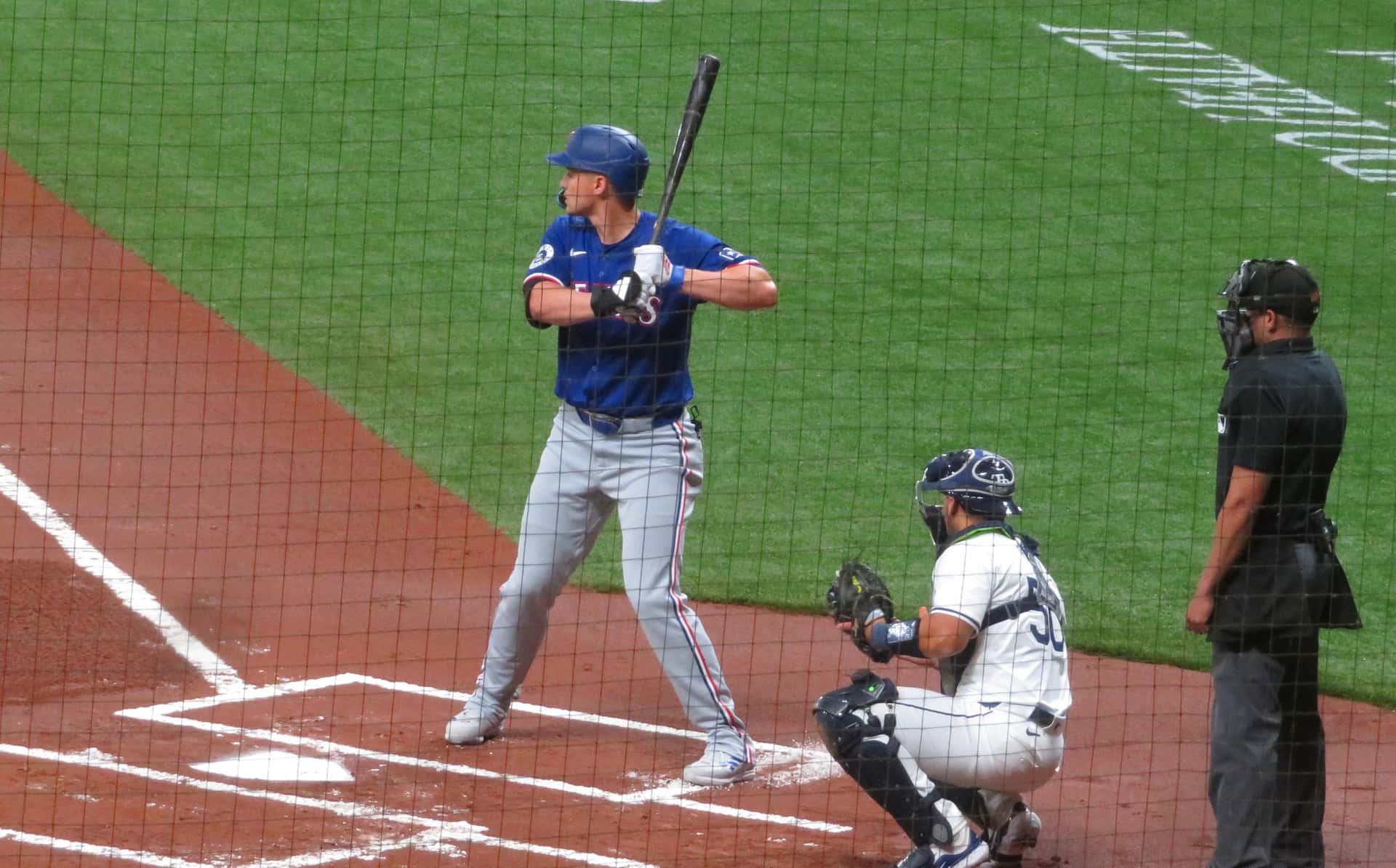
The Tampa Bay Rays have turned the early months of the 2026 season into a statement, surging to the top of the American League East on the strength of one of the hottest stretches in baseball. The Rays became the first American League team to reach 30 wins this season, a marker of just how thoroughly they have dominated, winning 18 of 22 games during one torrid run that vaulted them to the front of one of the sport's most competitive divisions.
For a franchise long known for outperforming its modest payroll, the start is a familiar kind of success delivered in an unfamiliar fashion: not as a scrappy overachiever clawing for a wild card, but as a front-runner setting the pace. The combination of timely hitting, contributions up and down the lineup and a young core hitting its stride has Tampa Bay positioned as an early-season power.
The streak that defined the start
The Rays' surge was built on sustained excellence rather than a single hot week. Winning 18 of 22 games is the kind of run that separates contenders from pretenders, and it carried Tampa Bay to the top of the division and to the distinction of being the first AL club to 30 victories. Reaching that milestone ahead of the rest of the league reflects both the quality and the consistency of the team's play.
A recent home series against the in-state rival Miami Marlins captured the texture of the Rays' season. Tampa Bay took two of three at home, with the run punctuated by strong individual performances even as the Marlins managed to snap an 11-game home winning streak in the middle game. The Rays bookended that series with wins, including a finale in which young infielder Junior Caminero and veteran Yandy Diaz homered to power a 6-3 victory.
That ability to bounce back from a loss and close out a series is characteristic of teams playing with confidence. The Rays absorbed the end of a long home winning streak and immediately responded, the mark of a club that does not let a single defeat derail its momentum. The 18-of-22 stretch was full of such resilience.
A balanced and emerging roster
The Rays' success has been a collective effort rather than the product of one or two stars. Contributions have come from across the roster, from established hitters like Diaz to rising young talents like Caminero, whose power has been a feature of the team's offense. That balance makes the lineup difficult to navigate, since opposing pitchers cannot simply focus on neutralizing a single threat.
The blend of veteran steadiness and youthful upside has long been a hallmark of the Rays' approach. The organization has built a reputation for developing and deploying young players effectively while surrounding them with complementary veterans, and the 2026 team reflects that formula. The result is a roster that produces runs through depth and situational hitting rather than relying on a handful of stars.
That depth matters over the long grind of a baseball season. Teams that depend on a few players are vulnerable to injuries and slumps, while clubs with contributions throughout the lineup can absorb such setbacks. The Rays' balanced production gives them a margin for the inevitable bumps of a 162-game schedule.
The Florida context
The Rays' hot start carries particular significance for the Tampa Bay region and for baseball in Florida. The franchise has navigated persistent questions about its stadium situation and attendance, and on-field success is the most powerful argument a team can make for its place in the market. A division-leading club playing exciting baseball is exactly the kind of product that draws fans and energizes a region.
Florida is home to two Major League franchises, the Rays and the Marlins, and the in-state rivalry between them is a recurring storyline. The recent series at Tropicana Field, in which the Rays took two of three, added a chapter to that rivalry and highlighted the contrast in the two clubs' early-season fortunes, with Tampa Bay surging and Miami fighting to keep pace.
The state's deep baseball roots, from spring training to a strong amateur and collegiate scene, give the sport a significant following in Florida. A winning Rays team strengthens that baseball culture and gives fans in the Tampa Bay area a compelling reason to follow the season closely as summer approaches and the standings begin to take shape.
What it means for the season
A fast start does not guarantee anything in baseball, where the season is long and division races often tighten over the summer. But seizing the AL East lead and reaching 30 wins first provides the Rays with a cushion and, just as important, the belief that comes from beating quality competition. Early success can set the tone for a season and ease the pressure of the months ahead.
The AL East is among the most demanding divisions in the sport, and holding the top spot requires sustained excellence against strong rivals. The Rays will need to maintain their balanced production and weather the injuries and slumps that befall every team. Their early margin gives them some breathing room, but the division's depth means no lead is safe for long.
The trade deadline and the second half loom as the periods that will test the Rays' staying power. Teams that start hot must decide how aggressively to build on their position, and the front office's choices will shape whether the early surge translates into a deep playoff run. For now, the Rays have established themselves as a team to watch.
The Rays' formula for success
The Rays' hot start is the latest chapter in a longer story of a franchise that has consistently competed despite operating with one of the smaller payrolls in Major League Baseball. The organization has built a reputation for finding value where others do not, developing talent through its farm system, identifying undervalued players and deploying them in creative ways. That approach has allowed Tampa Bay to remain a perennial contender even as it spends a fraction of what its wealthiest division rivals do.
Central to the formula is player development. The Rays have a track record of cultivating young talent and integrating it into the major league roster, a pipeline that produces contributors like the emerging players powering the 2026 offense. Rather than relying on expensive free agents, the organization develops its own players and surrounds them with complementary veterans, a sustainable model in a market that cannot match the spending of larger franchises.
Analytical innovation has also been a hallmark of the Rays' approach. The organization has been at the forefront of using data to inform decisions on everything from defensive positioning to pitching usage to lineup construction. That willingness to embrace unconventional strategies has helped the team extract maximum value from its roster, a necessity given its financial constraints and a key reason for its sustained competitiveness.
The 2026 start suggests the formula is working as well as ever. A balanced lineup producing runs through depth, a pipeline supplying young talent and an organization adept at maximizing its resources have combined to put the Rays atop the division. The challenge, as always for a small-market team, will be sustaining that success over a full season and into October against rivals with deeper pockets.
The early success also raises expectations and changes the dynamics around the team. A club that starts as a presumed contender for a wild card carries different pressure than one leading its division outright, and the Rays now occupy the latter position. Managing those expectations over a long season, while continuing to play the disciplined, opportunistic baseball that produced the hot start, is part of the challenge that comes with sitting atop a demanding division.
For the players, the start offers a chance to establish themselves and to build the kind of confidence that can carry a team through the inevitable rough patches. Young contributors who have powered the offense are demonstrating that they can perform against quality competition, an important step in their development and in the team's belief in itself. The blend of that emerging confidence with veteran steadiness is the foundation on which the Rays hope to build a sustained run.
The division race itself promises to be a season-long story. The American League East is consistently among the strongest divisions in baseball, and rivals will not concede the top spot easily. The Rays' ability to maintain their lead will be tested repeatedly through head-to-head matchups with the contenders chasing them, making each series against a division rival a measure of where the team stands.
The trade deadline will be a particularly important inflection point for a team off to such a strong start. A front office known for shrewd, value-driven decisions will have to weigh how aggressively to add to a roster that has already established itself as a contender, balancing the desire to capitalize on a promising season against the organization's long-standing emphasis on sustainable roster building. How the Rays approach that decision will reveal much about their confidence in the season ahead.
What's next
The Rays will look to sustain their momentum as the schedule continues and the division race develops. Maintaining the balanced offense and consistent play that fueled the 18-of-22 stretch will be the challenge, as will managing the inevitable adversity of a long season. The early returns suggest a team capable of contending deep into the year.
For fans in the Tampa Bay region, the hot start has turned the early season into appointment viewing and reestablished the Rays as a genuine contender. Whether the franchise can carry its torrid opening through the summer and into the postseason is the question that will define its 2026 campaign. The foundation, built on depth, resilience and a rising young core, is firmly in place.
Spotted an issue with this article?
Have something to say about this story?
Write us a letterComments
No comments yet. Be the first to weigh in.
Related Coverage
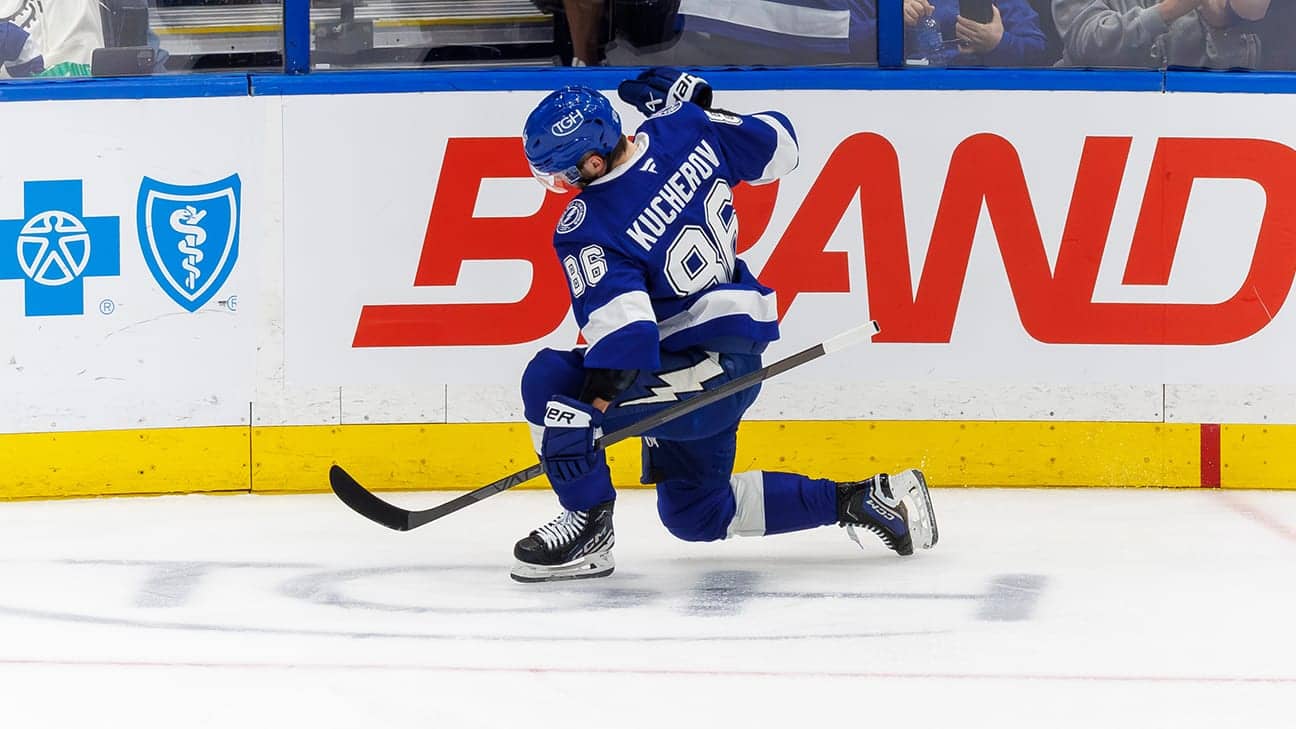
Nikita Kucherov Ties Steven Stamkos' Lightning Points Record as Tampa Bay Routs Golden Knights 6-2
1h ago

Florida Bar Places IT Employee on Leave Over Racist, Homophobic Messages Sent to Miami's Damon Wilson II
3h ago

C.J. Hicks' Record 96-Yard Fumble Return Sparks USF's 29-2 Homecoming Win Over Kent State
5h ago
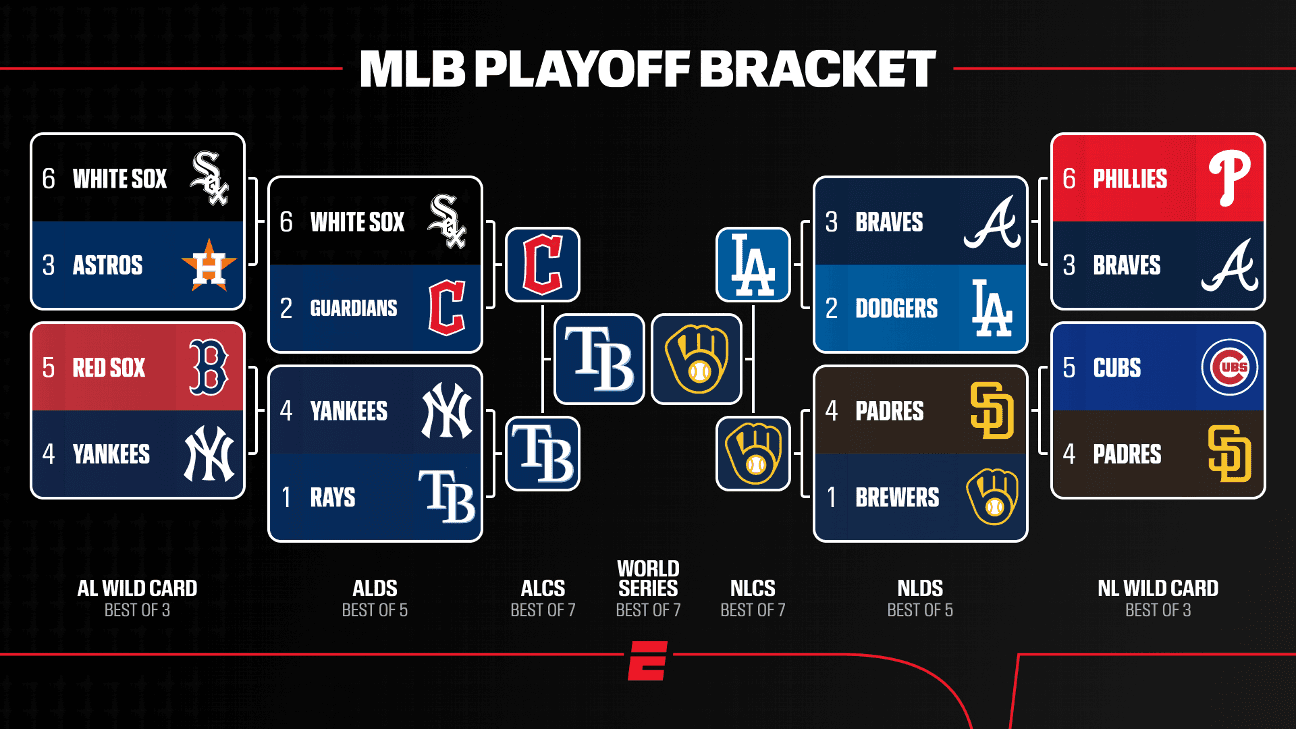
Rays vs. Brewers World Series Preview: Schedule, Tickets and a Guaranteed First-Time Champion
22h ago