Treasury mails $500 ACA 'refund' checks, with nearly 128,000 Floridians in line for payments
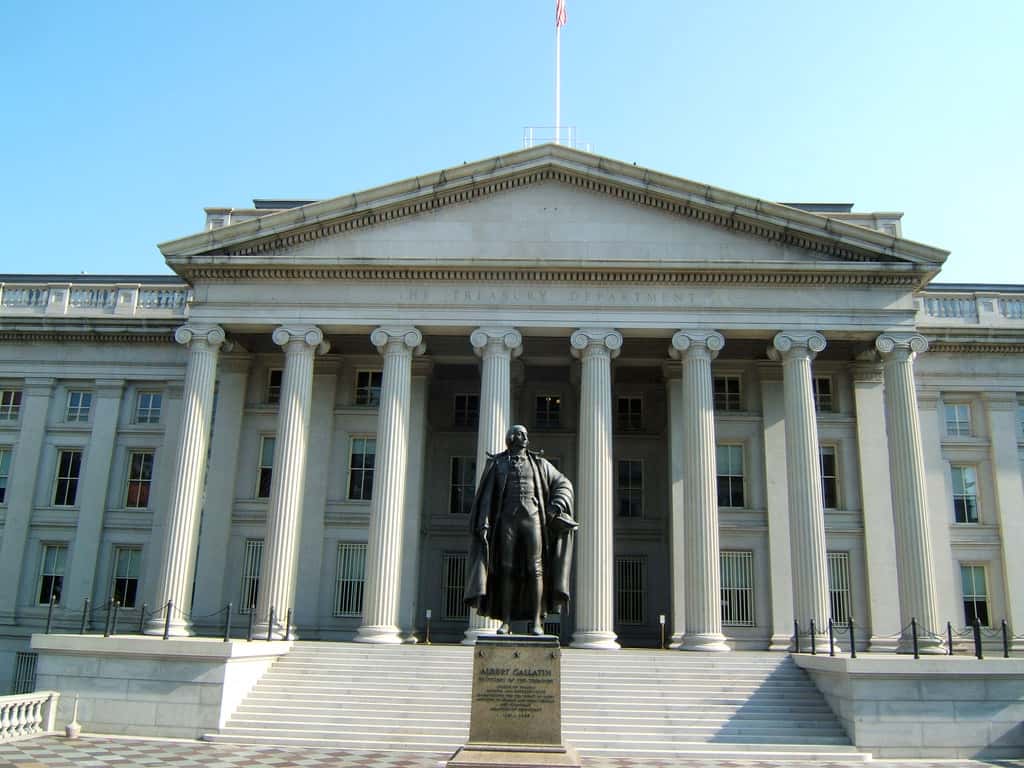
The U.S. Treasury Department has begun sending $500 checks to more than 950,000 people who bought health insurance through HealthCare.gov without federal premium subsidies, and Florida is expected to be one of the biggest beneficiaries. About 127,900 Floridians are slated to receive payments, second only to Texas, according to recipient counts released by the Trump administration and reported by Fortune and Newsweek.
The payments, which the White House calls the Working Families Obamacare Refunds, began going out Sept. 30, according to news reports, and are accompanied by a letter signed by President Donald Trump. They arrive about a month before the Nov. 1 start of open enrollment for 2027 marketplace coverage, in a state that has the largest Affordable Care Act marketplace in the country and lost hundreds of thousands of enrollees this year after enhanced federal subsidies expired.
Who qualifies
According to a White House fact sheet dated Sept. 10, the refunds go to people in the 30 states that use the federal exchange who did not receive premium assistance under the Affordable Care Act and paid the full cost of their premiums. Florida is one of those states.
Most recipients have incomes above 400% of the federal poverty level, the point at which people lost eligibility for premium tax credits once the pandemic-era enhanced subsidies lapsed at the end of 2025. Some people with incomes between 100% and 400% of the poverty level who did not receive subsidies will also get checks, according to news reports.
People who received premium tax credits in 2026 are not eligible. That leaves out most of Florida's marketplace customers: the 127,900 Florida recipients are a small fraction of the roughly 3.85 million Floridians with marketplace coverage this year.
There is no application, claim form or deadline. The administration says it has already identified eligible recipients from marketplace records, and payments are being issued automatically by paper check or direct deposit. Households with more than one eligible enrollee may receive more than one $500 payment.
Florida and Texas top the list
The administration's state-by-state figures show the largest numbers of recipients in the two biggest federal-exchange states.
| State | Recipients | Approximate total |
|---|---|---|
| Texas | 139,000 | $69.5 million |
| Florida | 127,900 | $63.95 million |
| All 30 states | More than 950,000 | At least $475 million |
The other states included are Alabama, Alaska, Arizona, Arkansas, Delaware, Hawaii, Indiana, Iowa, Kansas, Louisiana, Michigan, Mississippi, Missouri, Montana, Nebraska, New Hampshire, North Carolina, North Dakota, Ohio, Oklahoma, Oregon, South Carolina, South Dakota, Tennessee, Utah, West Virginia, Wisconsin and Wyoming. States that run their own exchanges, such as California and New York, are not part of the program.
Where the money comes from
The White House says the money comes from an accumulated surplus of marketplace user fees, the charge insurers pay the federal government to sell plans on HealthCare.gov. Insurers build those fees into premiums, so the administration argues that people who paid full price effectively overpaid. The fact sheet describes the surplus as fees collected under the Biden administration that exceeded what was needed to run the exchange.
The user fee for the 2026 plan year was set at 2.5% of premiums, a rate finalized by the Biden administration, which projected that higher fees would be needed to offset an expected drop in enrollment when the enhanced subsidies expired. The White House has described the refund pool as about $500 million.
When Trump announced the program on Sept. 10, the White House said nearly 1 million Americans would receive checks and described the total as hundreds of millions of dollars in overcharges. Trump said the government would pay the money directly to enrollees, casting the refunds as a loss for large insurance companies and a win for consumers.
In his letter to recipients, Trump says the previous administration "overcharged" enrollees to fund HealthCare.gov and that he is returning the money.
Supporters and critics
The White House has framed the refunds as returning money directly to families rather than to insurance companies. Critics have questioned that characterization. MIT economist Jonathan Gruber, who helped design the health law, told Newsweek in September that the administration's description was "an effort to score political points," noting that any organization that provides insurance has administrative overhead. Other health policy experts have also disputed calling the fees an overcharge.
The checks are landing five weeks before the Nov. 3 midterm elections, a timing that several outlets have noted.
A shrinking Florida marketplace
For years Florida has led the nation in Affordable Care Act sign-ups, driven by a large population of self-employed and gig workers, low rates of employer coverage and the state's decision not to expand Medicaid. That made Florida especially exposed when Congress let the enhanced subsidies expire at the end of 2025.
Effectuated marketplace enrollment in Florida fell about 10% this year, from roughly 4.3 million to 3.85 million, a loss of about 443,000 people and the largest numerical drop of any state, according to federal enrollment data reported by Axios Tampa Bay and The Conversation.
Prices may climb again in 2027. Florida marketplace insurers proposed 2027 rate changes ranging from about 3.9% to 39.1%, according to published summaries of the state's rate filings. The Florida Office of Insurance Regulation has not finalized those rates, which will appear on HealthCare.gov when open enrollment begins.
Watch for scams
Consumer advocates are warning that the publicity around the checks creates an opening for fraud. Because no application is required, anyone who calls, texts or emails asking for a fee, a HealthCare.gov password, a Social Security number or bank login information to release a refund is not legitimate. Recipients who want to confirm a paper check is genuine can use the Treasury Check Verification System on the Treasury's website.
What's next
Checks and direct deposits are expected to continue arriving over the coming weeks. Open enrollment for 2027 marketplace coverage on HealthCare.gov runs from Nov. 1, 2026, to Jan. 15, 2027. Floridians who sign up by Dec. 15 will have coverage starting Jan. 1; those who enroll between Dec. 16 and Jan. 15 will see coverage begin Feb. 1.
Enrollees who receive a refund will still need to shop for 2027 coverage, and anyone whose income or household has changed should update their application, since eligibility for premium tax credits is recalculated each year.
Spotted an issue with this article?
Have something to say about this story?
Write a letter to the editorComments
No comments yet. Be the first to weigh in.
Related Coverage

Rep. Salazar's immigration break with Trump reshapes FL-27 race a month before Election Day
54m ago
Florida loses 51 Medicare Advantage plans for 2027, the most of any state, as open enrollment nears
2h ago

FAA draft review finds no significant impact from Blue Origin's plan for 50 New Glenn launches a year at Cape Canaveral
4h ago

Coast Guard reveals interdiction of Cuba-bound fuel ship Grace and orders six more C-130J patrol planes
6h ago