Trump administration scraps required pay raises for Head Start teachers, affecting programs serving nearly 40,000 Florida children
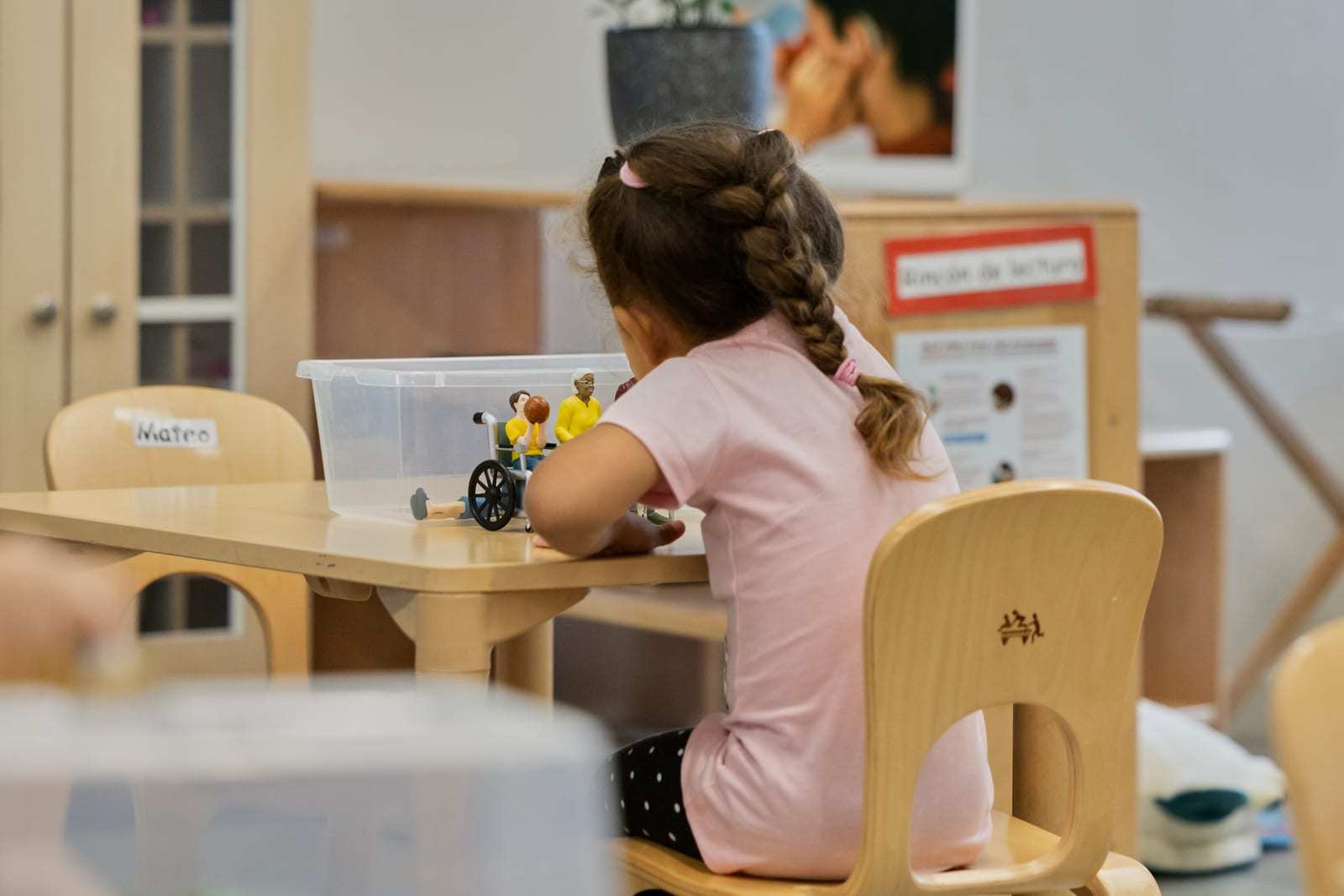
The Trump administration on Friday canceled a Biden-era requirement that Head Start programs gradually raise teacher pay to match local public school teachers, a change that affects the classrooms serving tens of thousands of low-income children across Florida. The repeal takes effect in January.
The U.S. Department of Health and Human Services said the move would free money so programs can serve more children with the same federal funding. Early childhood advocates countered that scrapping the raises will make it even harder to hire and keep teachers, a problem that has already forced some programs nationwide to close classrooms.
What the administration changed
The rule being repealed was finalized in 2024 under President Joe Biden. It required large Head Start programs to phase in pay increases so teachers would eventually earn as much as public preschool teachers in their communities, and it called for expanded employee benefits. The pay and benefit requirements were estimated to cost about $2.1 billion a year by 2031, The Associated Press reported.
Alex J. Adams, the HHS assistant secretary who oversees Head Start, said the administration is working to ensure that the promise of Head Start "reaches as many children as possible" with the money Congress has appropriated. The administration has argued more broadly that programs could enroll more children if they had more flexibility over how they spend their grants.
What Florida's Head Start system looks like
Head Start, created in the 1960s as an antipoverty program, provides free early education, health screenings and family support services to children from low-income households, as well as children who are homeless, in foster care or have disabilities. Early Head Start serves infants, toddlers and pregnant women. Nationally, the program serves more than 700,000 preschoolers a year.
In Florida, Head Start and Early Head Start are funded for 39,802 slots across 128 programs, according to the 2025-26 strategic plan of the Florida Head Start State Collaboration Office, which coordinates the federal program with state agencies. The same plan estimates that about 198,000 Florida children under age 5 live in poverty, meaning the program reaches only a fraction of eligible families. A state needs assessment counted roughly 31,000 children in Head Start preschool and about 14,000 in Early Head Start during the 2023-24 program year.
Programs operate across the state through school districts, county governments and nonprofit agencies, and they work alongside Florida's Voluntary Prekindergarten program, the state-funded program for 4-year-olds.
The pay gap the rule was meant to close
A majority of Head Start teachers hold bachelor's degrees, yet their pay lags far behind that of public school teachers. According to 2026 program data cited by the AP, Head Start teachers with master's degrees earned less than $60,000 a year on average nationally, and those with bachelor's degrees earned less than $50,000. Public school teachers average about $75,000 a year, according to the National Education Association.
The gap has real consequences for staffing. More than 20% of Head Start teachers left their jobs in 2022, some for higher-paying public school positions and others for work in retail or food service.
That competition is especially sharp in Florida, where the state minimum wage rose to $15 an hour on Sept. 30 under a 2020 constitutional amendment. A full-time worker at that rate earns about $31,200 a year before taxes, narrowing the difference between entry-level work in retail or restaurants and a lead teaching job in a preschool classroom. Florida Head Start leaders have warned in state planning documents that the minimum wage increase would compress pay differences for early childhood staff.
What critics are saying
The National Association for the Education of Young Children said the decision asks Head Start educators to keep "doing more for less," and argued that a funded slot without a qualified teacher serves no one. Advocates say programs that cannot fill teaching positions often cannot enroll all the children they are funded to serve, which could undercut the administration's goal of reaching more families.
Congressional Democrats condemned the change. In June, they sent the administration a letter urging it to keep the pay requirements in place. Democrats won control of both chambers of Congress in the Nov. 3 midterm elections and take over in January, the same month the repeal takes effect, which could set up a fight over Head Start funding and rules in the new session.
Part of a broader overhaul
The pay decision is one piece of a larger effort to reshape Head Start. A White House budget draft last year proposed eliminating the program entirely, though it has long enjoyed bipartisan support in Congress. In August, the administration proposed scrapping many of the program's federal performance standards, the regulations behind services such as medical screenings and family supports.
That proposal would also remove federal limits on class sizes and student-to-teacher ratios and instead have programs follow state child care licensing rules, which the AP noted tend to be looser. Public comments on the proposed standards closed in October, and the existing standards remain in place until a final rule is published. For Florida providers, that change would mean following the state's own licensing standards for ratios and group sizes instead of the federal ones.
What it means for Florida families
For parents, nothing changes immediately. Head Start programs in Florida will continue operating under their current grants, and the repeal does not cut funding. But local providers that had been planning raises to meet the federal timeline are no longer required to do so, and each grantee will now decide how to balance teacher pay against enrollment and other costs within a fixed budget.
Supporters of the repeal say that flexibility lets programs open more slots in a state where the number of children in poverty far exceeds the number of funded seats. Opponents say low pay will keep classrooms empty no matter how many slots are funded, because programs cannot open a classroom without a teacher.
What's next
The repeal takes effect in January. The administration is expected to finalize its broader rewrite of Head Start's performance standards in the coming months, and the incoming Democratic majorities in Congress will have a say over the program's budget in the next round of appropriations. Florida families with questions about enrollment can contact their local Head Start grantee or the Florida Head Start Association.
Spotted an issue with this article?
Have something to say about this story?
Write us a letterComments
No comments yet. Be the first to weigh in.
Related Coverage

ULA Delays Vulcan Launch of 40 Amazon Leo Satellites at Cape Canaveral After Power Interruption
4m ago

Supreme Court will decide whether Trump can ban asylum at the southern border, a case watched closely in Florida
1h ago

Student Loan Collections Loom for 9 Million in Default, Including Hundreds of Thousands of Floridians
2h ago
Rubio acknowledges 'people are struggling' economically after GOP midterm losses as Florida Republicans hold on narrowly
2h ago