Trump Presses Congress for $50 Billion FAA Overhaul After Ground Stop as Florida Airports Brace for Thanksgiving Rush
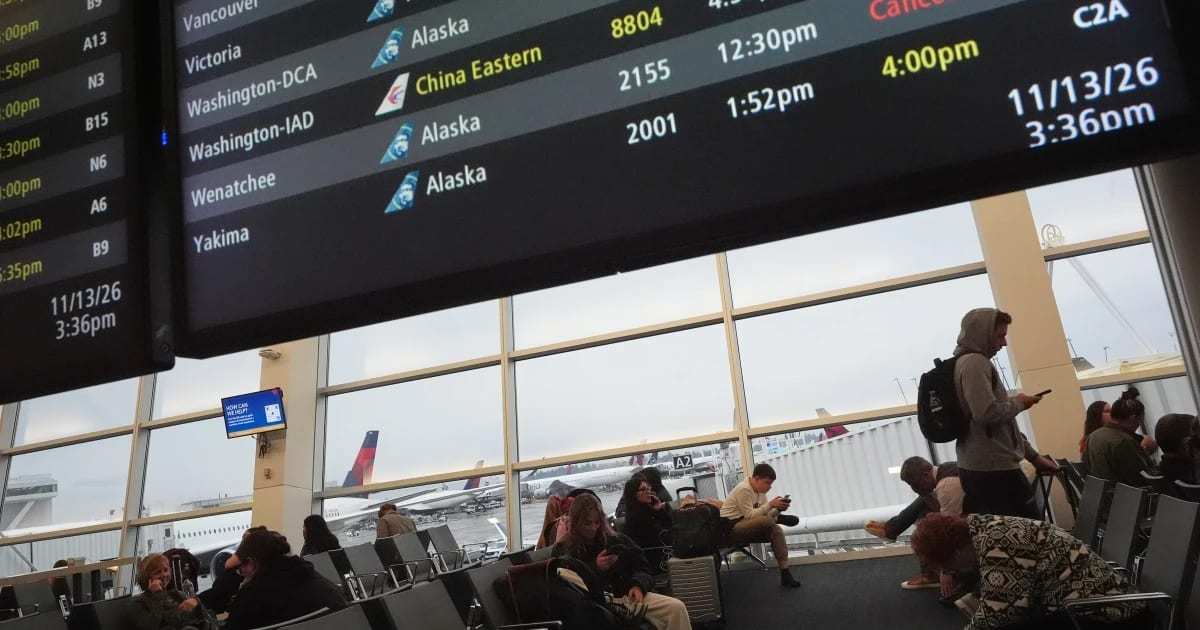
President Donald Trump is pressing Congress to approve roughly $50 billion to overhaul the nation's air traffic control system and airports, telling reporters at the White House that "we have to get the money," a week after a nationwide FAA ground stop stranded travelers at Orlando, Miami, Tampa, Fort Lauderdale and every other U.S. airport. For Florida, home to three of AAA's top Thanksgiving destinations this year and some of the most crowded airspace in the country, the fight over the request will shape how reliably the system handles the state's millions of holiday visitors and residents in the years ahead. None of the proposed fixes will be in place for this year's holiday rush.
What Trump asked for
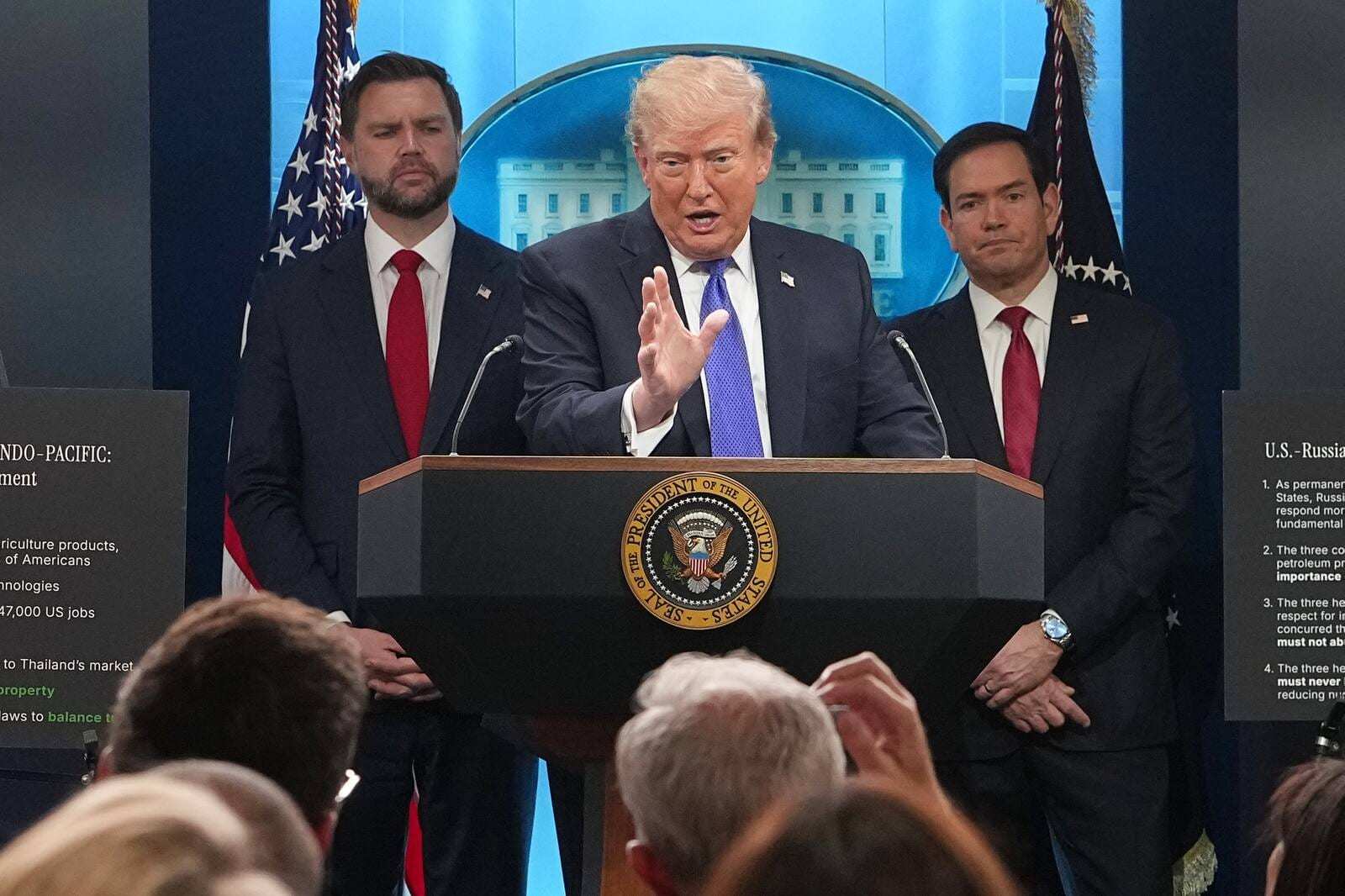
At a White House news conference this week, Trump defended the Federal Aviation Administration's safety record and blamed the November 13 ground stop on the agency's efforts to modernize its systems, WESH reported. He said the new equipment overwhelmed parts of the FAA's network and disrupted communications at air traffic control facilities nationwide. "If it was unsafe, that would be a problem. It's not. It's totally safe," Trump said.
Asked how to prevent a repeat, he pointed to Congress. Towers need to be repaired or replaced, he said, and "we have to get the money" for new air traffic control.
The formal request came in a November 17 letter to congressional appropriators signed by Transportation Secretary Sean Duffy, FAA Administrator Bryan Bedford and Office of Management and Budget Director Russ Vought, which put the figure at $50.1 billion, according to national reporting on the letter. The administration says more than $10 billion would go to upgrading air traffic control technology, with the rest paying for airports, terminals and new air traffic control facilities. Some reports describe about $10 billion to consolidate the country's 22 aging Air Route Traffic Control Centers, the regional facilities that handle high-altitude traffic. Two of those centers are in Florida: the Jacksonville and Miami centers that manage high-altitude traffic over the state.
A chilly reception on Capitol Hill
Duffy spent part of the week on Capitol Hill making the case, but the request drew skepticism from Senate Republicans when he and Bedford presented it at the weekly GOP lunch on November 17, according to Axios and other outlets. Senate Majority Leader John Thune said lawmakers would see what is achievable. Sen. Jerry Moran of Kansas said the figure appeared to come out of the blue. Sen. John Kennedy of Louisiana faulted Duffy for first floating $30 billion and then raising the ask. Sen. Ted Cruz of Texas raised the idea of using budget reconciliation for more money but said the administration first needs to show it can spend what Congress has already provided.
That earlier money is a central point in the debate. Congress approved $12.5 billion for air traffic control modernization in 2025. A PolitiFact review published by WESH found that only $4.75 billion of that was earmarked for telecommunications infrastructure and system upgrades, with the rest going to radar replacements, runway safety and a new air traffic control center. Duffy has said the full $12.5 billion will be spent and deployed by the end of 2028. Before the ground stop, a Republican bill called the Modern Skies Act, introduced in September by Sen. Eric Schmitt of Missouri and Rep. Tracey Mann of Kansas, proposed about $30 billion more for the next phase of the work.
No Florida member of Congress had issued a public position on the $50.1 billion request in the reporting reviewed for this story.
Why the system failed
The November 13 ground stop lasted about four hours and grounded flights at every U.S. airport. It was only the second nationwide stop since the September 11, 2001, attacks; the previous one, in January 2023, was caused by a failure in the system that issues notices to pilots. By Friday night, FlightAware counted more than 7,000 cancellations and 8,000 delays nationwide, WUSF reported.
The FAA says the failure began with work to install a router at a remote facility in Arkansas, part of a project to replace old copper wiring with fiber-optic lines, NPR reported in a story carried by WLRN. The agency has not determined the exact cause, and it has paused installation of the equipment while it investigates. Homeland Security Secretary Markwayne Mullin said there was no evidence of a cyberattack.
The deeper problem, according to former FAA officials interviewed by NPR, is that air traffic control still relies on telecommunications networks dating to the 1980s that are fragile, costly to maintain and hard to connect to modern equipment. Bedford called it a "patchwork, archaic federal telephone network" in a speech this week. Michael Huerta, who led the FAA under President Barack Obama, said, "At its core, it's a money problem."
Others warn about speed. A September report from the Government Accountability Office found the first phase of modernization includes more than 11,000 distinct projects with no integrated master plan, and GAO's Kevin Walsh described the administration's accelerated approach as "buying speed at the risk of cost uncertainty." Union and former FAA officials also questioned why the router work was scheduled on a busy Friday afternoon.
What it means for Florida airports
Florida felt the ground stop immediately. Orlando International's terminals filled with stranded passengers, Palm Beach International reported multiple delays and cancellations, and Jacksonville International saw more than a dozen flights affected. The Florida Press covered the recovery at the state's airports on November 14, including baggage backups at Orlando.
The timing of the funding fight lands squarely on the busiest stretch of the year for Florida airports. AAA projects 81.5 million Americans will travel at least 50 miles from home between November 24 and November 30, a 0.1% dip from last year, with about 5.96 million taking domestic flights. Orlando, Fort Lauderdale and Miami rank first, second and third on AAA's list of top domestic Thanksgiving destinations based on its bookings.
WESH reported that none of the long-term improvements will be finished before Thanksgiving. Travelers flying through MCO, MIA, TPA and FLL next week will be using the same system that failed on November 13, with the FAA's router installation work on hold.
Florida's crowded skies
Florida's airspace carries pressures most states do not. Heavy tourist traffic converges on a peninsula that also hosts the nation's busiest spaceport at Cape Canaveral, and each launch requires the FAA to clear sections of airspace. The FAA has said it safely shrank the closure zones for most Florida launches, concentrating them east and south of the pads, which reduced delays and reroutes at Florida airports. Federal environmental reviews have warned that SpaceX's much larger Starship, planned to fly from Florida, could cause ground stops and delays of up to two hours when it does.
Those launch windows are managed through the same air traffic control centers and communications networks the administration wants to replace. Consolidating or rebuilding the high-altitude centers, including the ones serving Jacksonville and Miami airspace, would directly affect how Florida flights are routed and how quickly the system recovers when something goes wrong.
The partisan blame game
Trump has blamed the Biden administration and former Transportation Secretary Pete Buttigieg for the system's condition, while Democrats say the problem arose after nearly two years of unified Republican control. PolitiFact found that audits and public records do not support claims that the Biden administration made the system worse, and that the modernization problems span both parties and more than two decades, with inspector general reports flagging schedule slips as far back as 2006.
Duffy has pointed to a 2023 Verizon contract signed under Biden to convert copper lines to fiber. The Trump FAA restructured that deal in August 2025, making AT&T the lead project manager. Officials told PBS the FAA has enough money to finish the copper-to-fiber transition, which is about 70% complete.
What's next
The request now sits with appropriators, and reporting suggests doubts about whether Congress can approve it before the end of the session given resistance from both parties. Lawmakers could fund a smaller package, phase the money over several years or pursue it through reconciliation, as Cruz suggested. The FAA's investigation into the router failure is ongoing, and its findings are likely to shape how much Congress is willing to spend and how fast.
For Florida travelers, the near-term advice is unchanged from any busy holiday: check flight status before leaving for the airport, arrive early, and build in extra time for connections through the state's busiest hubs.
Spotted an issue with this article?
Have something to say about this story?
Write us a letterComments
No comments yet. Be the first to weigh in.
Related Coverage
Rubio and Vance Flank Trump at White House Briefing as the President 'Auditions' Potential 2028 Successors
2h ago

Judge Approves Bayer's $7.25 Billion Roundup Cancer Settlement: What It Means for Florida Landscapers, Farmworkers and Homeowners
3h ago

10 More States Join FTC Lawsuit Accusing Dollar General of Overcharging, Bringing Total to 30 as Florida Shoppers' Complaints Anchor the Case
8h ago
Rick Scott and Ashley Moody Vote for Senate Permitting Bill Aimed at Data Center Costs as Florida Braces for an AI Power Surge
1d ago