10 More States Join FTC Lawsuit Accusing Dollar General of Overcharging, Bringing Total to 30 as Florida Shoppers' Complaints Anchor the Case
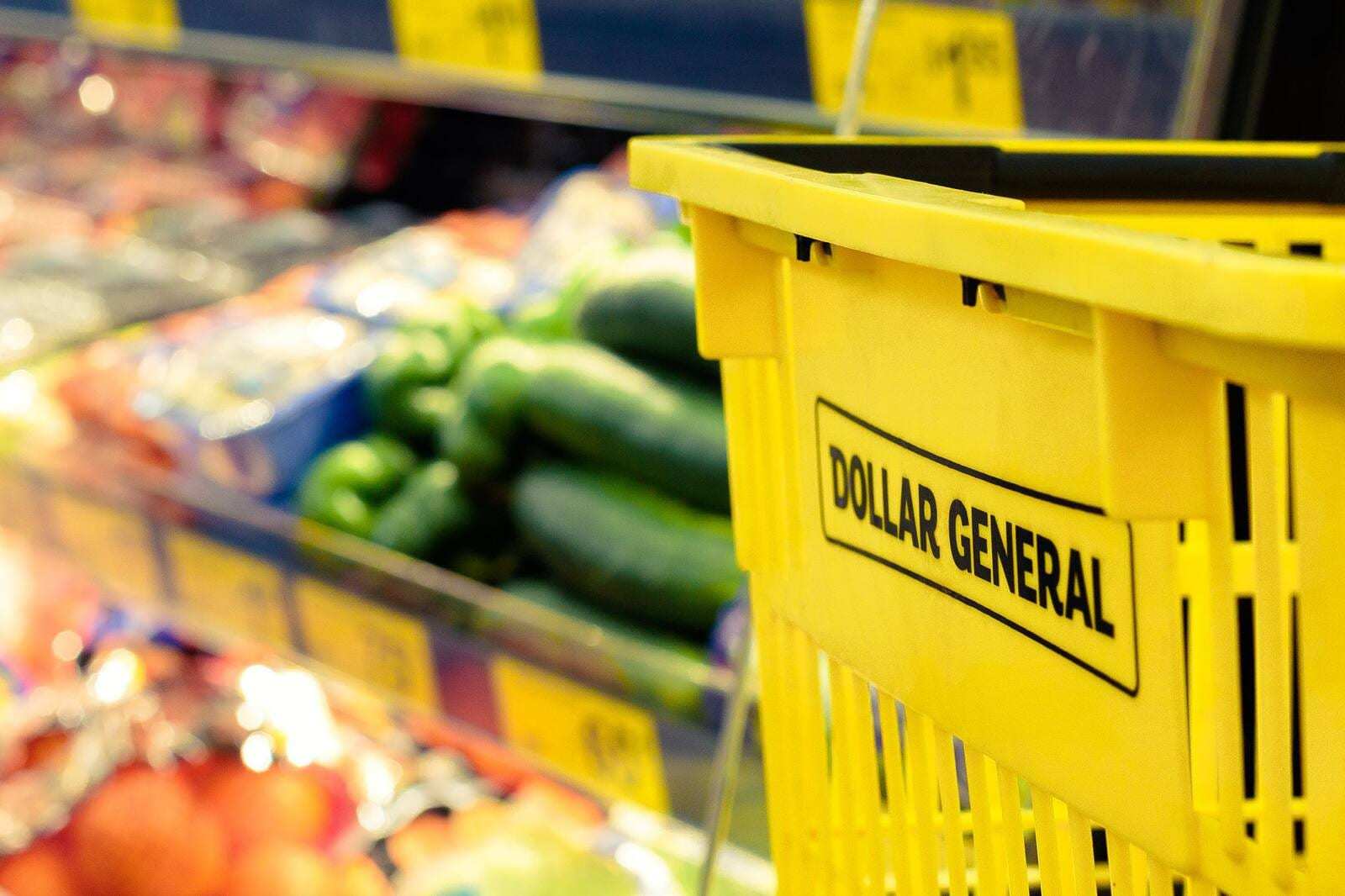
Ten more states have joined the Federal Trade Commission's lawsuit accusing Dollar General of charging shoppers more at the register than the prices posted on its shelves, bringing the number of state co-plaintiffs to 30. Florida, represented by Attorney General James Uthmeier, has been part of the case since it was filed in October, and the federal complaint cites a Florida shopper who was charged $2.50 at checkout for a bottle of baby shampoo marked $2.00 on the shelf. For the many Floridians who rely on the discount chain's small-town and neighborhood stores, the expanded case raises the stakes on a question that shows up on every receipt: whether the price on the tag is the price you actually pay.
What changed this week
The FTC filed an amended complaint in the U.S. District Court for the Middle District of Tennessee adding Delaware, Georgia, Kentucky, Maine, Minnesota, New Mexico, Oregon, Rhode Island, South Carolina and South Dakota as co-plaintiffs, according to News4JAX. The commission voted 2-0 to authorize its staff to file the amended complaint.
The 10 new states join the original 20 that sued alongside the FTC: Alabama, Arizona, Arkansas, California, Connecticut, Florida, Illinois, Iowa, Kansas, Louisiana, Michigan, Mississippi, Nebraska, New Jersey, North Carolina, Ohio, Oklahoma, Tennessee, Utah and Wisconsin. With Georgia now on board, both states that border Florida, Alabama and Georgia, are part of the case.
The amendment does not change Florida's role. The state remains one of the original co-plaintiffs, and the case is still in its early stages. No hearing date had been reported as of this week, and none of the allegations has been proven in court.
What the lawsuit alleges
The complaint, filed on October 26, 2026, in federal court in Tennessee, Dollar General's home state, accuses the company of routinely charging customers more at checkout than the prices shown on shelves, price tags and advertisements. Regulators say the company knew about the problem, failed to fix it and allowed it to continue across thousands of stores.
According to the complaint, Dollar General received at least 29,265 complaints categorized as failures to honor marked prices between January 1, 2023, and March 31, 2026. Court documents say shoppers lost millions of dollars, though they do not give a specific total.
The FTC and the states say the practices violate the FTC Act, the Gramm-Leach-Bliley Act and state consumer protection and weights and measures laws. They are seeking monetary relief, including restitution for affected customers, and a permanent court order barring deceptive pricing, according to national coverage of the filing.
The FTC has tied the pricing errors in part to staffing. In its account, thinly staffed stores do not have the time to keep shelf tags matched to register prices, and the agency cites internal communications it says show executives were aware of the problem, NBC Miami reported.
When the original complaint was filed, Christopher Mufarrige, director of the FTC's Bureau of Consumer Protection, said, "Dollar General has betrayed the trust of millions of American consumers."
The Florida complaints in the case
Two of the consumer complaints described in the federal filing come from Florida, according to NBC Miami's review of the complaint.
In November 2025, a Florida shopper was charged $2.50 for a bottle of Johnson & Johnson baby shampoo that was priced at $2.00 on the shelf. When the shopper pointed out the difference, the employee offered two choices: pay the higher price or skip the purchase.
In April 2025, another Florida customer reported that items were consistently ringing up higher at the register than on shelves or in online ads. He said he checked more than 15 stores in his area and found the same problem, and that employees told him they could not override prices at the point of sale.
Uthmeier announced Florida's participation in a video posted on X when the case was filed. The 50-cent shampoo difference is small on its own, but regulators argue that errors like it, repeated across thousands of stores and millions of transactions, add up for households that shop at dollar stores because every dollar counts.
Why it matters for Florida shoppers
Dollar General operates more than 21,000 stores nationwide, according to the FTC case coverage. Florida is one of its larger markets: industry tallies citing Statista put the state's count at about 1,060 stores in 2024. The company has not published a current Florida figure.
Many of those stores sit in rural counties and lower-income neighborhoods where a dollar store may be the closest place to buy groceries, cleaning supplies and baby products. That is the customer base the FTC describes as vulnerable in its complaint, and it is why consumer advocates say register overcharges hit harder there than at a big-box store.
Florida shoppers have also pressed the issue on their own. A separate private class action, Capps v. Dolgencorp LLC, was filed in 2025 in the U.S. District Court for the Northern District of Florida, alleging similar register overcharging at Florida stores. That case is distinct from the FTC action. Dollar General has also faced earlier overcharge actions from several state attorneys general and settled a $15 million class action, according to Courthouse News, and some states that previously settled with the company have joined the current lawsuit.
Dollar General's response
Dollar General disputes the allegations. In a statement posted online after the original filing, the company said, "Our goal is 100% accuracy between shelf and register prices in every store." It also said the lawsuit suggests the company "abandoned our mission and willfully disregarded the affordability needs of our customers," a characterization it called untrue. The company has said it will defend the case vigorously.
News4JAX's report on the amended complaint did not include a new statement from the company.
How Floridians can check their receipts
Florida's Department of Agriculture and Consumer Services is the state agency that polices pricing accuracy at the register. Inspectors in its Division of Consumer Services check price scanners and price look-up systems, along with gas pumps and scales, using a nationally established procedure for price verification, according to the department.
The department's guidance for shoppers is straightforward:
- Compare the shelf tag or advertised price with what appears on the register screen and on your receipt before leaving the store.
- If the price is wrong, ask store management to correct it on the spot.
- If management does not resolve the problem, call the department's consumer hotline at 1-800-HELP-FLA (435-7352), or 1-800-FL-AYUDA (352-9832) in Spanish.
- Complaints can also be filed online through FloridaConsumerHelp.com, the department's consumer portal.
Keeping receipts and taking a phone photo of the shelf tag can help document a discrepancy if you file a complaint.
What's next
The case will be decided in the Middle District of Tennessee, and Dollar General is expected to respond to the amended complaint. More states could still join; the FTC has now added co-plaintiffs once since the October filing. Any restitution would come only through a court judgment or a settlement, and there is no claims process for shoppers at this stage.
For now, the practical step for Floridians is the one regulators keep repeating: check the receipt before you walk out the door, and report the difference if the store will not fix it.
Spotted an issue with this article?
Have something to say about this story?
Write us a letterComments
No comments yet. Be the first to weigh in.
Related Coverage

Rick Scott and Ashley Moody Vote for Senate Permitting Bill Aimed at Data Center Costs as Florida Braces for an AI Power Surge
17h ago
Helicopter in fatal Biscayne Bay crash was turning extremely close to the water, NTSB preliminary report says
19h ago
Florida Bids for NASA's New U.S. Space Academy With UCF Interim Campus and 1,000-Acre Kennedy Space Center Site
21h ago
Ecuadorian Fishermen Sue Trump Administration Over March Drone Strike, the First Survivor Challenge to a Boat Campaign Run From Doral
22h ago