Judge Approves Bayer's $7.25 Billion Roundup Cancer Settlement: What It Means for Florida Landscapers, Farmworkers and Homeowners
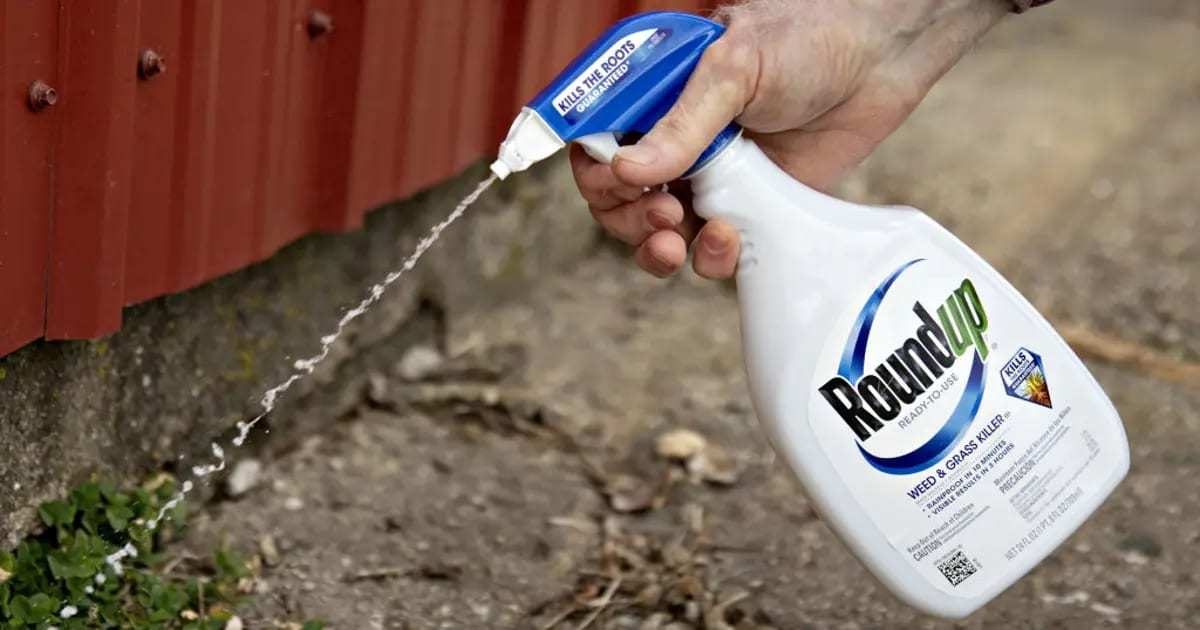
A Missouri judge on Friday approved Bayer's settlement of up to $7.25 billion to resolve current and future claims that its Roundup weedkiller causes non-Hodgkin lymphoma, a nationwide deal that reaches Floridians who were exposed to the herbicide before February, including landscapers, farmworkers, golf course crews and homeowners. The ruling by St. Louis Circuit Judge Timothy Boyer sets up payments of roughly $10,000 to $165,000 per person over as long as 21 years, and it comes eight months after the case expected to be Florida's first Roundup cancer trial settled in Broward County before a jury was seated.
What the judge approved
Boyer approved the class settlement in a written judgment, finding the average individual payouts "fair and adequate" and calling the overall agreement "among the largest in the history of mass tort personal-injury class action settlements," according to The Associated Press as reported by WESH and FOX 13.
Under the deal, Bayer will make annual payments into a special fund for up to 21 years, totaling as much as $7.25 billion. The approved settlement includes $600 million in attorneys' fees. It is separate from the $16 billion Bayer had already set aside for Roundup legal costs.
The settlement is nationwide. It covers Roundup users who are already sick and people who will be diagnosed with non-Hodgkin lymphoma in future years, as long as they were exposed to Roundup before the settlement was proposed in February 2026.
Bayer, which acquired Roundup maker Monsanto in 2018, denies that Roundup causes cancer. The judge noted that Bayer might have sought bankruptcy protection had the settlement been rejected. The decision can be appealed.
How much claimants could receive
Individual payments depend on how a person used the product, how old they were when diagnosed and how severe the illness is. The AP described the range this way:
| Claimant profile | Average payment |
|---|---|
| Agricultural, industrial or turf worker with lengthy exposure, aggressive form diagnosed before age 60 | About $165,000 |
| Diagnosed at age 78 or older | About $10,000 |
| Everyone else | Between those figures, based on exposure, age and severity |
The category with the highest payments, long-term agricultural, industrial and turf workers, describes a large share of Florida's outdoor workforce. Glyphosate, Roundup's active ingredient, is widely used to control weeds on farms, in commercial landscaping, along roadsides and on golf courses, all of which are major industries in Florida.
What Floridians need to know about deadlines
The window to opt out of the settlement has closed. Class members who wanted to keep the right to sue Bayer individually had to submit a written exclusion request by June 4, 2026, which was also the deadline to object, according to legal trade coverage of the settlement terms. Bayer has said opt-outs could be revoked until final approval. Anyone who did not opt out is bound by the settlement.
For people diagnosed in the future, the settlement terms reported by legal publications give class members diagnosed with non-Hodgkin lymphoma after February 17, 2026, six years from diagnosis to submit a claim package, and before the 16th annual payment date. People already diagnosed face a deadline tied to the date of final approval. The official settlement website, WeedkillerClass.com, is the place to confirm current deadlines and claim instructions now that the judge has ruled.
Floridians who believe they qualify should gather records of their diagnosis and of their Roundup use, such as employment history in landscaping or agriculture or purchase records for home use, before filing.
The Florida case that never reached a jury
Florida has not had a Roundup cancer verdict. The case expected to be the state's first trial, brought by Alexander Palacios, a landscaper diagnosed with non-Hodgkin lymphoma at age 34, settled on March 27, 2026, in Broward Circuit Court in Fort Lauderdale, WUSF's Health News Florida reported. Palacios sued Monsanto in 2024. Judge Carol-Lisa Phillips approved the settlement, whose terms were not released, and it is not known whether that deal is connected to the national class settlement.
Palacios's attorney, Daniel Di Matteo, said his client had no known risk factors other than years of Roundup exposure, according to WUSF. Earlier, a Florida state appeals court refused to let a plaintiff in a separate case pursue punitive damages against Monsanto, Law360 reported in 2025.
Florida lawmakers also considered, and did not pass, bills in 2024 and 2025 that would have shielded pesticide makers from failure-to-warn lawsuits over federally registered products. The 2025 version never reached a floor vote.
Why Bayer pushed for the deal
Bayer has faced about 200,000 Roundup-related claims nationally, according to WUSF, and juries elsewhere have returned large verdicts, including a Georgia award of about $2.1 billion in 2025.
The company's legal position strengthened in June, when the U.S. Supreme Court ruled in Monsanto v. Durnell that federal pesticide law preempts state-law claims that Monsanto should have put a cancer warning on Roundup's label. That ruling closed off one of the main legal theories used in state courts across the country.
Bayer CEO Bill Anderson called Friday's approval "a decisive milestone in the company's strategy to mitigate the risks of both pending and future Roundup litigation." Bill Dodero, Bayer's U.S. general counsel, said a recent Missouri verdict in the company's favor "should send a strong signal" that plaintiffs "will face significant challenges."
Divided views among cancer patients' lawyers
Lawyers for cancer patients are split. Christopher A. Seeger, court-appointed counsel for the class, said the order "delivers guaranteed compensation to Roundup cancer victims." Attorney Gerson Smoger, who opposed the deal, called it "the scariest, worst future settlement that's ever been contemplated."
Critics argue the payments are too small and the limits on future claims too broad, because people who have not yet been diagnosed are bound by terms set now. More than 100 class members and a dozen health care plans filed objections before the June deadline, according to legal trade coverage. Supporters say the deal guarantees money to people who might otherwise recover nothing, particularly after the Supreme Court's ruling.
What's next
Objectors can appeal Boyer's judgment, which could delay payments. If the approval stands, Bayer will begin its annual payments into the settlement fund, and claims will be processed according to the exposure, age and severity criteria. Floridians who were exposed to Roundup before February 2026 and have been diagnosed with non-Hodgkin lymphoma, or are diagnosed later, should check the settlement website for filing instructions and deadlines, and anyone unsure whether they opted out should confirm their status with the claims administrator.
Spotted an issue with this article?
Have something to say about this story?
Write us a letterComments
No comments yet. Be the first to weigh in.
Related Coverage

10 More States Join FTC Lawsuit Accusing Dollar General of Overcharging, Bringing Total to 30 as Florida Shoppers' Complaints Anchor the Case
4h ago
Rick Scott and Ashley Moody Vote for Senate Permitting Bill Aimed at Data Center Costs as Florida Braces for an AI Power Surge
21h ago

Helicopter in fatal Biscayne Bay crash was turning extremely close to the water, NTSB preliminary report says
1d ago
Florida Bids for NASA's New U.S. Space Academy With UCF Interim Campus and 1,000-Acre Kennedy Space Center Site
1d ago