Rick Scott and Ashley Moody Vote for Senate Permitting Bill Aimed at Data Center Costs as Florida Braces for an AI Power Surge
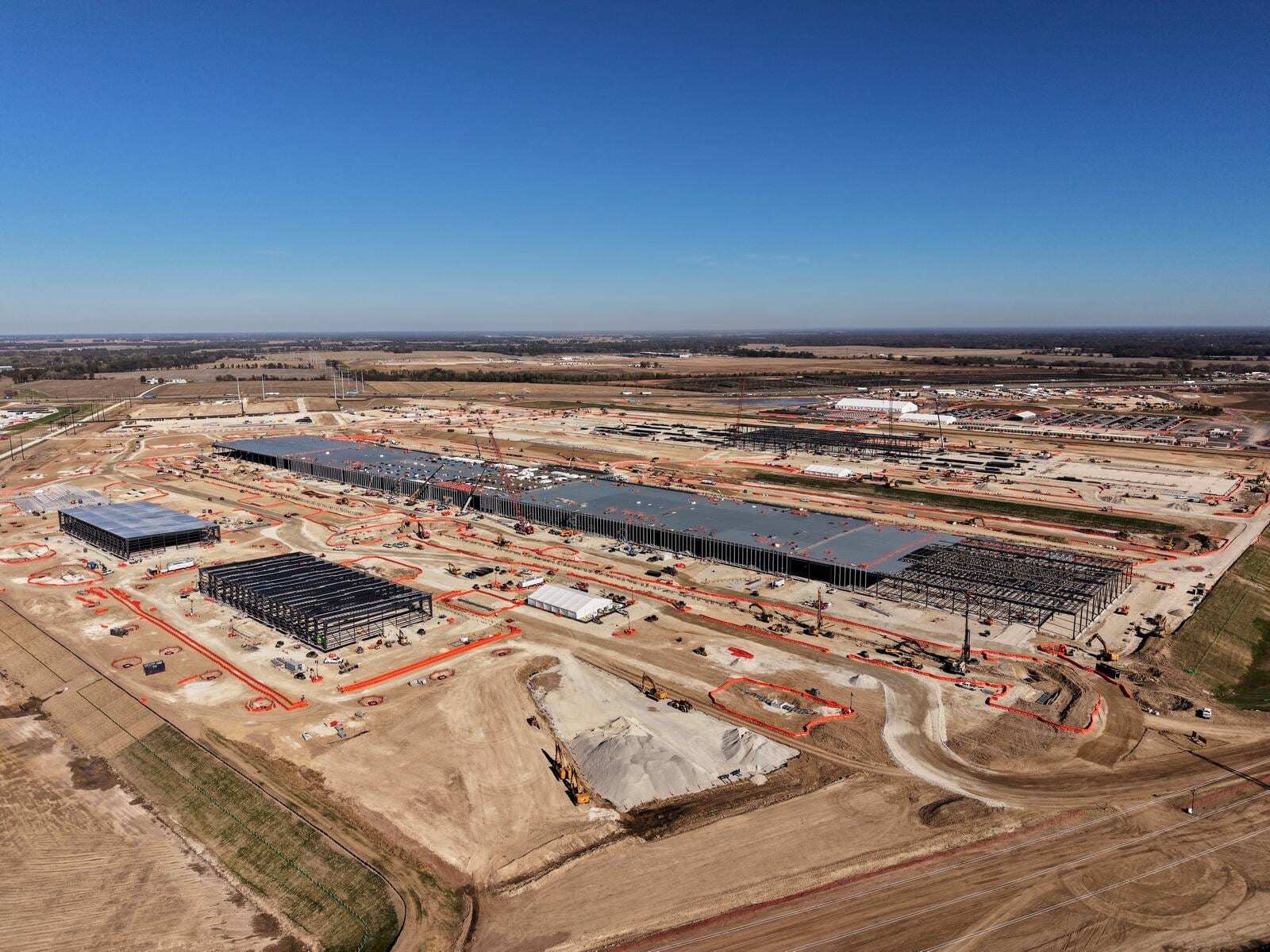
Florida's two U.S. senators, Republicans Rick Scott and Ashley Moody, both voted for a sweeping bipartisan energy permitting bill that the Senate passed 62-33 on Thursday, Nov. 19. The Bipartisan American Affordability and Jobs Act would speed federal approval of power plants, transmission lines, pipelines and data centers, and its backers say it would make data centers pay for the power they use. The bill now goes to the House. For Florida, where utilities are preparing for a wave of data center demand and a new state law already requires those customers to cover their own costs, the measure could shape how fast new power plants get built and who pays for them.
What the Senate passed
The bill was introduced Sept. 30 as S. 5653 by Sens. Shelley Moore Capito, R-W.Va., Mike Lee, R-Utah, Sheldon Whitehouse, D-R.I., and Martin Heinrich, D-N.M. The Senate adopted its text as a substitute amendment to another bill, H.R. 2347, and passed that measure on roll call vote 270. According to the official Senate tally, 62 senators voted yes, 33 voted no and five did not vote. Fifteen Democrats, including Minority Leader Chuck Schumer, voted yes, while two Republicans, Josh Hawley of Missouri and Mike Rounds of South Dakota, voted no, The Associated Press reported.
The bill's main provisions include:
- Faster environmental reviews. It overhauls the National Environmental Policy Act review process, which the AP said often takes five years or more for big energy projects.
- Limits on lawsuits. According to a Congressional Research Service summary, it sets a 150-day window to file most NEPA challenges and sends them directly to federal appeals courts.
- Data center costs. It codifies the Ratepayer Protection Act, which aims to keep the cost of power infrastructure for data centers from falling on households and small businesses.
- Water permits. It changes Clean Water Act reviews and adds certainty for general and nationwide permits.
Senate Majority Leader John Thune said the bill would cut through decades of red tape and save the average household hundreds of dollars a year, WUSF reported. Whitehouse said Americans would quickly begin getting relief on their energy bills if the House follows suit. President Donald Trump urged approval, calling the bill a "BIG WIN for U.S. ENERGY INDEPENDENCE and DOMINANCE" in a social media post.
The opposition
The Sierra Club and the National Wildlife Federation oppose the bill, citing its limits on judicial review and changes to NEPA, the Clean Water Act and the Endangered Species Act. Jen Duggan of the Environmental Integrity Project called it "a gift to some of the biggest polluters in America." Sen. Jeff Merkley, D-Ore., said it would open the gates to a flood of natural gas for data centers, and Sen. Maria Cantwell, D-Wash., said the bill was rushed. Tribal groups also oppose it, arguing it would weaken their ability to protect sacred sites.
Neither Scott nor Moody had issued a public statement on the vote as of Friday, based on a review of their Senate press pages and news coverage.
Florida's data center surge
The bill arrives as Florida's largest utility plans for a jump in demand from data centers. In July, NextEra Energy raised its forecast for large-load demand at Florida Power & Light to about 8 gigawatts by 2032, up from 6 gigawatts. Executives said FPL has about 21 gigawatts of large-load interest and is in advanced talks on about 12 gigawatts, some of which it could begin serving as early as 2028. NextEra executives have estimated each gigawatt could mean roughly $2 billion in capital spending.
That demand is not here yet. In January, FPL President Scott Bores said large-scale data centers had not quite made it to Florida but that it was only a matter of time. FPL's newest Ten-Year Site Plan projects its total peak demand rising about 25%, from 33,205 megawatts in 2026 to 41,657 megawatts in 2035, according to a regional planning council review of the plan.
Local resistance is part of the picture too. In July, Palm Beach County rejected plans for a data center that would have been served by FPL. NextEra said that project had not been part of its expected pipeline.
Florida's own rules for data centers
Florida has already moved on the cost question the federal bill addresses. The Legislature's data center law, SB 484, took effect July 1, 2026. It covers facilities with a peak load of 50 megawatts or more and requires each public utility to file a large-load tariff for review by the Florida Public Service Commission. The PSC must make sure each large customer pays its full cost of service, including connection, transmission and generation costs, without shifting them to other ratepayers. The law also lets local governments refuse data centers and sign nondisclosure agreements with tech companies for up to 12 months.
FPL's large-load tariffs, approved as part of its rate settlement in November 2025, took effect Jan. 1, 2026. They apply to new loads of 50 megawatts or more at a single site with a high, steady load factor, and they require customers to fund 100% of new generation built for them, sign 20-year contracts and pay for reserved capacity even if they use less. On Nov. 3, the PSC rejected Duke Energy Florida's large-load tariff and ordered the utility to refile. Commissioner Gabriella Passidomo Smith said the law "made it clear that large load customers must bear their own full cost of service without shifting those costs to other ratepayers."
What it could mean for Floridians
Electricity costs are the core selling point. Nationally, the price of a kilowatt-hour is up more than 6% over the past year and 39% over five years, according to WUSF. Supporters argue that faster permits for generation and transmission would let utilities add supply more quickly and ease pressure on bills.
For Florida, the effect would come mainly through federal permits. Large energy projects in the state often need federal approvals, including Clean Water Act permits for work in wetlands, and those reviews would move faster under the bill. FPL's site plan calls for roughly 4 gigawatts of new gas-fired generation along with more than 12 gigawatts of solar and more than 7 gigawatts of battery storage over the next decade, according to coverage of the filing. The bill's federal ratepayer protections would largely overlap with the cost rules Florida adopted this year, though critics warn that weaker environmental review could matter in a state where so many projects touch wetlands, springs and coastal habitat.
What's next
The House, which passed a narrower, industry-friendly permitting bill last year, must now decide whether to take up the Senate version during the lame-duck session. If it does not pass before the new Congress is seated in January, the process would have to start over. In Tallahassee, the PSC is still reviewing large-load tariffs under SB 484, and Duke must refile its proposal, so Florida's own rules for data center costs will keep taking shape regardless of what Congress does.
Spotted an issue with this article?
Have something to say about this story?
Write us a letterComments
No comments yet. Be the first to weigh in.
Related Coverage

Helicopter in fatal Biscayne Bay crash was turning extremely close to the water, NTSB preliminary report says
2h ago
Florida Bids for NASA's New U.S. Space Academy With UCF Interim Campus and 1,000-Acre Kennedy Space Center Site
4h ago

Ecuadorian Fishermen Sue Trump Administration Over March Drone Strike, the First Survivor Challenge to a Boat Campaign Run From Doral
5h ago

Class Action Targets Florida's SNAP Ban on Soda and Candy, One of 18 State Waivers Challenged in Federal Court
5h ago