World Cup Comes to Miami: Hard Rock Stadium Hosts Seven Matches
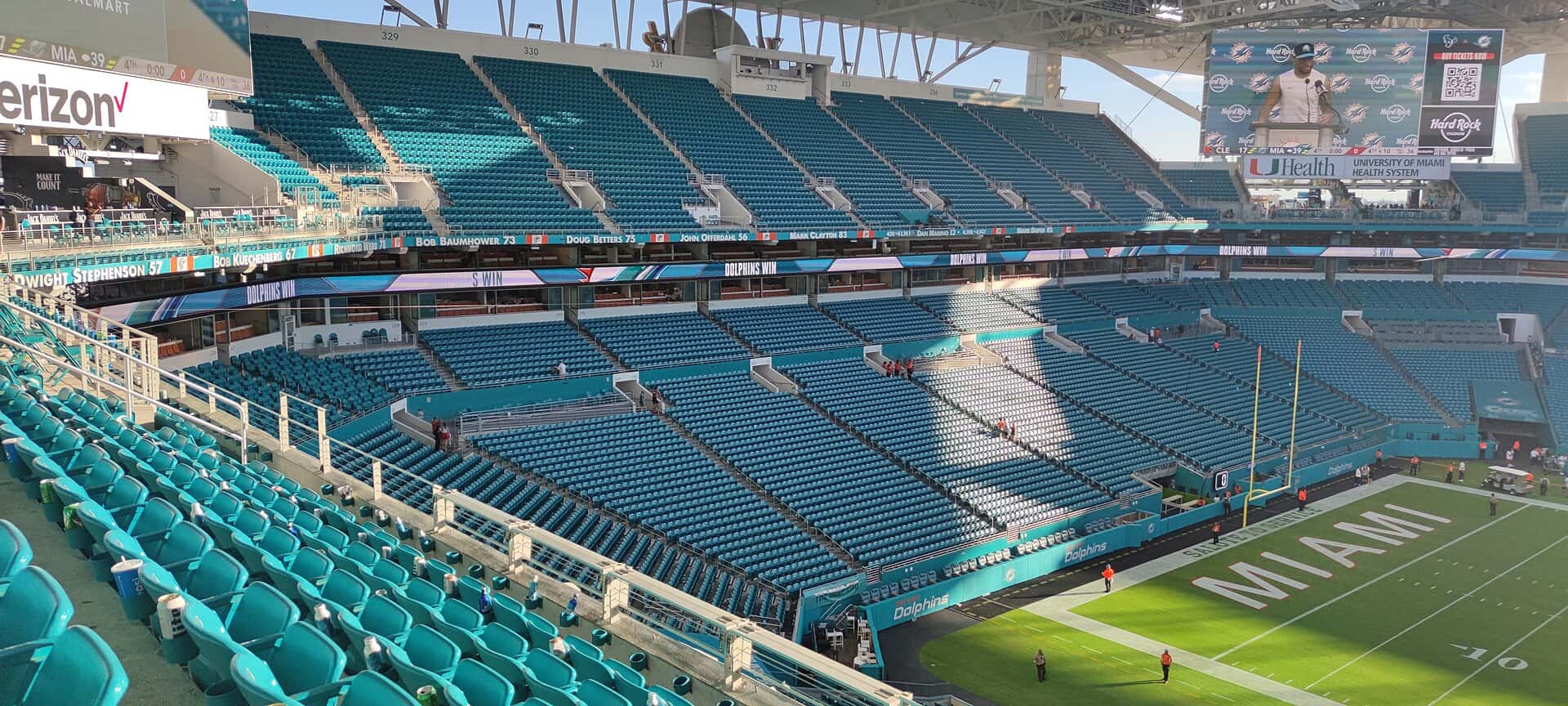
South Florida is preparing to take center stage in the world's biggest sporting event. The 2026 FIFA World Cup, co-hosted by the United States, Canada, and Mexico, will stage seven matches at Hard Rock Stadium in Miami Gardens, cementing the region's status as a marquee host city. During the tournament, the venue will be temporarily renamed Miami Stadium, in keeping with FIFA's policy of stripping commercial branding from World Cup sites, and it will welcome crowds of more than 65,000 for each match.
The slate of games is among the most attractive of any host city. Miami's group stage schedule features Saudi Arabia against Uruguay on June 15, Uruguay against Cabo Verde on June 21, Scotland against Brazil on June 24, and Portugal against Colombia on June 27. The knockout rounds bring even higher stakes, with a Round of 32 match on July 3, a quarterfinal on July 11, and the third-place playoff on July 18 all scheduled for South Florida.
The tournament as a whole opens June 11, and Miami's role in it reflects the region's growing prominence in global soccer. With marquee national teams, a world-class venue, and a passionate multinational fan base, South Florida is positioned to deliver some of the most memorable scenes of the entire competition. The economic and cultural stakes for the region are enormous.
South Florida as a Marquee Host
Hosting seven World Cup matches places Miami among the most important venues of the 2026 tournament. The combination of group stage drama and high-profile knockout games, including a quarterfinal, ensures that the eyes of the soccer world will repeatedly turn toward South Florida across more than a month of competition.
The temporary rebranding to Miami Stadium underscores the global nature of the event. FIFA requires host venues to shed corporate naming rights during the tournament, a standard practice that places the focus squarely on the city and the competition. For Miami Gardens, the spotlight represents a chance to showcase the region to a worldwide audience.
With a capacity exceeding 65,000, the stadium will host enormous crowds for each fixture. The venue, already accustomed to major events, will need to accommodate fans from across the globe, many traveling internationally to follow their national teams. The scale of the gatherings will test and showcase South Florida's hospitality infrastructure.
For a region with deep ties to Latin America, Europe, and beyond, the World Cup is a natural fit. Miami's diverse population gives many of the participating nations a built-in local following, and the matches are likely to generate the kind of vibrant, multinational atmosphere that defines the sport at its highest level.
The Marquee Matches
The Miami schedule is loaded with compelling fixtures. The June 24 meeting between Scotland and Brazil stands out as a showcase of one of soccer's most storied national teams. Brazil's global following all but guarantees a charged atmosphere, and South Florida's substantial Brazilian community will add to the energy inside and outside the stadium.
Three days later, Portugal faces Colombia on June 27 in another headline matchup. Both nations bring talented squads and devoted fan bases, and the game pairs a European power with a South American contender. For Miami's large Colombian population in particular, the fixture is likely to feel close to a home match.
Uruguay appears twice in the Miami group stage, opening against Saudi Arabia on June 15 and returning to face Cabo Verde on June 21. The South American side's presence gives the region multiple chances to host a traditional soccer nation, and Uruguay's passionate supporters will help fill the stands across both dates.
Beyond the group stage, the knockout matches raise the drama considerably. The Round of 32 contest on July 3, the quarterfinal on July 11, and the third-place playoff on July 18 will feature teams that have survived the early rounds, meaning the quality and intensity of play in Miami should escalate as the tournament progresses toward its conclusion.
Economic and Tourism Stakes
The World Cup represents a substantial economic opportunity for South Florida. Seven matches spread across more than a month will draw waves of visitors, filling hotels, restaurants, and attractions throughout the region. International fans traveling to follow their teams tend to extend their stays, multiplying the financial impact across the local economy.
Tourism is a cornerstone of South Florida's economy, and a global event of this magnitude amplifies that strength. The exposure from hosting World Cup matches reaches a worldwide television and online audience, providing the kind of promotional value that no advertising budget could easily replicate. The region's beaches, nightlife, and cultural scene will be on display alongside the soccer.
Local businesses, from hospitality to transportation to retail, stand to benefit from the influx of visitors. The concentration of matches, including knockout-round games that draw fans of multiple nations, ensures sustained activity rather than a single spike. The cumulative effect could ripple through the regional economy well beyond the tournament dates themselves.
There are costs and logistical demands as well. Hosting an event of this scale requires significant coordination around security, transportation, and crowd management. South Florida officials and organizers will be tasked with ensuring that the experience is smooth for visitors and residents alike, a challenge that comes with the privilege of hosting.
Florida's Soccer Landscape
The World Cup arrives in a region where soccer has been steadily rising in prominence. Hard Rock Stadium is best known as the home of the NFL's Miami Dolphins, but South Florida's soccer identity has grown considerably in recent years, fueled in part by the presence of Inter Miami CF and the global star power the club has attracted.
Inter Miami plays its matches in Fort Lauderdale rather than at Hard Rock Stadium, a distinction worth noting amid the World Cup excitement. The club has drawn enormous attention to the region's soccer scene, helping cultivate a fan base primed to embrace a tournament of this scale. The World Cup builds naturally on that momentum.
Major League Soccer, the league in which Inter Miami competes, is on a break during the World Cup and is expected to resume around July 22. The pause clears the calendar for the global tournament to command the region's full soccer attention, avoiding direct competition for fans and venues during the event's run.
The interplay between the local club scene and the international tournament highlights how far soccer has come in South Florida. A region once viewed primarily through the lens of American football and other major sports now hosts one of the world's premier soccer events, a reflection of the game's deepening roots in the area.
Messi, Argentina, and the Miami Connection
Any discussion of South Florida soccer inevitably turns to Lionel Messi, whose arrival in the region elevated Inter Miami and local interest to new heights. Fans hoping to see the Argentine superstar on World Cup duty in Miami, however, will need to look elsewhere on the schedule, at least in the group stage.
Messi and Argentina open their World Cup against Algeria on June 16 in Kansas City, not Miami. The reigning powers of the international game will begin their campaign far from South Florida, a reminder that the tournament spans numerous host cities across three countries. Miami's marquee draws come from other nations in the early rounds.
That said, the knockout matches scheduled for Hard Rock Stadium leave open the possibility of high-profile teams arriving as the tournament advances. The Round of 32 game, the quarterfinal, and the third-place playoff will feature whichever sides earn their way through, meaning the biggest names in the sport could yet appear in Miami depending on the bracket.
For local fans, the prospect of a star-studded knockout match in South Florida adds intrigue to the second half of the tournament. While Argentina opens elsewhere, the structure of the competition means the region could host elite teams when the stakes are highest, keeping anticipation high throughout the event.
Logistics and What Fans Should Expect
Attending a World Cup match requires preparation, and fans heading to Miami Gardens should plan accordingly. With crowds exceeding 65,000 expected for each fixture, transportation, parking, and security screening will demand patience. Arriving early and following official guidance will help visitors navigate the heightened logistics of a global event.
South Florida's summer climate is another factor. June and July bring heat, humidity, and the possibility of afternoon storms, conditions that organizers and attendees alike must account for. Hydration, sun protection, and flexibility around weather will be part of the experience for anyone attending matches at the venue.
The international nature of the crowds will shape the atmosphere in and around the stadium. Fans from the participating nations, joined by South Florida's diverse local communities, are likely to create vibrant scenes well beyond the stadium gates. Public viewing areas, restaurants, and gathering spots across the region will become hubs of activity on match days.
Travelers should also stay alert to official communications regarding scheduling, ticketing, and access. With matches spread from mid-June through mid-July, the logistical picture will evolve as the tournament progresses through its rounds. Reliable, up-to-date information will be essential for fans aiming to make the most of Miami's World Cup experience.
What's Next
As June 11 approaches and the tournament opens, South Florida's preparations move into their final stages. The first Miami match, Saudi Arabia against Uruguay on June 15, will mark the region's entry onto the World Cup stage and set the tone for the weeks of soccer to follow at Hard Rock Stadium.
From there, the schedule builds steadily, culminating in the knockout-round fixtures that will determine which elite teams grace South Florida in July. The quarterfinal on July 11 looms as a particular highlight, a stage at which only the tournament's strongest contenders remain in contention.
For Miami and the surrounding region, the 2026 World Cup is an opportunity to shine on a global stage, to capture the economic benefits of hosting, and to celebrate the sport's deepening connection to South Florida. With seven matches, a world-class venue, and a fan base eager to embrace the moment, the region is ready to play its part in soccer's grandest event.
Spotted an issue with this article?
Have something to say about this story?
Write us a letterComments
No comments yet. Be the first to weigh in.
Related Coverage

Nikita Kucherov Scores Twice as Lightning Rally From Two Goals Down to Beat Canucks 4-2
1d ago

Lionel Messi Scores Twice, Inter Miami Beats Atlanta United 3-1 to Hold Second in the East
1d ago

Carter Verhaeghe, Sam Bennett Hat Tricks Power Panthers Past Kraken 8-3 in Record Night
2d ago

Paolo Banchero Scores 24 as Magic Beat Heat 136-115 in Preseason Finale at Kia Center
2d ago