A Third of U.S. Abortions in 2025 Were Provided by Nurse Practitioners, Physician Associates and Midwives, Guttmacher Says. Florida Law Allows Only Physicians
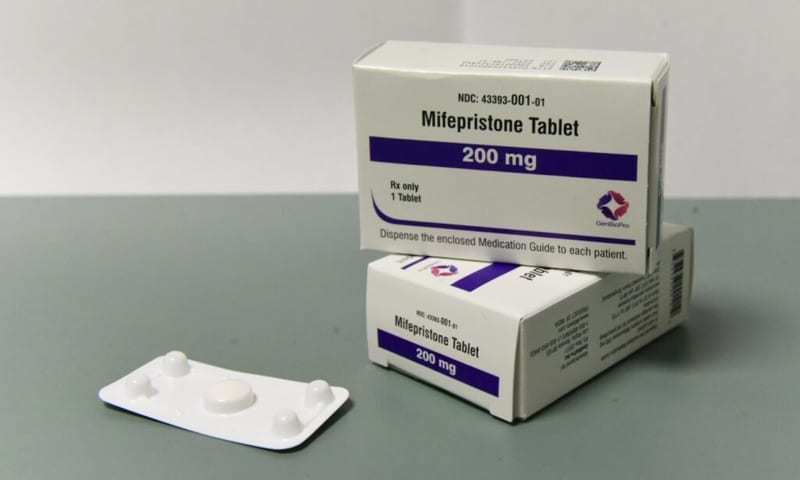
Nurse practitioners, physician associates and certified midwives provided more than 360,000 abortions in the United States in 2025, nearly a third of all clinician-provided abortions nationwide, according to first-of-its-kind national estimates released by the Guttmacher Institute and reported by States Newsroom. Florida patients are largely outside that trend: state law says only a physician may perform or induce an abortion, and Florida bans most abortions after six weeks of pregnancy.
The research group, which supports abortion rights and whose data are widely cited in the abortion debate, said the findings show how much of the country's abortion care now depends on clinicians other than doctors, a group it calls advanced practice clinicians, or APCs. The report was published by Stateline on Nov. 12 and republished by the Florida Phoenix on Nov. 14.
What Guttmacher found
Guttmacher estimated that APCs provided more than 360,000 abortions in 2025, with a 90% uncertainty interval of 349,300 to 380,200. The count includes both procedural and medication abortions, provided in person or through telehealth. Guttmacher estimated a total of 1,126,000 clinician-provided abortions nationwide in 2025, nearly unchanged from 1,124,000 in 2024.
The share is far higher where APCs are legally allowed to provide abortion care. Twenty-five states and the District of Columbia permit it, and in those 26 jurisdictions APCs accounted for 43% of clinician-provided abortions, with an uncertainty range of 41% to 45%, according to Guttmacher.
The organization said its estimates are conservative in two ways. They count only abortions that APCs directly provided, not their work in counseling or follow-up care, including in states where they cannot provide abortions themselves. And they exclude self-managed abortions and those obtained outside the formal health care system. The figures come from Guttmacher's Monthly Abortion Provision Study, which collects data from abortion providers across the country.
The national context: telehealth and shield laws
The new estimates arrive as telehealth reshapes abortion access. As of December 2025, more than one in four clinician-provided abortions in the United States were obtained through direct-to-patient telehealth, Guttmacher has reported. In the 13 states with total abortion bans, telehealth provision rose from about 74,000 abortions in 2024 to about 91,000 in 2025. Eight states have passed shield laws that explicitly protect clinicians who provide telehealth abortion care to patients in states with total bans or other severe restrictions, according to Guttmacher.
APCs play a large role in that telehealth model, because medication abortion through the mail can be prescribed by nurse practitioners and other clinicians in states that permit it. Florida is not counted among the 13 total-ban states in Guttmacher's telehealth figures, since abortion remains legal in the state up to six weeks.
What Florida law says
Section 390.0111 of the Florida Statutes states plainly that "only a physician may perform or induce a termination of pregnancy." The same section bars a physician from using telehealth to perform an abortion, "including, but not limited to, medical abortions," and requires that any medications intended for a medical abortion "be dispensed in person by a physician." Those drugs "may not be dispensed through the United States Postal Service or by any other courier or shipping service," the statute says.
Those provisions came from the 2023 law known as SB 300, which also set the six-week limit. That limit took effect on May 1, 2024, after the Florida Supreme Court upheld the state's earlier 15-week ban. The law makes exceptions to save the woman's life or prevent serious physical harm, for fatal fetal abnormalities before the third trimester, and for pregnancies resulting from rape, incest or human trafficking up to 15 weeks. In November 2024, a proposed constitutional amendment to protect abortion rights, Amendment 4, won about 57% of the vote but fell short of the 60% required to pass.
Bills to repeal the telehealth ban, the in-person dispensing rule and the mail ban have been filed in recent sessions, including SB 823 in 2025 and HB 681 in 2026, but the provisions remain in the 2025 Florida Statutes.
Florida's abortion numbers
Abortions reported in Florida have fallen sharply since the six-week ban took effect. Figures from the state Agency for Health Care Administration, which collects monthly reports from Florida providers, show the following totals. AHCA notes that year-to-date totals are subject to change because of late reporting and data corrections.
| Year | Reported abortions in Florida | Source and date |
|---|---|---|
| 2024 | 64,854 | AHCA data reported by WUSF, Jan. 2026 |
| 2025 | 48,150 | AHCA report generated July 8, 2026 |
| 2026 (through report date) | 31,449 | AHCA report generated Oct. 1, 2026 |
When WUSF first reported 2025 figures in January, AHCA's website showed 44,206 abortions; later reporting raised the total. In AHCA's 2025 report, 47,831 of the abortions were in the first trimester and 319 in the second, with none in the third. In 2026 through the October report, 31,180 were in the first trimester and 269 in the second.
The decline has been steepest among patients from other states, for whom Florida was once a regional destination. AHCA data showed 744 abortions for out-of-state residents in the first half of 2025, compared with 2,928 a year earlier, CBS Miami reported. Guttmacher's own survey estimated 12,090 fewer abortions in Florida in the first half of 2025 than in the first half of 2024, a 27% drop.
What the state numbers do not capture
AHCA's counts are built from reports by providers in Florida, so they do not include abortion pills mailed to Floridians by out-of-state clinicians operating under shield laws, or pills obtained outside the medical system. That gap is one reason Florida's official numbers and national estimates of how many Floridians obtain abortions can differ.
Supporters of physician-only rules argue that abortion is a medical procedure that should be performed by doctors trained to manage complications. Abortion-rights advocates counter that APCs safely provide early abortion care in the states that allow it, and that limiting care to physicians reduces the number of available providers. Guttmacher's findings are likely to be cited by both sides as states revisit who may provide abortions.
What's next
Florida's 2027 legislative session begins in March, when any proposal to change who may provide abortions or how medication abortion is dispensed would have to pass a Legislature where Republicans hold large majorities. AHCA will continue to publish monthly year-to-date figures, and a full-year 2026 count is expected early next year.
Spotted an issue with this article?
Have something to say about this story?
Write us a letterComments
No comments yet. Be the first to weigh in.
Related Coverage

US terrorist list for Latin American gangs and cartels grows to 22 with Guatemalan clan, with ripple effects in South Florida
15h ago

ULA Delays Vulcan Launch of 40 Amazon Leo Satellites at Cape Canaveral After Power Interruption
16h ago

Trump administration scraps required pay raises for Head Start teachers, affecting programs serving nearly 40,000 Florida children
16h ago

Supreme Court will decide whether Trump can ban asylum at the southern border, a case watched closely in Florida
17h ago