Artemis III Hardware Arrives at Kennedy Space Center as NASA Moves Toward Moon Landing
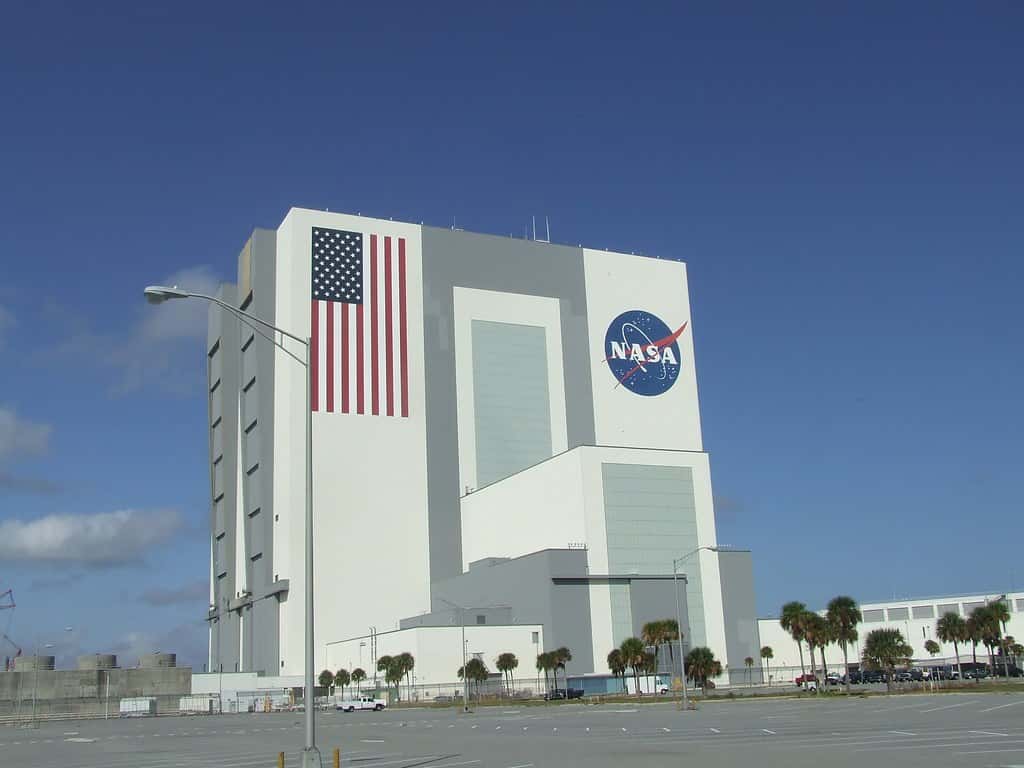
NASA's effort to return astronauts to the surface of the Moon advanced at Florida's Kennedy Space Center, where rocket booster segments for the Artemis III mission began arriving and preparations continued toward a flight targeted for later this decade. The progress, which follows the recent naming of the mission's crew, keeps Florida's Space Coast at the center of the nation's most ambitious human spaceflight program in decades.
Progress at Kennedy
According to NASA, the segments for the solid rocket boosters that will help power the Artemis III mission began arriving by rail at Kennedy Space Center in June, to be stored in a processing facility until they are moved for stacking. The arrival of major hardware marks a tangible step in preparing for the mission, as components are delivered, processed, and eventually assembled into the vehicle that will carry astronauts toward the Moon.
Assembling a rocket for a crewed lunar mission is a complex, multi-year process that unfolds in stages at Kennedy Space Center. The Vehicle Assembly Building and associated facilities are where the pieces come together, and the arrival of booster segments feeds into that assembly sequence. Each delivery and processing milestone brings the mission closer to launch readiness.
The activity at Kennedy reflects the central role Florida's Space Coast plays in the Artemis program. As the launch site for the missions, the center is where the vehicles are assembled, tested, and ultimately launched. The progress on Artemis III hardware underscores the ongoing work at the facility to prepare for the return of astronauts to the Moon.
The delivery of hardware by rail illustrates the scale of logistics behind a lunar mission. Large rocket components are manufactured at facilities across the country and then transported to Florida, where they converge for assembly. Coordinating those shipments, receiving them, and moving them into processing facilities requires careful scheduling, and the arrival of the Artemis III booster segments represents the culmination of work carried out well before the pieces reach the Space Coast.
Once at Kennedy, the segments enter a controlled processing environment where they are inspected and prepared before integration. Storage and processing facilities at the center are designed to protect sensitive hardware and to stage it in the proper sequence for stacking. That methodical approach reflects the standards that govern human spaceflight, where each component is handled with attention to safety and reliability before it becomes part of the vehicle.
The Artemis III crew
NASA recently named the crew for Artemis III, the mission intended to test technologies vital to landing astronauts on the lunar surface. According to the agency, the crew includes NASA astronauts as well as an astronaut from the European Space Agency, bringing together experienced and first-time fliers for the ambitious flight. The crew announcement gave the mission a human face and heightened public attention.
Artemis III is described as a mission designed to test how NASA's Orion spacecraft will dock with a lunar lander, a key step in the architecture for returning astronauts to the Moon's surface. The mission's objectives focus on demonstrating the systems and procedures needed for a lunar landing. Reports indicate the crew is set to launch as soon as later in the decade, reflecting the extended timeline of the program.
Including an international astronaut reflects the collaborative nature of the Artemis program, which involves partnerships with other space agencies. International cooperation has been a feature of human spaceflight, and the Artemis III crew embodies that partnership. The naming of the crew, combined with progress on hardware, signals the mission's advancement toward launch.
The Florida context
Kennedy Space Center is one of Florida's most significant assets, anchoring the state's aerospace sector and drawing visitors from around the world. As the launch site for Artemis missions, the center is central to the program's execution, and the activity there supports jobs and economic activity on the Space Coast. The progress on Artemis III reinforces the center's importance.
The Artemis program represents a major, sustained effort that keeps Florida at the forefront of human spaceflight. The multi-year nature of the program means continuing activity at Kennedy Space Center as missions are prepared and launched. That ongoing work sustains the aerospace workforce and the businesses that support the industry in the region.
Florida's Space Coast has experienced a resurgence driven by both government and commercial spaceflight, with Kennedy Space Center and nearby Cape Canaveral hosting a range of missions. The Artemis program adds a high-profile human spaceflight dimension to that activity, complementing the frequent commercial launches. The combination reinforces the region's status as a center of spaceflight.
An engine for the regional economy
Beyond the launch pads and assembly buildings, the aerospace sector radiates through the wider Florida economy. Suppliers, engineering firms, logistics providers, and specialized manufacturers all form part of the network that supports work at Kennedy Space Center. When major hardware arrives and mission preparation intensifies, that network of businesses shares in the activity, and the effects extend to communities along the Space Coast and beyond.
The presence of a sustained human spaceflight program also helps Florida attract and retain skilled workers. Engineers, technicians, and other specialists are drawn to regions with steady, high-profile work, and the Artemis program offers exactly that kind of long-horizon effort. Educational institutions and training programs across the state benefit from the demand for aerospace talent, building a pipeline that can serve both government and commercial spaceflight for years to come.
Tourism forms another dimension of the economic picture. Kennedy Space Center draws visitors who come to learn about spaceflight and to witness launches, and high-profile missions tend to intensify that interest. The prospect of a crewed lunar mission staged from Florida gives the region a distinctive draw, one that supports hospitality businesses and local commerce in the surrounding area. Hotels, restaurants, and attractions along the coast often see heightened demand around major launches, and a program with the profile of Artemis can extend that interest across the calendar as milestones accumulate. The steady rhythm of activity at the center helps smooth the seasonal patterns that shape much of Florida's tourism economy, giving nearby communities a reliable source of visitors tied to the work of spaceflight.
Building on a long spaceflight legacy
Florida's association with human spaceflight stretches back to the earliest days of the American space program, and Kennedy Space Center has been the departure point for many of the nation's landmark missions. The Artemis program continues that tradition, using the same stretch of coast that has long served as the country's gateway to space. The arrival of Artemis III hardware adds a new chapter to that history.
That legacy carries practical value as well as symbolic weight. Decades of launches have left the region with specialized infrastructure, an experienced workforce, and institutional knowledge that few other places can match. Those assets make Florida well suited to host a program as demanding as Artemis, and they help explain why the state remains the focus of the nation's return to the Moon. The methodical progress on Artemis III reflects the accumulated expertise that the Space Coast brings to complex missions.
What it means for Floridians
For residents of the Space Coast, the Artemis program means continuing activity and employment in the aerospace sector. The work of preparing missions supports jobs at Kennedy Space Center and among the contractors and businesses that serve the program. The progress on Artemis III contributes to that sustained economic activity in the region.
The program also carries significance beyond economics, offering a source of inspiration and civic pride as Florida hosts the effort to return astronauts to the Moon. Human spaceflight missions capture public attention, and the prospect of a lunar landing launched from Florida connects the state to a historic endeavor. That dimension resonates with residents and visitors alike.
For the broader aerospace industry in Florida, the Artemis program is one pillar of an expanding sector that includes commercial spaceflight and satellite launches. The activity at Kennedy Space Center, combined with the frequent launches from Cape Canaveral, positions the state at the center of a growing industry. The progress on Artemis III adds to that momentum.
The road to the Moon
Returning astronauts to the lunar surface is a complex undertaking that requires developing and testing new systems, assembling powerful rockets, and coordinating multiple missions. Artemis III represents a key step in that architecture, with its focus on demonstrating the docking and landing capabilities needed for a crewed lunar landing. The mission builds on the groundwork laid by earlier Artemis flights.
The extended timeline of the program, with Artemis III targeted for later in the decade, reflects the difficulty and care involved in human lunar missions. Each step, from hardware delivery to assembly to testing, must be completed methodically to ensure crew safety and mission success. The progress at Kennedy Space Center is part of that deliberate process.
As the program advances, Kennedy Space Center will remain the focal point for assembling and launching the missions. The arrival of Artemis III booster segments is one milestone among many on the path to a lunar landing. The continuing work at the Florida facility keeps the state at the heart of the nation's return to the Moon.
What's next
The Artemis III booster segments will be processed and eventually moved for stacking as the assembly of the mission's vehicle proceeds at Kennedy Space Center. Additional hardware deliveries and integration milestones will follow as the mission is prepared. Each step advances the flight toward its targeted launch later in the decade.
The named crew will continue training for the mission, preparing for the objectives of testing the systems needed for a lunar landing. Crew preparation, combined with vehicle assembly and testing, forms the parallel tracks of mission readiness. Progress on both fronts will be followed by observers and space enthusiasts.
For Florida's Space Coast, the Artemis program ensures continuing activity and a central role in human spaceflight. The progress on Artemis III hardware and crew keeps the mission moving forward, with Kennedy Space Center as the launch point. As NASA works toward returning astronauts to the Moon, Florida remains at the center of the effort.
Spotted an issue with this article?
Have something to say about this story?
Write a letter to the editorComments
No comments yet. Be the first to weigh in.
Related Coverage

Supreme Court Opens New Term Oct. 5 With Florida's Six-Person Felony Juries on the Docket
4h ago

Rubio Calls Cuba a Failed State, Warns Havana Cannot Wait Out Trump as South Florida Watches
5h ago

No Shutdown at Fiscal Year's End: What the Dec. 11 Funding and Flood Insurance Deadline Means for Florida
6h ago
The Fed's First Rate Hike Since 2023 Pushes Mortgages Past 7% and Freezes Florida's Housing Market
1d ago