Florida Swaps Hurricane Tax Holidays for Year-Round Exemptions as Season Begins
As the 2026 hurricane season opened on June 1, Florida shoppers found a different system waiting for them at the checkout counter. The temporary disaster-preparedness sales tax holidays that for years gave residents a brief window to buy emergency supplies tax-free have been replaced by permanent, year-round exemptions on many of those same items. The shift, enacted through tax legislation signed in 2025, means Floridians no longer have to time their hurricane shopping to a calendar window set by the Legislature.
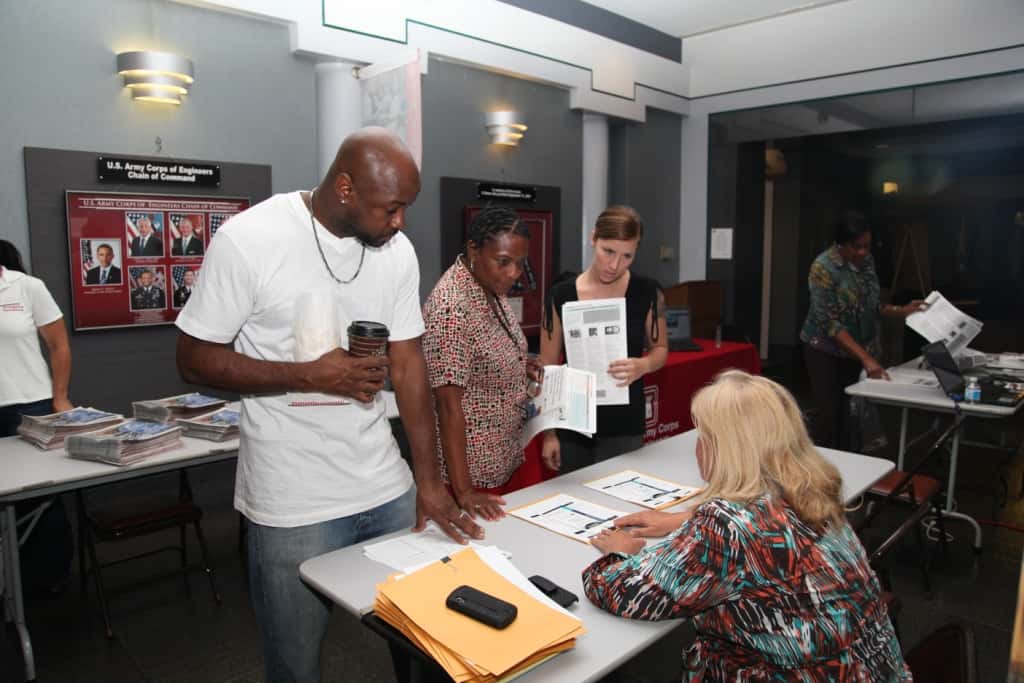
The change arrives alongside a broad state push to get households ready before the first storm threatens. The Florida Division of Emergency Management used the weeks leading into June to urge residents to assemble supply kits, build family plans and identify evacuation zones, framing preparation as a task to complete now rather than during the rush that precedes a landfall.
What changed in the tax code
For years, Florida designated one or more limited periods each year, typically in the spring and again later in the season, during which sales tax was waived on a defined list of disaster-preparedness items. Those holidays were popular but constrained: shoppers had to buy within the window, and the savings disappeared once it closed.
Under the new approach, many emergency-preparedness items are exempt from sales tax permanently, with the savings applied automatically at the point of purchase. There is no purchase limit and no need to wait for a designated tax-free weekend. The intent, according to the framing around the legislation, is to let residents restock and maintain their kits throughout the year instead of cramming purchases into a short period at the start of the season.
The practical effect is a quieter but potentially more useful benefit. Rather than a burst of marketing around a tax-free weekend, the exemption now operates in the background, rewarding the steady, year-round preparation that emergency managers have long encouraged but that the old holiday structure inadvertently discouraged.
What is covered, and what is not
The permanent exemptions cover many of the staples of a hurricane kit, the kinds of items the state has long encouraged residents to keep on hand. But the transition from the old holiday lists to the permanent structure also dropped some items that had been included in past tax-free periods. Reporting on the change noted that certain goods previously covered, including flashlights, candles, food coolers and some pet supplies, are no longer on the exemption list under the new framework.
That means shoppers cannot assume that everything once covered during a tax holiday is now permanently tax-free. Residents building or refreshing a kit are advised to check current state guidance on which categories qualify rather than relying on memory from prior years' holiday lists.
The distinction matters because a complete hurricane kit includes a wide range of supplies, some exempt and some not. The exemption reduces the cost of preparation but does not eliminate it, and households should budget accordingly rather than expecting the entire kit to be tax-free.
The Florida context
Florida's experiment with permanent exemptions reflects how central hurricane preparation has become to state policy and household budgets alike. After a string of damaging seasons, the cost of getting ready, layered on top of rising property insurance premiums and construction costs, has become a real burden for many families. Removing sales tax from preparedness staples is a modest but tangible way for the state to lower that barrier.
The year-round structure also aligns the tax code with what emergency managers actually recommend. The single biggest predictor of how well a household weathers a storm is whether it prepared before the storm was on the map. A tax holiday that concentrated buying into a few days each year ran counter to that advice, leaving shoppers competing for limited stock and sometimes finding shelves bare. A permanent exemption spreads demand across the calendar.
For retailers, the change removes the operational scramble of programming registers for short tax-free windows and then reversing them. For consumers, it removes the pressure to buy on a deadline, which can lead to overbuying or buying the wrong items in a hurry.
What state officials are urging
The Florida Division of Emergency Management has been explicit about what a prepared household looks like. Officials urge residents to assemble a kit with enough nonperishable food and water to sustain each family member for at least seven days, along with medications, batteries, and copies of important personal documents. Plans should account for every member of the household, including children, older adults and pets, whose needs are often overlooked until a storm is bearing down.
Among the practical tips state officials repeat each year is to keep vehicle fuel tanks at least half full throughout the season. Fuel shortages and long lines are among the first disruptions to appear when a storm enters the forecast cone, and a half-full tank provides a buffer for evacuation or errands. Cash on hand is another recommendation, since power outages can disable card readers and ATMs.
Backup power deserves the same planning, especially in households that rely on powered medical equipment or refrigerated medication. A gas generator has to run outdoors, well away from doors and windows, because of the carbon monoxide risk, while a battery power station can run safely indoors. A 2,000-watt-hour unit keeps a typical modern refrigerator running for roughly a day, according to SolarGenReview's refrigerator runtime guide.
Officials also stress the importance of knowing one's evacuation zone before a storm threatens. Evacuation orders in Florida are issued by zone, not by entire counties, so two residents in the same county can receive very different instructions. Checking one's zone in advance, through county emergency management resources, removes a dangerous source of confusion during the stress of an approaching storm.
What it means for Floridians
For the average household, the most useful response to the new tax structure is to treat preparation as an ongoing habit rather than an annual event. Because the exemptions now apply year-round, residents can buy a few items at a time, replace expired supplies as needed and avoid the last-minute rush. Spreading purchases out also eases the strain on the family budget compared with buying an entire kit at once.
The change is especially relevant for newer Florida residents who may be experiencing their first hurricane season. The state's population has grown rapidly, and many recent arrivals have never assembled a storm kit or learned their evacuation zone. The permanent exemption lowers the cost of that first kit and removes the excuse of having missed a tax holiday window.
Renters, too, have a stake in preparation, even though they do not own the property they occupy. A supply kit, important documents, medications and a family communication plan are just as essential for renters as for homeowners, and the tax exemption applies regardless of whether a shopper owns or rents.
Building a plan, not just a kit
Emergency managers stress that supplies are only one part of preparation, and arguably not the most important. A family communication plan, worked out before a storm threatens, determines how household members will reach one another if they are separated when a storm hits, and where they will reunite if they cannot return home. Designating an out-of-area contact whom everyone can call is a common recommendation, since local phone networks can become congested or fail during and after a storm.
Evacuation planning is equally critical and frequently misunderstood. Because Florida issues evacuation orders by zone rather than by entire counties, residents need to know their specific zone in advance, information available through county emergency management resources. Knowing one's zone removes a dangerous source of confusion when an order is issued, allowing residents to act quickly rather than scrambling to determine whether the order applies to them.
For households that may need to evacuate, identifying a destination ahead of time, whether a shelter, a hotel or the home of friends or family inland, saves precious time. Those with pets must plan for them specifically, since not all shelters accept animals, and pet owners should identify pet-friendly options in advance. Residents with medical needs, mobility limitations or other special circumstances are encouraged to register with their county for assistance before a storm approaches.
Documentation rounds out a complete plan. Photographing belongings, storing copies of insurance policies and important records in a waterproof container or securely online, and keeping cash on hand all speed recovery after a storm. These steps cost little and take only a few hours, but they make an enormous difference in how quickly a household can recover once the immediate danger has passed.
The shift to permanent exemptions also reflects a maturing approach to disaster preparedness policy in a state that has learned hard lessons from repeated storms. Rather than treating preparation as a seasonal event marked by a brief shopping window, the permanent structure embeds readiness into year-round behavior, aligning the tax code with the reality that hurricanes can form quickly and that supplies are best maintained continuously. It is a recognition that in Florida, preparedness is not a once-a-year task but an ongoing necessity.
The change also places more responsibility on individual residents to take advantage of the year-round savings, since there is no longer a designated period to prompt action. Without the marketing and urgency that accompanied the old tax holidays, the burden falls on households to make preparation a deliberate habit. State and county officials continue their outreach precisely to fill that gap, reminding residents that the savings are available whenever they choose to act and that the best time to prepare is before any storm appears on the horizon.
What's next
With the season running through November 30 and the climatological peak still months away, residents have time to build or refresh their kits without urgency. State officials will continue their preparedness messaging through the summer, and county emergency management offices will run their own campaigns, including reminders to sign up for local alert systems that deliver evacuation orders and shelter information.
The federal forecast for the season is below normal, but officials have been consistent that the seasonal outlook should not change household behavior. The permanent tax exemption is designed precisely for that reality: it rewards the steady, unglamorous work of staying ready year after year, whether or not a given season turns active. As the 2026 season gets underway, the message from the state is to use the calm opening days to prepare, while the supplies are stocked and the savings are available.
Spotted an issue with this article?
Have something to say about this story?
Write us a letterComments
No comments yet. Be the first to weigh in.
Related Coverage

Storm-Force Low Off Southeast Coast Has 40% Chance to Turn Subtropical as Florida Coast Faces Tidal Flooding, Rough Surf
1d ago
Strong fall cold front brings Florida Saturday rain, cooler air and dangerous surf this weekend
4d ago
Hurricane Center Gives Atlantic Low Near Cabo Verde a 20% Chance as Florida Gets a Break After Isaias
Oct 12

Tallahassee and the Big Bend Escape Isaias' Worst, With Downed Trees, Brief Outages and Rising Rivers to Watch
Oct 9