Carnival Posts Record Quarter and Strong 2027 Bookings, Lifting Cruise Stocks and Florida Ports
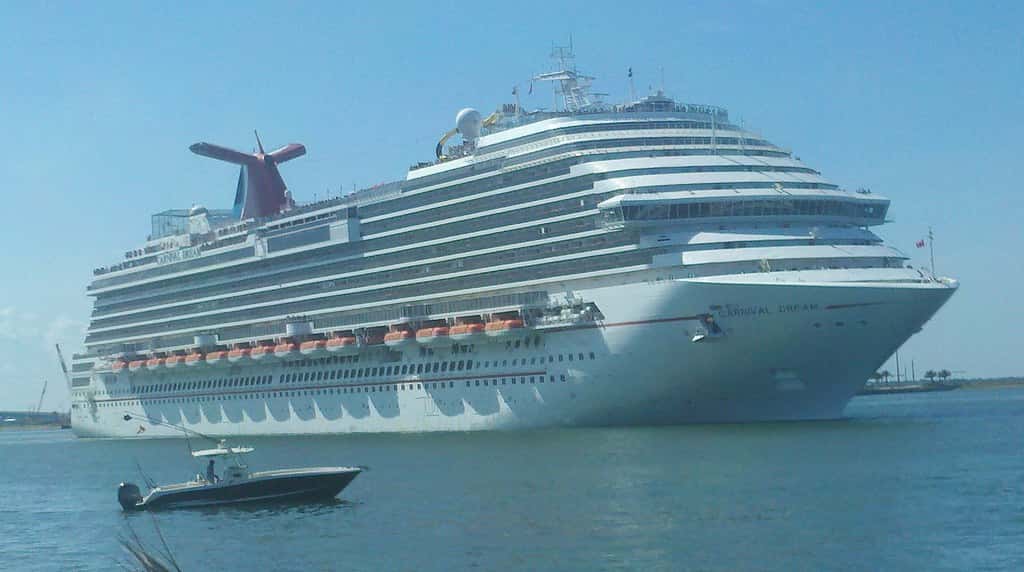
Carnival Corporation, the Miami-area cruise giant, reported the best quarter in its history on Tuesday, Sept. 29, posting all-time high revenue, net yields and net income for its fiscal third quarter and saying 2027 bookings are already at record occupancy and pricing levels. The results sent Carnival shares up more than 11 percent on the day, according to market coverage, and lifted rivals Royal Caribbean Group and Norwegian Cruise Line Holdings, both of which are also headquartered in South Florida.
In its earnings release, Carnival said net income reached an all-time high of $1.9 billion for the quarter, with adjusted net income of $2.0 billion, on record revenue of roughly $8.4 billion. Financial news outlets reported adjusted earnings of $1.43 per share, ahead of Wall Street expectations on both earnings and revenue. The company said record third-quarter customer deposits rose nearly 7 percent compared with the prior-year record, even though capacity was essentially flat.
The numbers matter well beyond Wall Street. Florida is the center of the global cruise industry, home to the three largest cruise companies and to the world's busiest cruise ports. Strong demand for sailings translates into jobs at Port Canaveral, PortMiami, Port Everglades, Port Tampa Bay and JAXPORT, along with spending at hotels, airports, restaurants and suppliers across the state.
What Carnival reported
Carnival said it outperformed its own guidance for the quarter, which covers the summer months that are traditionally the strongest period of the year for cruise lines. In its release, the company highlighted record revenues and record net yields in constant currency, a key industry measure that reflects how much revenue the company earns per unit of capacity after certain costs.
The company also raised its outlook for the full fiscal year. Carnival said its full-year expectations now reflect an operational improvement of more than $150 million in adjusted net income compared with its June guidance, which it achieved despite a spike in fuel prices. Market coverage of the release reported that Carnival now expects full-year adjusted EBITDA of about $7.14 billion, adjusted net income of about $3.1 billion and adjusted earnings of about $2.24 per share.
Carnival said it has completed about $1.2 billion in share repurchases so far this year, a sign of how far the company's balance sheet has recovered from the pandemic, when cruising was halted entirely and the company borrowed heavily to survive. Chief Executive Officer Josh Weinstein said in the release that the company's cruise lines and destinations, combined with stronger demand generation and measured capacity growth, position Carnival to keep driving higher returns while returning more capital to shareholders.
Record bookings for 2027
Perhaps the most closely watched figure was Carnival's view of next year. The company said 2027 booked occupancy and pricing are both at record levels, meaning travelers are committing earlier and paying more for future sailings. Cruise companies typically take deposits many months in advance, so a strong booked position provides a cushion against economic uncertainty.
That forward demand comes at a time of tightening financial conditions. The Federal Reserve raised its benchmark interest rate by a quarter point on Sept. 16 to a range of 3.75 to 4 percent, its first increase since 2023, and Freddie Mac's survey showed the average 30-year mortgage rate climbing above 7 percent in late September. Higher borrowing costs can squeeze household budgets, but so far cruise demand appears to be holding up.
Industry analysts have pointed to the value proposition of cruising relative to land-based vacations, as well as cruise lines' investment in private destinations and new ships, as reasons demand has outpaced capacity growth. Carnival's strategy of keeping capacity growth measured has allowed it to push pricing higher while filling ships.
Why it matters to Florida's economy
Carnival Corporation operates brands including Carnival Cruise Line, Princess Cruises, Holland America Line, Costa and others, and its flagship Carnival Cruise Line runs a large share of its sailings from Florida. Carnival is headquartered in Doral in Miami-Dade County, while Royal Caribbean Group is based at PortMiami and Norwegian Cruise Line Holdings is in Miami as well. Together, the three companies employ thousands of people in corporate offices in South Florida.
Florida's cruise ports have posted record passenger volumes in recent years, with Port Canaveral and PortMiami competing for the title of the world's busiest cruise port. Each ship call brings spending on provisioning, fuel, port fees, ground transportation and pre- and post-cruise hotel stays. Orlando International Airport, Miami International Airport and Fort Lauderdale-Hollywood International Airport all see heavy cruise-related traffic on embarkation days.
When cruise companies are profitable and confident, they also tend to invest in Florida infrastructure. Cruise lines have partnered with ports on new terminals in recent years, and strong earnings can support further investments in shoreside facilities, which in turn support construction and maritime jobs.
Carnival's footprint across Florida ports
Carnival Cruise Line sails from more Florida ports than nearly any other brand, with year-round departures from Port Canaveral, PortMiami, Port Everglades, Port Tampa Bay and JAXPORT in Jacksonville. Many of its largest and newest ships are based at Port Canaveral and Miami, where short Bahamas and Caribbean itineraries draw a steady stream of families from across the Southeast.
Those short itineraries increasingly lean on the company's private destinations. Carnival opened Celebration Key on Grand Bahama in 2025, a destination designed largely for ships departing Florida, and it continues to market its Bahamas and Caribbean ports of call heavily to travelers who can drive to embarkation. Strong 2027 bookings suggest those investments are paying off.
The local ripple effects are significant. Each embarkation day at a Florida port involves longshore workers, provision suppliers, baggage handlers, taxi and rideshare drivers, parking operators and security staff. Port authorities collect passenger fees that help fund terminal upgrades and, in some cases, contribute to county budgets. A healthy order book for cruise lines gives port planners greater confidence in long-term projects.
Brevard, Miami-Dade, Broward, Hillsborough and Duval counties all count cruise traffic among the visitor flows they track closely, and tourism agencies in each have courted cruise passengers to extend their stays with hotel nights before or after sailing.
Fuel prices and other risks
Carnival's release singled out a spike in fuel prices as a headwind this year. Fuel is one of the largest operating costs for cruise ships, and swings in global oil prices can quickly affect profitability. The company said its operational improvements more than offset the higher fuel costs in its updated outlook.
Weather is another constant risk for Florida-based cruise operations. Hurricane season, which runs through Nov. 30, regularly forces itineraries to be changed or shortened, and ports occasionally close ahead of storms. In recent days, cruise industry coverage reported that a powerful nor'easter along the U.S. East Coast caused late arrivals, delayed departures and rerouted itineraries for several lines, a reminder that weather disruptions are not limited to tropical systems.
Debt remains a factor as well. Although Carnival has paid down a significant amount of the borrowing it took on during the pandemic, it still carries substantial debt, and higher interest rates can increase the cost of refinancing. Investors will be watching how the company balances debt reduction with share buybacks in the year ahead.
A lift for the broader industry
Carnival is often viewed as a bellwether because it is the largest cruise company by number of ships and passengers, and because it reports earlier than its main competitors. The strength of its results lifted shares of Royal Caribbean and Norwegian on Tuesday, according to market reports, as investors read Carnival's numbers as a sign that demand across the sector remains firm.
Royal Caribbean and Norwegian are scheduled to report their own third-quarter results later in the fall. Both have also pointed to strong demand and pricing this year, and both are expanding their private island and destination offerings in the Caribbean and the Bahamas, which are heavily marketed to travelers departing from Florida.
The cruise industry's recovery since the pandemic has been one of the more dramatic turnarounds in the travel sector. In 2020 and early 2021, ships sat idle off Florida's coast and the industry faced federal restrictions on sailing. Today, record bookings and profits reflect a strong rebound in consumer appetite for cruising.
What travelers should expect
For Floridians planning a cruise, the record pricing Carnival described is a double-edged sword. Strong demand means cruise lines have less need to discount, and travelers may find that fares for popular sailings in 2027 are higher than in past years. Booking early has generally been the best way to secure lower fares and preferred cabins.
At the same time, cruise lines are adding new ships and features to justify higher prices, including expanded dining, entertainment and private destination experiences. Many of the newest ships in the Carnival, Royal Caribbean and Norwegian fleets are deployed from Florida ports, giving local travelers the option to drive to their embarkation point rather than fly.
Travelers should also keep an eye on hurricane-season policies, including cancellation terms and travel insurance options, especially for sailings scheduled in the late summer and fall when tropical storms are most likely.
What's next
Carnival is expected to report its fiscal fourth-quarter and full-year results in December, when it will typically provide its first detailed guidance for 2027. Investors will be looking for confirmation that the record booked position translates into continued growth in revenue and earnings.
In the meantime, Royal Caribbean and Norwegian will report their results in the coming weeks, offering a fuller picture of the industry's health. Fuel prices, interest rates and consumer spending trends will remain key variables for all three Florida-based companies.
For Florida's ports and the workers who depend on them, the message from Carnival's report is that demand for cruising remains strong heading into 2027, a positive sign for one of the state's signature industries.
Spotted an issue with this article?
Have something to say about this story?
Write a letter to the editorComments
No comments yet. Be the first to weigh in.
Related Coverage

Supreme Court Opens New Term Oct. 5 With Florida's Six-Person Felony Juries on the Docket
1d ago

Rubio Calls Cuba a Failed State, Warns Havana Cannot Wait Out Trump as South Florida Watches
1d ago

No Shutdown at Fiscal Year's End: What the Dec. 11 Funding and Flood Insurance Deadline Means for Florida
1d ago

The Fed's First Rate Hike Since 2023 Pushes Mortgages Past 7% and Freezes Florida's Housing Market
2d ago