Casey DeSantis Launches Plan Linking Florida Nursing Homes to Churches
A New Push to Connect Seniors With Faith Communities
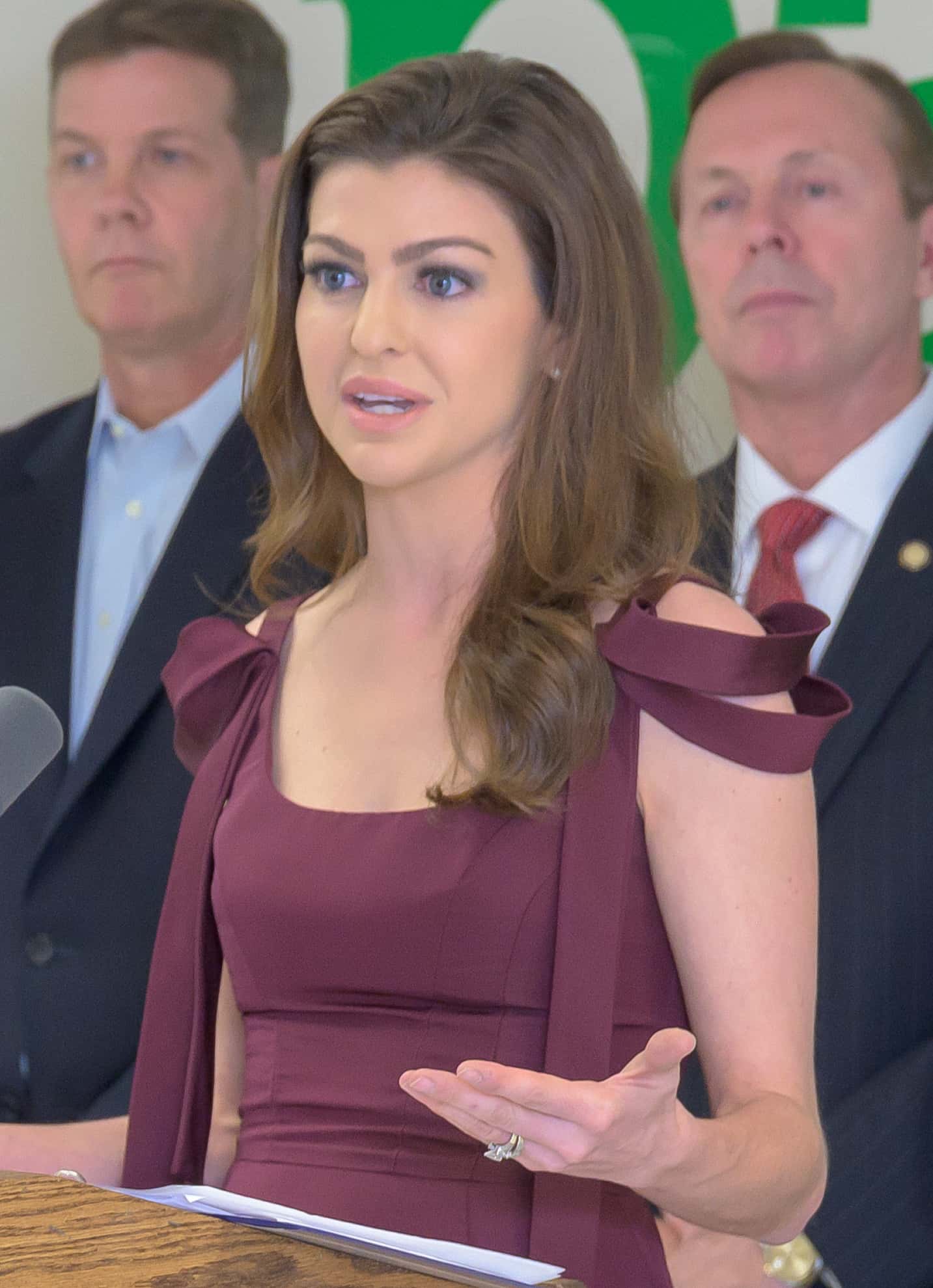
Florida First Lady Casey DeSantis has announced a new initiative aimed at reducing loneliness among older residents by creating opportunities for nursing homes and assisted living communities to partner with local churches and faith communities. The effort, unveiled in early July, is built around a simple premise: that regular visits, shared activities, and steady relationships can bring companionship and meaningful connection to seniors who might otherwise spend their days alone.
The announcement frames the initiative as a bridge between two groups already woven into the fabric of Florida life. On one side are the state's long-term care facilities, home to tens of thousands of residents. On the other are the congregations and volunteer networks that fill communities from the Panhandle to the Keys. The goal, according to the First Lady's office, is to make it easier for the two to find one another and build lasting bonds.
Officials describe the model as voluntary and locally driven, allowing facilities and congregations to shape partnerships that fit their own needs and capacities. Rather than imposing a single template, the initiative is designed to encourage relationships that can grow over time, from occasional visits to regular programming that becomes part of a facility's weekly rhythm.
The timing of the announcement, in the middle of summer, places the effort before Florida's care community as facilities plan programming for the months ahead. The First Lady's office has cast the initiative as a call to action for institutions and congregations alike, inviting them to view companionship as a shared responsibility. In a state where the older population continues to expand, that appeal carries a sense of urgency that officials suggest is only likely to grow with time.
Why Isolation Among Older Floridians Matters
Loneliness and social isolation among seniors have become a recognized public-health concern, and few states feel the issue as acutely as Florida. The state is home to one of the nation's largest and fastest-growing older populations, drawing retirees from across the country to its warm climate and established senior communities. That demographic reality gives Florida an outsized stake in how the country cares for its aging residents.
Health researchers have increasingly treated isolation not simply as an emotional hardship but as a condition with measurable consequences. Prolonged loneliness has been associated with a range of physical and cognitive risks, and older adults who lack regular social contact can experience a decline in overall well-being. For residents of long-term care facilities, the absence of visitors can deepen that sense of disconnection.
The First Lady's office has positioned the initiative as a response to that broader concern, emphasizing human connection as a form of care that complements medical treatment. By encouraging steady companionship, the effort seeks to address a need that clinical services alone cannot always meet, particularly for residents whose families live far away or are unable to visit often.
For many older Floridians, the challenge is compounded by distance from adult children and the loss of longtime friends. In a state where so many residents relocated later in life, community ties can be harder to sustain. Programs that intentionally build new relationships can help fill that gap, offering a sense of belonging that supports both mental and physical health.
Inside Florida's Assisted Living Landscape
Florida's long-term care system spans a wide range of settings, from skilled nursing homes that provide round-the-clock medical care to assisted living communities that offer housing, meals, and support with daily activities. Together they serve a large and diverse population of older residents, and they operate under state oversight that governs licensing, staffing, and resident care standards.
Assisted living communities occupy a middle ground for many seniors, providing help with tasks such as medication management and personal care while allowing residents to maintain a degree of independence. Nursing homes, by contrast, tend to serve residents with more intensive medical needs. Both settings share a common challenge in ensuring that residents remain socially engaged and connected to the world beyond their walls.
Activity directors and staff at these facilities already work to organize outings, celebrations, and group programming, but their resources are finite. A structured pathway for partnering with outside volunteers could expand what facilities are able to offer, bringing new faces and fresh energy into common rooms and activity spaces without adding to the burden on existing staff.
Oversight of these facilities falls to state regulators, who set standards intended to safeguard residents and hold operators accountable. Within that framework, operators balance the demands of medical care, staffing, and daily programming, often against tight budgets. Social engagement can be difficult to prioritize when resources are stretched, which is part of why a ready supply of committed volunteers holds appeal for administrators looking to enrich residents' lives without straining their operations.
The Role of Churches and Volunteers
Faith communities have long served as a source of volunteer labor and social support in Florida, and the new initiative seeks to channel that tradition toward the state's seniors. Congregations often have established networks of members willing to give their time, along with experience organizing visits, music, and fellowship activities that translate readily to a care setting.
Volunteers from churches and other faith groups can offer something that is difficult to schedule or purchase: consistent, personal attention. A regular visitor who returns week after week can become a familiar and trusted presence, someone who remembers a resident's stories and looks forward to seeing them. Those relationships, built over months, can transform the daily experience of life in a facility.
The initiative also reflects the practical reality that faith communities are distributed throughout the state, including in rural areas where formal services can be scarce. By tapping into congregations close to where facilities are located, the effort aims to create partnerships that are geographically convenient and sustainable, rooted in the surrounding community rather than dependent on distant resources.
Faith leaders have historically viewed care for the elderly as part of their mission, and many congregations already send members to visit the sick and the homebound. The initiative seeks to formalize and expand those instincts, directing them toward facilities that may lack a steady stream of visitors. For congregations, the effort offers a concrete way to serve, channeling goodwill into relationships that can enrich the lives of residents and volunteers alike over the long run.
How the Partnerships Could Take Shape
Under the model described by the First Lady's office, the initiative would help facilities and congregations connect and then leave the specifics of each partnership to the participants. In practice, that could mean anything from scheduled visits and shared meals to music programs, holiday celebrations, or one-on-one companionship for residents who receive few visitors of their own.
The flexibility is intentional. A large assisted living community in an urban area might build relationships with several nearby congregations, while a smaller facility in a rural county might partner with a single church down the road. Allowing each pairing to develop organically is meant to encourage arrangements that endure, rather than one-time events that fade after initial enthusiasm.
Facilities that choose to participate would still operate within the state's existing rules governing resident safety, privacy, and visitor access. Those guardrails are designed to protect a vulnerable population, and any expansion of volunteer involvement would be expected to work within them. The initiative frames volunteers as a complement to professional care, not a substitute for it.
Supporters of the approach argue that its low cost is part of its appeal. Because it draws on existing congregations and existing facilities, the effort relies more on coordination than on new spending. That structure could make it easier to sustain over time and to replicate across a state as large and varied as Florida.
A Broader Community-Connection Agenda
The eldercare effort fits within a wider pattern of community-connection work that the First Lady has championed, echoing the spirit of initiatives that emphasize local relationships and volunteer engagement as tools for addressing social needs. That broader approach has generally sought to link Floridians who need support with the networks and organizations already positioned to help.
By applying that philosophy to senior care, the new initiative extends a familiar strategy to one of the state's most pressing demographic challenges. Rather than creating a large new bureaucracy, it seeks to activate resources that already exist in communities, betting that connection and coordination can produce meaningful results for residents and their families.
Whether the model delivers on that promise will depend on participation. Its success rests on facilities opening their doors and congregations stepping forward, and on the relationships that form proving durable enough to outlast the initial announcement. The First Lady's office has cast the effort as an invitation to both sides to come together on behalf of the state's seniors.
Community-connection efforts of this kind rely on trust built at the local level, where facility staff and congregation members come to know one another over time. Proponents contend that grassroots relationships tend to prove more resilient than top-down mandates, precisely because they grow from genuine commitment. The initiative's design, which leaves the shape of each partnership to the participants, reflects that belief in the durability of connections forged close to home.
What's Next
In the coming months, attention will turn to how the initiative moves from announcement to practice. The key questions include how many facilities and congregations choose to take part, how partnerships are matched, and what support is offered to help those relationships get off the ground. The answers will determine whether the effort takes root broadly or remains limited to early adopters.
For Florida's growing senior population, the stakes are significant. If the model proves effective, it could offer a low-cost template for easing isolation that other communities and even other states might study. If participation lags, the initiative may serve more as a statement of priorities than a widespread program. Either way, it places the well-being of older residents squarely on the public agenda.
As the effort unfolds, families, facility operators, and faith leaders across the state will be watching to see how the partnerships develop. The measure of the initiative will ultimately be found not in its rollout but in the daily experience of the residents it aims to reach, in the visits, conversations, and companionship it helps bring to Florida's seniors.
For families weighing care options for aging relatives, the presence of active volunteer partnerships could become one more factor to consider when choosing a facility. A community that welcomes regular visitors and outside engagement may offer residents a richer daily life, and the initiative could encourage facilities to compete on that dimension. In that sense, its influence may extend beyond the residents it reaches directly, shaping expectations for what senior care in Florida can look like.
Spotted an issue with this article?
Have something to say about this story?
Write us a letterComments
No comments yet. Be the first to weigh in.
Related Coverage

DeSantis Says Florida Has Cut 220 Medicaid Providers and Sent 150 Fraud Referrals as Crackdown Expands
2d ago
Tampa General takes over DeSoto County's only hospital, renaming it TGH DeSoto
4d ago
Florida on pace for record child drownings as families seek swim lessons
Oct 3
Florida Attorney General James Uthmeier Sues Pfizer and CEO Albert Bourla Over COVID-19 Vaccine Claims
Oct 2