Argentina Edges Switzerland 3-1 in World Cup Quarterfinal at Miami
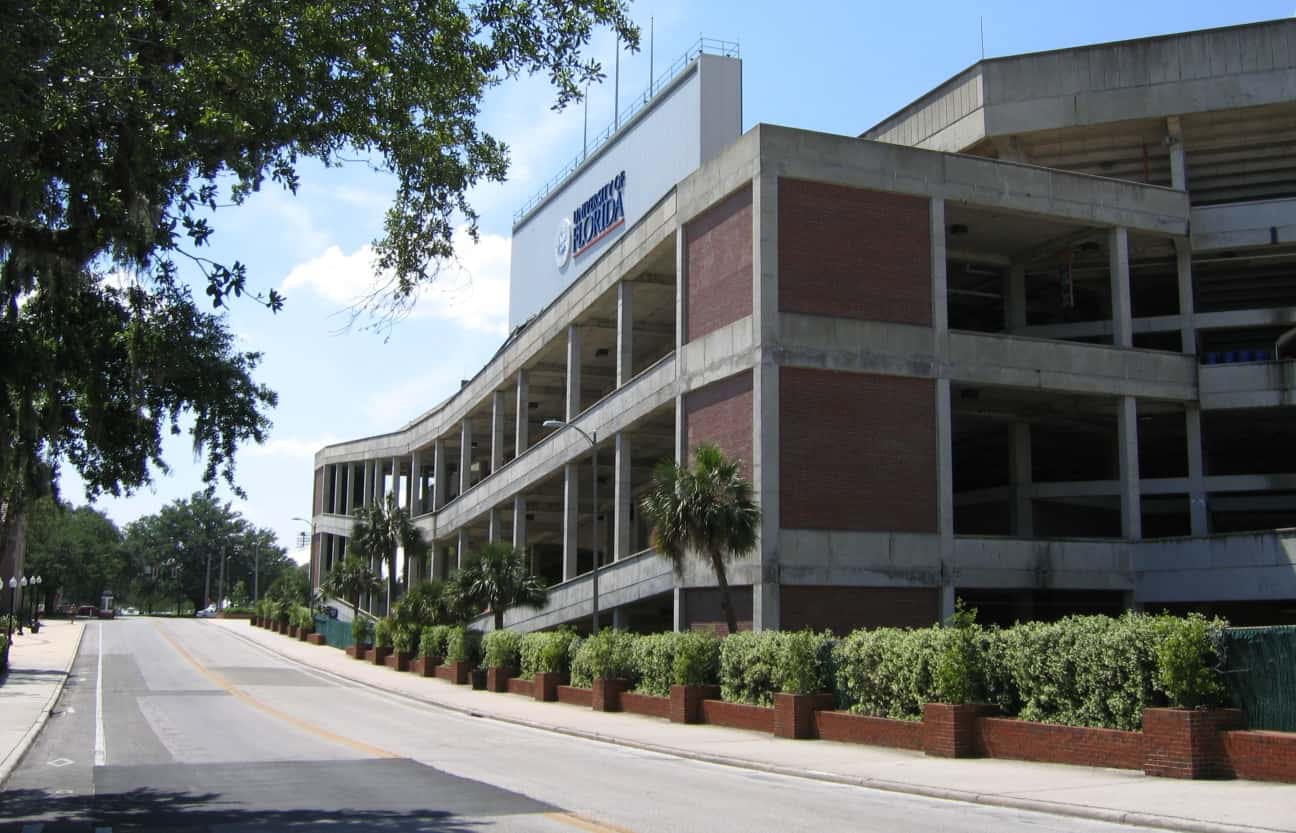
Argentina Advances to the Semifinals at Hard Rock Stadium
Argentina booked its place in the 2026 FIFA World Cup semifinals on Saturday night, defeating Switzerland 3-1 after extra time in a quarterfinal played before a packed house at Hard Rock Stadium in Miami Gardens. The result, decided on July 11, carried the reigning world champions one step closer to defending the title they lifted in 2022.
The match turned on a decisive stretch late in regulation and into extra time, when a Swiss red card and two Argentine goals broke open what had been a taut, one-goal contest. For the crowd inside the South Florida venue, it was a night of nervous energy that finally spilled over into celebration under the lights.
Argentina, led by captain Lionel Messi, will now travel north to face England in a semifinal set for Wednesday, July 15, in Atlanta. England reached the final four by beating Norway in extra time earlier in the round, setting up a heavyweight collision between two of the sport's most storied national programs.
For Miami Gardens, the quarterfinal was another marquee entry in a summer that has put the region at the center of the global game. Hard Rock Stadium has become one of the tournament's most active hosts, and Saturday's drama gave local fans a knockout classic to remember.
How the Quarterfinal Unfolded
Argentina wasted little time asserting itself. In the 10th minute, Alexis Mac Allister found space and finished to put the South Americans ahead, quieting the sizable Swiss contingent and rewarding an aggressive early press. The goal set the tone for a first half in which Argentina controlled possession and dictated the tempo.
Switzerland, however, refused to fold. The Swiss absorbed pressure, stayed compact, and looked to spring forward on the counter whenever Argentina overcommitted. As the match wore on, the underdogs grew into the contest and began to test an Argentine back line that had spent long stretches in control.
The equalizer arrived midway through the second half. Dan Ndoye capitalized on a rare opening to level the score at 1-1, sending a jolt through the stadium and threatening to upend Argentina's path to the semifinals. Momentum, which had belonged almost entirely to the favorites, suddenly felt up for grabs.
For a few tense minutes, Switzerland looked the more dangerous side, energized by its goal and sensing a historic upset. Then the game tilted again, this time in Argentina's favor, through a moment of discipline that would define the outcome.
The Turning Point: Embolo Sent Off
About five minutes after the equalizer, Switzerland was reduced to 10 men. Forward Breel Embolo was shown a second yellow card for diving, an offense the referee judged to be a clear attempt to win an undeserved advantage. The dismissal stripped the Swiss of a key attacking outlet at the worst possible moment.
Down a man and forced to defend deeper, Switzerland shifted its plan from chasing a winner to protecting the draw and pushing for penalties. The extra space, meanwhile, handed Argentina the initiative it needed to reassert control and hunt for a decisive goal in the closing stages of regulation.
The red card underscored a recurring theme in knockout soccer, where a single lapse can swing an evenly matched tie. Switzerland had done the hard work of clawing back into the game, only to see its numerical parity vanish in an instant of ill-judged simulation.
When regulation ended level at 1-1, the match moved to extra time, and Argentina entered the additional 30 minutes with a clear man advantage and fresh belief that it could avoid the lottery of a shootout.
Alvarez and Martinez Close It Out
Argentina made its edge count in the 112th minute. Julian Alvarez pounced to restore the lead at 2-1, a goal that released the tension that had built through nearly two hours of play. The strike rewarded Argentina's persistence and its ability to stretch a tiring, short-handed opponent.
With Switzerland committing bodies forward in a desperate search for another equalizer, space opened at the back. Lautaro Martinez took advantage late, adding an insurance goal to make it 3-1 and putting the result beyond doubt. The two-goal cushion turned a nervy night into a comfortable finish.
The final margin flattered Argentina only slightly. The champions had been the better side for long stretches, and once the numbers tilted in their favor, their quality in the final third proved decisive. Alvarez and Martinez, two of the team's most reliable finishers, delivered when it mattered most.
As the whistle blew, Argentine players and supporters celebrated a hard-earned passage to the semifinals. Switzerland, for its part, departed Miami Gardens with pride intact after pushing the world champions the distance despite the numerical disadvantage.
Miami as a World Cup Host City
Saturday's quarterfinal was one of seven World Cup matches assigned to Hard Rock Stadium during the 2026 tournament, cementing the venue's role as a central hub in the sport's biggest event. The Miami Gardens ground has hosted a steady rotation of high-profile fixtures, drawing international crowds to South Florida throughout the summer.
The stadium's remaining match on the World Cup calendar is the third-place game, scheduled for July 18. That fixture will give the region one more day in the global spotlight before the tournament concludes, and it ensures Hard Rock Stadium finishes its run with a meaningful match rather than a group-stage undercard.
South Florida's appeal as a host has been evident in the atmosphere surrounding each match. The area's deep ties to Latin American and European soccer communities have filled the stands with passionate, knowledgeable fans, and Saturday's Argentina crowd was among the most vocal of the tournament.
The final itself will be played elsewhere, at MetLife Stadium in New Jersey on July 19, but Miami's slate of knockout-round soccer has made it one of the defining venues of the 2026 edition. For a region long associated with the sport, the quarterfinal delivered exactly the kind of night organizers envisioned.
Messi and Argentina's Title Defense
Argentina's run has once again been anchored by Lionel Messi, whose presence continues to shape the team's identity even as a new generation of stars carries an increasing share of the load. His experience in the game's biggest moments remains a steadying influence as the champions chase back-to-back titles.
Around him, players such as Mac Allister, Alvarez, and Martinez have grown into leading roles, giving Argentina a balance of veteran know-how and in-form attacking talent. Saturday's win showcased that blend, with contributions spread across the lineup rather than resting on any single individual.
Defending a World Cup is a notoriously difficult task, and Argentina has navigated the knockout rounds without the comfort of easy results. The extra-time battle with Switzerland was a reminder that even dominant sides can be dragged into uncomfortable, tightly contested affairs at this stage.
Still, the champions have found ways to advance, and their composure once Switzerland went a man down spoke to the belief within the squad. With the semifinals now in view, Argentina remains firmly among the favorites to reach the July 19 final.
A Knockout Round to Remember in South Florida
Saturday's quarterfinal fit a broader pattern of drama that has marked the World Cup's knockout stage in South Florida. The tournament's elimination rounds have delivered tension and swings of momentum, and the Argentina-Switzerland match offered a textbook example of how quickly a knockout tie can change complexion.
The extra-time format placed added demands on both squads, testing depth, fitness, and composure across nearly two hours of play. Switzerland's ability to force the additional period, even before the red card, spoke to the fine margins that separate advancement from elimination at this level of the competition.
For the fans in attendance, the match delivered the full range of emotions that make knockout soccer compelling: an early lead, an equalizer, a sending-off, and a decisive burst of late goals. Few neutral spectators could have asked for a more eventful evening inside the Miami Gardens venue.
The night also reinforced why the World Cup's elimination rounds carry such weight. With no margin for error, every possession takes on heightened significance, and Saturday's contest showed how a single moment can tilt a match that had otherwise been finely balanced between two committed sides.
What Comes Next: England in Atlanta
Attention now turns to Wednesday, July 15, when Argentina meets England in the semifinals in Atlanta. The matchup pits the reigning champions against an English side that has looked resilient throughout the tournament and earned its place with an extra-time victory over Norway.
The clash carries obvious historical weight, given the long and charged rivalry between the two nations on the World Cup stage. For neutral observers, it promises a compelling contrast of styles and a high-stakes test of Argentina's ability to keep its title defense alive.
For fans in Florida, Saturday's quarterfinal was a chance to witness a World Cup knockout match in person, and the region will host one more fixture with the third-place game on July 18. Whether Argentina returns to South Florida depends on results elsewhere, but the tournament's local footprint remains significant to the end.
The winner in Atlanta will advance to the final at MetLife Stadium on July 19, one victory from the sport's ultimate prize. Argentina, having survived a stern examination in Miami Gardens, moves on with its ambitions intact and its most decorated player still chasing another crowning moment. The stakes could hardly be higher, and the champions will carry both the burden and the confidence that come with defending a title on the game's grandest stage. For now, though, the story belongs to a Miami night that produced a quarterfinal worthy of the occasion, and to a team that answered every challenge Switzerland posed.
Spotted an issue with this article?
Have something to say about this story?
Write us a letterComments
No comments yet. Be the first to weigh in.
Related Coverage
Panthers open home schedule against Wild without Barkov and Marchand
35m ago
Rays await Guardians or White Sox in ALCS after sweeping Yankees; Game 1 Monday at Tropicana Field
1d ago

John Carlson scores twice, Dennis Hildeby makes 34 saves as Lightning hold off Wild 3-2
1d ago
Winless Dolphins host Bengals at Hard Rock Stadium seeking first win under Jeff Hafley
1d ago