Citizens Property Insurance Rate Cuts Average 8.7 Percent Statewide as Florida's Insurance Market Stabilizes
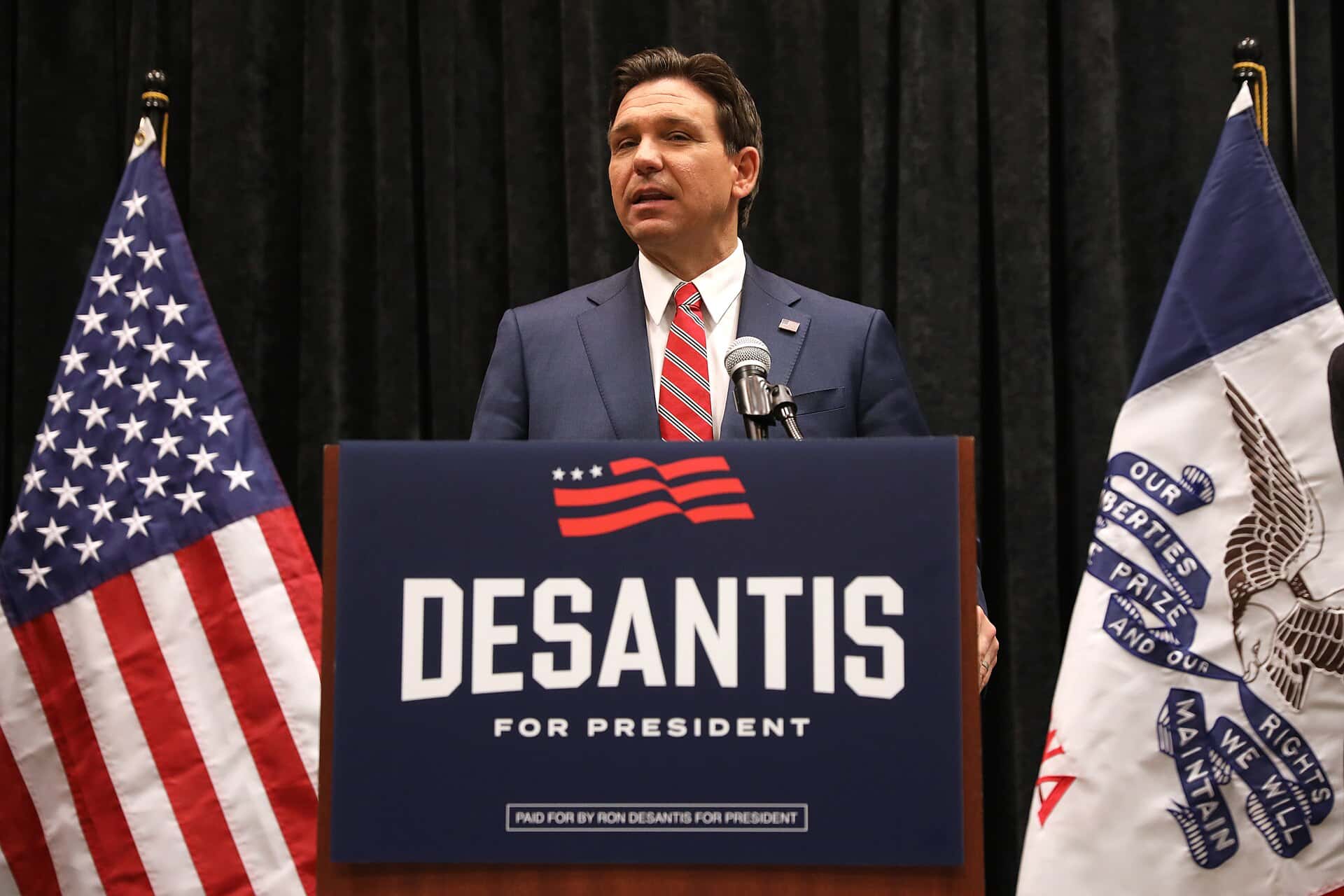
More than 330,000 Florida homeowners insured through Citizens Property Insurance Corporation will see their premiums decrease at policy renewal in 2026, Governor Ron DeSantis announced, citing the rate reductions as evidence that Florida's comprehensive insurance and litigation reforms of recent years are delivering tangible relief to battered policyholders. The statewide average reduction is 8.7 percent, with South Florida counties receiving the steepest cuts after years of disproportionately high premiums driven by what insurers characterized as excessive litigation.
Who Gets the Biggest Cuts
The rate reductions are not uniform across the state, and the counties that stand to benefit most are those where Citizens policyholders have historically faced the highest premiums. Miami-Dade County policyholders will see an average reduction of 14.0 percent, covering approximately 42,000 homes. Broward County policyholders will receive an average cut of 14.1 percent, benefiting roughly 27,000 households. Palm Beach County homeowners insured through Citizens will see an average decrease of 11.9 percent, covering approximately 26,000 policies.
South Florida's outsized reductions reflect the region's disproportionate share of insurance litigation costs in prior years. The tri-county area of Miami-Dade, Broward, and Palm Beach was the epicenter of the assignment of benefits abuse and excessive litigation that Florida insurance industry analysts argue drove private carriers out of the state and pushed Citizens enrollment to record highs. The reforms enacted by the Florida Legislature between 2022 and 2023, which restricted assignment of benefits, imposed one-way attorney fee limitations, and reduced bad-faith litigation exposure for insurers, have apparently reduced loss costs enough in those counties to support premium decreases.
Policyholders in other regions of the state will also see reductions, though in many areas the decreases are more modest. Statewide, the reductions apply across all 67 counties, though the magnitude varies based on local loss experience and the composition of Citizens' book of business in each area.
The Citizens Enrollment Decline
The rate reductions accompany a dramatic shift in Citizens' enrollment figures. As of January 2025, Citizens had approximately 395,144 policies in force, representing a 50 percent reduction from its peak enrollment and the lowest level in 14 years. The decline reflects the largest voluntary transition of policies back to the private insurance market in a decade, as carriers that had exited Florida or suspended new business have returned, attracted by the more favorable regulatory and legal environment created by the state's tort reforms.
At its peak, Citizens served approximately 1.5 million Florida policyholders, making it by far the largest property insurer in the state and raising persistent concerns about the financial exposure it concentrated on the state's books. A major hurricane striking the state with Citizens at peak enrollment could have triggered the corporation's catastrophe bond financing, assessments on all Florida policyholders, and potentially state budget consequences. The dramatic reduction in enrollment distributes that risk back to the private market, where it is reinsured and spread more broadly.
State officials have credited the enrollment decline to a combination of factors: the statutory reforms that made Florida's legal environment more hospitable for private insurers, Citizens' own depopulation efforts that have actively transitioned policies to private carriers who submit competing rate offers, and the return of carriers that had withdrawn from Florida in prior years. Several new domestic insurance companies also entered the Florida market following the 2022 and 2023 reforms, adding competitive capacity and reducing Citizens' role as the insurer of last resort.
Florida's Insurance Market Recovery
The Citizens rate cuts are one indicator of a broader stabilization in Florida's property insurance market, which had been in crisis for several years following a period of catastrophic hurricane losses, pandemic-era supply chain disruptions that inflated reconstruction costs, and the litigation environment that drove loss ratios to unsustainable levels for private carriers. Between 2020 and 2023, more than a dozen Florida property insurance companies became insolvent or withdrew from the market, leaving hundreds of thousands of homeowners scrambling for coverage and driving premiums sharply higher even for homeowners who had never filed a claim.
The legislature's reforms, supported by DeSantis, attacked several of the most acute drivers of the crisis. Eliminating one-way attorney fees in insurance disputes removed the financial incentive for contractors and attorneys to pursue inflated claims through litigation. Restricting assignment of benefits prevented contractors from acquiring the right to pursue insurance claims directly on behalf of homeowners, a practice that had spawned an entire industry of litigation-focused roofing and water damage contractors. And raising the burden of proof in bad-faith lawsuits against insurers reduced the exposure carriers faced from adverse jury verdicts.
The reforms were controversial at the time of passage, with consumer advocates and plaintiff's attorneys arguing they would make it harder for legitimately wronged policyholders to recover what they were owed under their policies. Two years later, the market data suggests the reforms achieved their primary goal of stabilizing private market capacity and reducing the systemic costs that had been passed through to all policyholders in the form of higher premiums. Whether individual policyholders who suffered legitimate claim denials have been disadvantaged remains a contested question.
What Policyholders Should Know
The rate reductions announced for 2026 will apply at policy renewal, meaning Citizens policyholders will see the lower rates when their current policy term expires rather than immediately. Policyholders who renewed recently may not see the rate decrease for several months. Citizens has notified affected policyholders of the upcoming reduction through the corporation's standard renewal notification process.
The rate decrease applies to Citizens' homeowner policies, the largest segment of the corporation's book of business. Other policy types including commercial lines and renters insurance may be subject to different rate actions. Citizens policyholders should review their renewal notices carefully to understand the specific premium change applicable to their policy, as the 8.7 percent statewide average encompasses a wide range of individual outcomes depending on property location, coverage type, and policy characteristics.
For Citizens policyholders who have been receiving renewal offers from private insurers as part of Citizens' depopulation program, the new rate environment may shift the calculus on whether a private market offer is competitive. Homeowners who rejected private carrier renewal offers in prior years because Citizens' rates were lower may find the gap between Citizens and the private market has narrowed further in 2026, making the comparison worth revisiting at renewal time.
Ongoing Challenges in Florida's Insurance Market
Despite the positive signals from Citizens' enrollment decline and rate reductions, Florida's property insurance market continues to face structural challenges that could affect its long-term stability. Reinsurance costs remain elevated globally following several years of catastrophic losses around the world, and Florida carriers must purchase substantial reinsurance to protect themselves against hurricane losses. Those reinsurance costs flow through to the premiums that Florida homeowners pay, limiting how much private market rates can decline even as litigation costs fall.
Climate-related concerns also weigh on Florida's insurance outlook. Rising sea levels, more intense storms, and increasingly severe heat and rainfall events all translate into higher long-term expected losses for property insurers in the state. Some carriers that have returned to Florida following the litigation reforms are proceeding cautiously, writing limited books of business in their highest-risk coastal areas while being more aggressive in inland and lower-risk markets.
The Champlain Towers South condominium collapse in Surfside in 2021 also continues to ripple through Florida's property insurance landscape. The structural inspection and reserve fund requirements that the legislature imposed on Florida condominium associations in response to the collapse are driving significant assessment costs for unit owners in older high-rise buildings, and some associations have had difficulty obtaining or maintaining adequate property insurance coverage as insurers reassess their exposure to aging condominium structures.
What's Next for Citizens
Citizens is expected to continue its depopulation program in 2026, actively working to transition policyholders to private carriers. The corporation's governing board has set targets for further enrollment reduction, and state law creates financial incentives for Citizens to shrink its book of business over time. If the private market continues to stabilize and capacity continues to grow, additional enrollment reductions are likely, further reducing Florida taxpayers' contingent exposure to Citizens' hurricane loss obligations.
Rate actions for future years will be subject to the state's regulatory review process, and Citizens' governing board is required to submit rate filings that reflect the corporation's actual loss experience and financial position. Whether the 2026 reductions represent the beginning of a sustained downward trend in Citizens' rates, or a one-time correction as the worst of the litigation costs work their way through the system, will depend on factors including storm activity, continued private market participation, and whether the legal and regulatory environment created by the 2022 and 2023 reforms holds up in court and in practice.
Broader Affordability Context for Florida Homeowners
The Citizens rate reductions, while welcome news for the more than 330,000 affected policyholders, arrive in the context of a broader affordability squeeze that has made Florida homeownership significantly more expensive than it was five years ago. Property taxes in many Florida counties have risen substantially as assessed values climbed during the pandemic-era housing boom, and while values have moderated more recently, the assessment cycle means that property tax bills often lag price movements by one to two years. The net effect is that for many Florida homeowners, rising property taxes have partially or fully offset reductions in insurance premiums, leaving the total cost of owning a Florida home only modestly improved compared to the difficult years of 2021 through 2024.
The homesteaded property tax exemption that Florida provides to primary residents limits the annual assessment increase on owner-occupied primary residences to three percent under the Save Our Homes amendment, but that protection applies only to the assessed value, not to any changes in millage rates set by counties, school districts, and other taxing authorities. For investors, seasonal residents, and commercial property owners who do not benefit from homestead exemption, property tax exposure has risen more sharply with market values and has not been offset by the assessment cap.
Taken together, insurance cost reductions and stable or moderating home prices have improved Florida's homeownership affordability picture relative to the acute stress period of 2022 through 2024, but affordability remains a significant challenge in coastal and major metro markets where total monthly housing costs, including principal, interest, taxes, and insurance, exceed what many Florida households' incomes can comfortably support. State and local policymakers continue to search for additional tools to address that affordability gap, recognizing that the departure of residents unable to afford Florida's cost of living has begun to contribute to declining school enrollment and workforce availability challenges in some communities.
Spotted an issue with this article?
Have something to say about this story?
Write us a letterComments
No comments yet. Be the first to weigh in.
Related Coverage

Seminole Tribe Sues DraftKings and CEO Jason Robins in Broward, Calling Its Florida Prediction Markets an Illegal Sportsbook
22m ago
Jacksonville council members weigh relief for high JEA bills as utility says it isn't ready for a hyperscale data center
1d ago

Rays to open Westshore ballpark experience center in 2027 as Tampa stadium deal moves ahead
1d ago
New I-95 Interchange at Oslo Road Opens in Indian River County More Than a Year Early
3d ago