Florida Tops July Fourth Travel as Orlando and Miami Draw Record Crowds
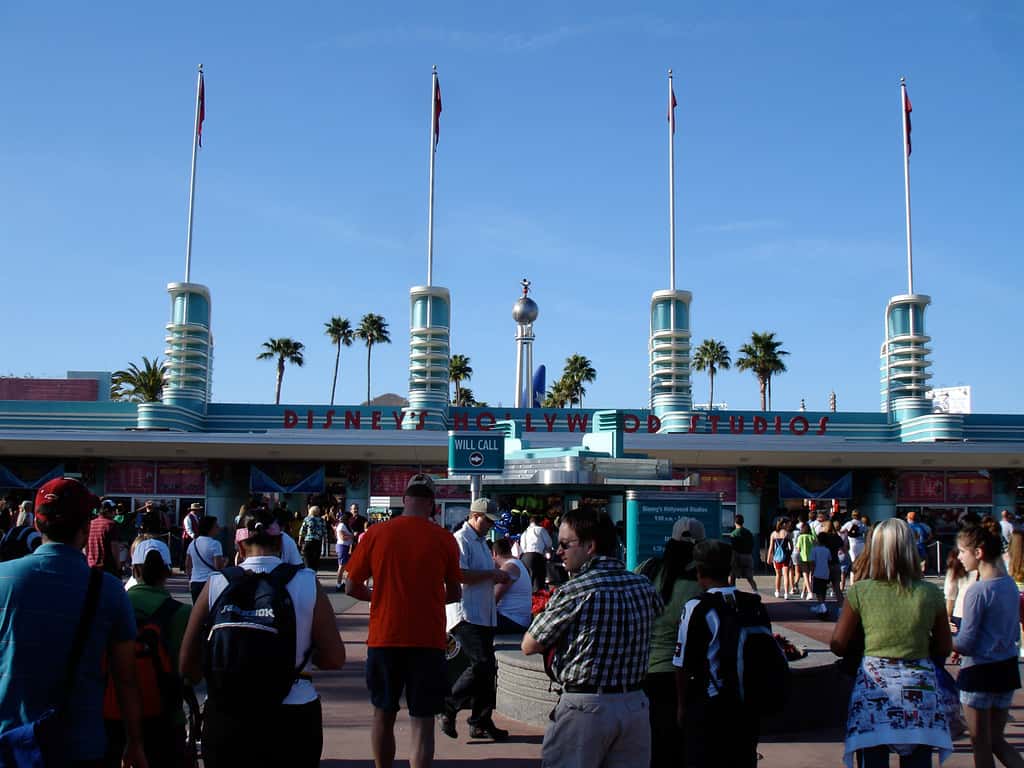
Florida ranked as the top overall travel destination in the United States over the July Fourth 2026 holiday weekend, a stretch that set records for the number of Americans on the move, according to AAA. The travel group reported that the long weekend, which coincided with the nation's 250th anniversary observance known as America250, pushed both air and road travel to record highs nationwide, and Florida absorbed a large share of that demand.
Among individual destinations tracked by AAA, Orlando ranked No. 2 in the country, Miami came in at No. 4, and Fort Lauderdale placed No. 7. The concentration of three Florida metros near the top of the national list underscored the state's continued grip on the leisure travel market during peak summer holidays, even as the celebration of the country's semiquincentennial drew crowds to historic sites elsewhere.
The record turnout carried clear benefits for a state economy that leans heavily on tourism, but it also strained the airports, highways, hotels, and emergency services that absorb the crush. In Palm Beach County, fire crews spent the weekend responding to a string of fireworks-related fires, a reminder that record celebration brings record risk alongside record spending.
Florida Leads a Record-Setting Holiday
AAA framed the 2026 Independence Day period as one of the busiest on record for American travel, with both air and road figures reaching new highs. The overlap with America250, the yearlong commemoration of the Declaration of Independence signed in 1776, gave the holiday added weight and encouraged families to build longer trips around the long weekend rather than a single day off.
Florida's position at the top of the national destination list reflects a familiar pattern. The state combines warm-weather beaches, marquee theme parks, cruise ports, and a dense network of airports that together make it a default choice for summer travelers from colder and pricier parts of the country. AAA's ranking placed the state ahead of every other destination in the nation for the holiday period.
The presence of Orlando, Miami, and Fort Lauderdale in the top seven individual destinations shows how broadly the demand spread across the peninsula. Central Florida's theme park corridor, South Florida's beaches and nightlife, and the cruise terminals along both coasts each pulled distinct segments of the traveling public, spreading the economic gains beyond any single region.
For a state where tourism supports a large share of jobs and tax revenue, a record holiday weekend translates into a meaningful boost. Sales tax collections tied to lodging, dining, and attractions tend to spike during peak periods, and Florida's reliance on those receipts, in a state with no personal income tax, makes strong travel numbers more than a seasonal curiosity.
Orlando and the Theme Park Engine
Orlando's No. 2 national ranking placed Central Florida's theme park cluster near the center of the holiday surge. The region's major resorts function as a self-contained travel economy, drawing visitors who book multiday stays, fill surrounding hotels, and spend across restaurants, retail, and transportation well beyond the park gates.
Peak holiday attendance tests the operational limits of those parks. Long entry lines, packed parking structures, and heavy demand on food service and ride capacity are typical features of a record weekend, and operators generally staff up and extend hours to manage the load. The scale of the crowds also feeds into the broader Central Florida labor market, which depends on hospitality and service employment.
The ripple effects reach Orlando International Airport, one of the busiest in the state, which handles a large volume of domestic and international arrivals during holiday peaks. Record air travel nationally, as reported by AAA, tends to show up acutely at Florida gateways, where inbound leisure demand concentrates rather than balancing against heavy outbound business traffic.
The strength of the Orlando draw also carries a note of caution for planners. A destination that repeatedly ranks near the top nationally faces mounting pressure on roads, water, and public services, and sustained record demand raises longer-term questions about capacity that extend well past any single holiday weekend.
South Florida's Beaches and Ports
Miami's No. 4 ranking and Fort Lauderdale's No. 7 placement highlighted South Florida's pull as a distinct holiday market. The region's appeal rests less on theme parks and more on beaches, dining, nightlife, and its role as a hub for cruise departures, drawing a mix of domestic and international visitors.
The cruise terminals in the region are among the busiest in the world, and holiday weekends often align with heavy sailing schedules. Travelers flying in to board ships add to airport congestion at Miami International and Fort Lauderdale-Hollywood International, and their pre-cruise and post-cruise stays feed the surrounding hotel and restaurant economy.
South Florida also draws international visitors in numbers that many other U.S. destinations cannot match, a factor that helps insulate the region's tourism economy from swings in domestic demand alone. The combination of beach tourism, cruise traffic, and international arrivals gives Miami and Fort Lauderdale a diversified base that showed through in the holiday rankings.
As with Orlando, the benefits arrive alongside strain. Beach access points, causeways, and coastal roadways face heavy loads during holiday peaks, and local governments deploy additional public safety resources to manage crowds, traffic, and the fireworks displays that anchor the celebration.
What Record Tourism Means for the Economy
Tourism sits at the core of Florida's economic model, and a record holiday weekend reinforces the sector's central role. Visitor spending flows through hotels, restaurants, attractions, rental cars, and retail, and the sales taxes generated help fund state and local budgets in a state that forgoes a personal income tax.
The employment picture is closely tied to these swings. Hospitality and leisure jobs make up a substantial slice of Florida's workforce, and peak periods drive additional hiring, extended shifts, and overtime across the service economy. Strong holiday demand tends to support that labor base, though it also exposes workers and employers to the volatility of a tourism-dependent model.
Airports and highways absorb much of the pressure. Record air travel, as AAA described it, concentrates at Florida's major gateways, while interstate corridors such as I-4, I-95, and the Florida Turnpike carry heavy holiday road traffic. The state's transportation infrastructure faces recurring stress tests during these peaks, and record volumes sharpen the debate over long-term capacity investment.
Sustained records also raise a strategic question for policymakers and industry leaders: how to convert peak demand into durable, year-round strength rather than a series of holiday spikes. The answer shapes decisions on infrastructure, workforce housing, and the balance between growth and the quality-of-life concerns that heavy tourism can aggravate.
Fireworks Strain in Palm Beach County
The celebration carried a cost that fell to emergency responders. Palm Beach County Fire Rescue reported responding to 29 fireworks-related fires over the holiday weekend, a tally that illustrated the safety burden that accompanies record festivities.
According to the agency's breakdown, the incidents included 11 brush fires, 15 trash or dumpster fires, two structure fires, and one classified as miscellaneous. The mix pointed to the range of hazards fireworks pose, from dry vegetation ignited by stray sparks to debris fires in bins and, in the most serious cases, damage to buildings.
Brush fires are a particular concern during Florida summers, when heat and periodic dry spells can leave vegetation primed to catch. Fireworks landing in undeveloped lots or roadside brush can spread quickly, and fire officials across the state routinely urge residents to keep water on hand and to avoid setting off devices near dry ground.
The Palm Beach County figures offer a snapshot of the strain that plays out statewide each Fourth of July, as fire and rescue agencies brace for a spike in calls. Record travel and record celebration converge on the same weekend, and the safety demands scale up alongside the economic gains.
Balancing Growth and Strain
The 2026 holiday captured a tension that runs through Florida's tourism economy: the same crowds that deliver record revenue also test the systems that keep the state running. Roads, airports, utilities, and public safety agencies all feel the load, and each record weekend adds to the case for investment that keeps pace with demand.
Florida's leaders have long treated tourism as a pillar worth protecting, and the state markets itself aggressively to domestic and international visitors. The payoff shows in rankings like AAA's, where Florida and its major metros dominate the national list, but the recurring strain points to the limits of a model built on ever-higher peaks.
For residents, the holiday brings a familiar trade-off. The economic vitality that tourism supports arrives packaged with congestion, crowded beaches, and stretched services during the busiest weekends. How the state manages that balance will shape the experience of both visitors and the people who live where the visitors go.
The America250 backdrop added a layer of meaning to the 2026 celebration, tying a record travel weekend to a national milestone. For Florida, the anniversary offered another reason for people to travel, and the state once again proved to be where a record number of them chose to go.
What's Next
Attention now turns to whether the record holiday demand carries through the rest of the summer travel season, historically a strong stretch for Florida destinations. Industry watchers will look to hotel occupancy, airport passenger counts, and attraction attendance in the weeks ahead for signs of whether the July Fourth surge marks a durable trend or a holiday spike.
Emergency officials, meanwhile, will continue urging fireworks caution through the summer, particularly during dry periods when brush fire risk climbs. The Palm Beach County tally serves as a reminder that the safety demands of peak celebration extend beyond the holiday itself.
Longer term, the pressure on Florida's roads, airports, and public services is likely to keep the debate over infrastructure capacity in focus. As long as the state keeps ranking at the top of national travel lists, the question of how to accommodate record crowds without eroding quality of life will remain central to Florida's growth story.
Spotted an issue with this article?
Have something to say about this story?
Write us a letterComments
No comments yet. Be the first to weigh in.
Related Coverage

Seminole Tribe Sues DraftKings and CEO Jason Robins in Broward, Calling Its Florida Prediction Markets an Illegal Sportsbook
1h ago
Jacksonville council members weigh relief for high JEA bills as utility says it isn't ready for a hyperscale data center
1d ago

Rays to open Westshore ballpark experience center in 2027 as Tampa stadium deal moves ahead
1d ago
New I-95 Interchange at Oslo Road Opens in Indian River County More Than a Year Early
3d ago