Miami Ranks Second Nationally for Luxury Home Price Gains
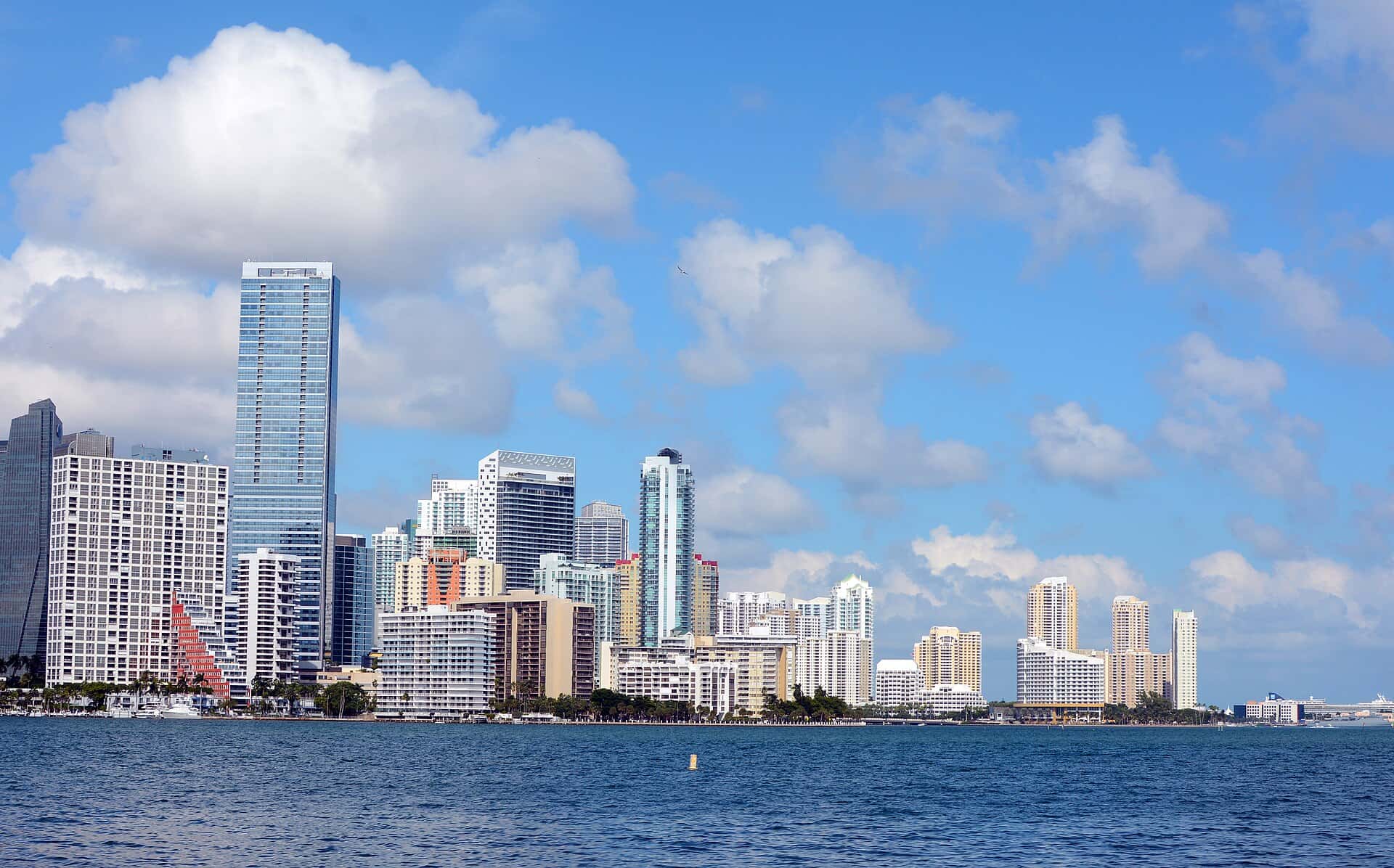
Miami ranked No. 2 among U.S. metropolitan areas for luxury home price increases in 2026, according to a new report from the real estate brokerage Redfin. The ranking places South Florida's high end near the front of the national pack at a moment when much of the broader housing market has cooled under the weight of elevated borrowing costs.
What sets Miami's luxury segment apart, according to the report, is who is buying and how. The top of the market remains heavily driven by cash buyers along with out-of-state and international demand, a combination that largely sidesteps the mortgage-rate pressure squeezing the middle of the market. That insulation helps explain why prices at the high end have continued climbing even as affordability tightens for typical buyers.
The result is a widening divide within a single housing market. In neighborhoods like Brickell and along the coastal condo corridors, well-capitalized buyers keep bidding, while much of the rest of the region contends with prices and costs that have stretched budgets. The Redfin ranking captures a luxury boom that appears, for now, to run on its own set of rules.
What the Redfin Ranking Shows
Redfin's report placed Miami second nationally for luxury home price growth in 2026, a standing that reflects sustained demand at the upper reaches of the market. The luxury tier, generally defined by the most expensive slice of homes in a given metro, has behaved differently from the mid-market throughout the current cycle, and Miami's ranking underscores how pronounced that gap has become.
The brokerage attributed much of Miami's strength to the profile of its high-end buyers. Cash purchases, which remove financing from the equation entirely, feature prominently at the top of the market. When a buyer does not need a mortgage, the interest-rate environment that governs affordability for most households becomes largely irrelevant to the decision.
That dynamic gives the luxury segment a measure of independence from the forces weighing on the broader market. While higher borrowing costs have slowed activity and pressured prices for mid-market buyers who depend on financing, the cash-heavy top tier has continued to appreciate, lifting Miami into the national rankings.
Redfin's data positions Miami as an outlier in a national landscape where many markets have seen luxury growth moderate. The ranking suggests that the factors drawing wealth to South Florida remain firmly in place, sustaining demand for the region's most expensive properties.
Cash Buyers and the Rate-Proof Top Tier
The prevalence of cash buyers is central to understanding why Miami's luxury market has stayed hot. In a financing-dependent market, rising rates raise monthly payments, shrink purchasing power, and push some buyers to the sidelines. In a cash market, those mechanics fall away, and demand responds instead to wealth, migration, and the appeal of the asset itself.
South Florida's high end has long attracted buyers who purchase outright, and that pattern has intensified as affluent households have relocated to the region. For these buyers, a luxury condo or waterfront home functions as both a residence and a store of value, and the decision to buy hinges more on lifestyle and wealth preservation than on the cost of credit.
The rate-proof character of the top tier stands in sharp contrast to the mid-market, where mortgage costs have become a defining constraint. That divergence is the crux of the Redfin finding: two segments of the same metro moving in different directions, one governed by financing conditions and the other largely detached from them.
The distinction matters for anyone reading the health of the Miami market. Headline strength at the luxury level does not necessarily signal broad-based demand, and the forces lifting the high end are specific to a buyer pool that most households cannot join.
Brickell, the Coast, and Where the Money Goes
Much of the luxury activity concentrates in signature areas. Brickell, Miami's dense financial and residential core, has become a magnet for high-end condo demand, its skyline of towers packed with the kind of amenity-rich units that appeal to affluent domestic and international buyers.
Along the coast, waterfront condos and homes command premiums that reflect scarcity and prestige. Limited shoreline, strict development constraints, and enduring demand for water access combine to keep prices elevated in these corridors, and they remain focal points for the cash buyers driving the market.
These neighborhoods also draw international capital in a way that few U.S. markets can match. Miami has long served as a gateway for buyers from Latin America and beyond who value the city's connectivity, climate, and role as a hub for finance and trade, and that international demand adds a layer of support beneath the luxury segment.
The geographic concentration of the boom reinforces the split within the market. The appreciation Redfin measured is not evenly distributed across the region but clustered in the high-demand cores and coastal strips where the wealthiest buyers compete, sharpening the contrast with the broader metro.
The Migration of Wealth to Florida
Behind Miami's luxury strength lies a broader migration of wealth to Florida. Affluent households and, in some cases, entire firms have relocated to the state in recent years, drawn by its tax structure, climate, and business environment. Florida's lack of a personal income tax is a recurring draw for high earners weighing a move from higher-tax states.
That migration has fed directly into the top of the housing market. As wealthy newcomers arrive, they bring demand for the region's most expensive properties, and their frequent reliance on cash purchases amplifies the effect. The Redfin ranking can be read as one measure of that wealth transfer showing up in home prices.
Miami's emergence as a finance and technology destination has reinforced the trend. The clustering of investment firms and high-income professionals in and around the city has expanded the pool of buyers capable of competing at the luxury level, sustaining upward pressure on prices in the core neighborhoods.
Whether the migration continues at its recent pace is an open question, but for now it remains a structural support for the high end. As long as affluent buyers keep choosing South Florida, the demand underpinning the luxury market is likely to persist independent of interest-rate swings.
Property Taxes and Insurance at the High End
Owning at the top of the Florida market carries costs that extend well beyond the purchase price. Property taxes on multimillion-dollar homes can be substantial, and high-end buyers weigh those recurring obligations as part of the total cost of ownership even when they pay cash for the property itself.
Insurance is a particular consideration in South Florida, where exposure to hurricanes and coastal flooding has driven premiums higher and complicated coverage. For waterfront and coastal properties, the cost and availability of insurance factor heavily into ownership decisions, and the state's broader property insurance challenges reach even the luxury tier.
For cash buyers, these carrying costs matter differently than they do for financed buyers. Without a mortgage lender requiring coverage, some owners face choices about how to manage risk, though the value concentrated in luxury properties gives most owners strong incentive to insure. The interplay of taxes, insurance, and risk shapes the economics of high-end ownership in ways specific to Florida.
These costs also serve as a partial check on the market. Rising insurance premiums and tax obligations add to the long-run expense of holding luxury real estate, a factor that buyers increasingly weigh as they assess whether South Florida's high end remains an attractive place to park wealth.
Is the Boom Sustainable?
The durability of Miami's luxury surge depends on whether the forces driving it hold. The migration of wealth, the flow of international capital, and the prevalence of cash buyers have combined to lift the top of the market, and the boom's staying power rests on those factors remaining intact.
There are reasons for caution. A market concentrated among a narrow pool of wealthy buyers can prove sensitive to shifts in broader economic conditions, financial market swings, or changes in the migration patterns that have fed demand. Rising insurance and tax costs add further pressure over time, and concentrated appreciation can raise concerns about how much room remains for further gains.
At the same time, the structural draws that brought wealth to Florida show little sign of reversing. The tax environment, climate, and Miami's growing stature as a finance hub continue to attract affluent buyers, and the limited supply of prime coastal and core inventory supports prices even as costs rise.
The affordability divide the boom reflects is likely to remain a defining feature of the market. A luxury tier detached from mortgage rates can keep climbing while the mid-market struggles, leaving South Florida with two housing stories running side by side and a widening gap between them.
What's Next
The path ahead for Miami's luxury market will hinge on whether cash-driven, out-of-state, and international demand continues at its recent strength. Analysts will watch inventory levels in Brickell and along the coast, the pace of high-end sales, and any signs that the wealth migration into Florida is slowing.
The mid-market will bear watching as well, since the divergence between the two tiers is central to the story. Should borrowing costs shift, the gap between the rate-proof top and the financing-dependent middle could narrow or widen, reshaping the overall picture of South Florida housing.
For policymakers, the affordability divide the luxury boom highlights is likely to stay in focus, as is the pressure that insurance and tax costs place on ownership across the market. The Redfin ranking marks a moment of strength at the high end, but the questions it raises about who can afford to live in South Florida will outlast any single report.
Spotted an issue with this article?
Have something to say about this story?
Write us a letterComments
No comments yet. Be the first to weigh in.
Related Coverage

Seminole Tribe Sues DraftKings and CEO Jason Robins in Broward, Calling Its Florida Prediction Markets an Illegal Sportsbook
1h ago

Jacksonville council members weigh relief for high JEA bills as utility says it isn't ready for a hyperscale data center
1d ago

Rays to open Westshore ballpark experience center in 2027 as Tampa stadium deal moves ahead
1d ago
New I-95 Interchange at Oslo Road Opens in Indian River County More Than a Year Early
3d ago