Cruise Lines Deepen Florida Ties as Royal Caribbean and Carnival Expand Port Offerings
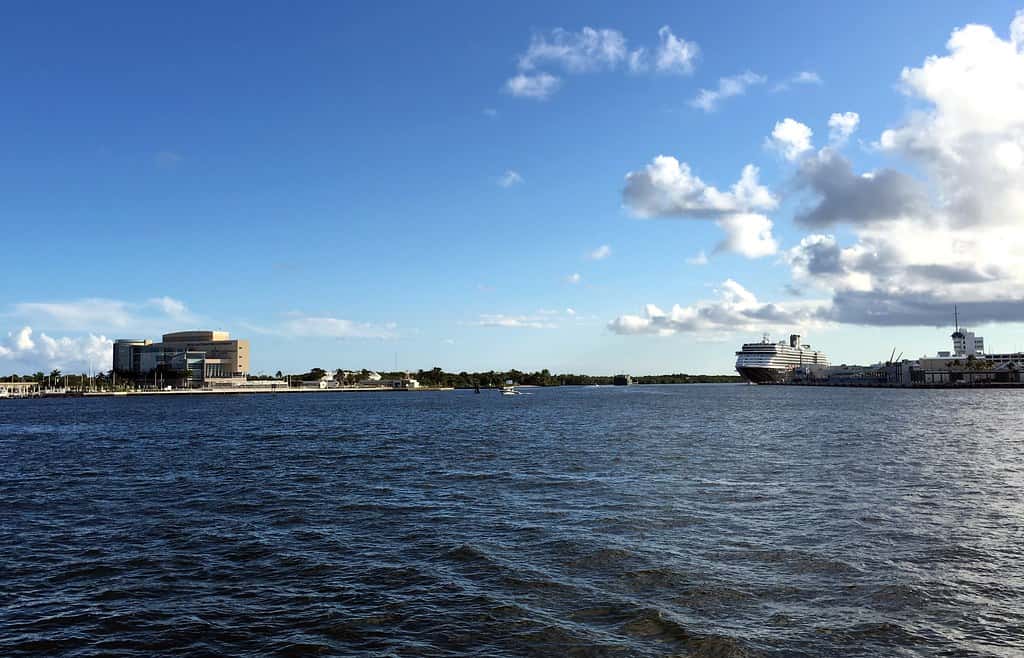
The major cruise lines are deepening their already substantial ties to Florida, with Royal Caribbean preparing to base one of its largest new ships at Port Everglades and Carnival unveiling additional itineraries from Miami and Port Canaveral. The moves underscore the central role Florida's ports play in the global cruise industry, an economic engine that supports jobs, tourism, and commerce across the state's coastal regions.
Royal Caribbean's plans
Royal Caribbean's new ship, Legend of the Seas, described as one of the world's largest cruise ships, is expected to begin Florida-based Caribbean cruises from Port Everglades in Fort Lauderdale later in 2026. According to industry coverage, the vessel departed its European shipyard in June ahead of an initial maiden voyage in the Mediterranean before it repositions to serve the Florida market. The ship's arrival will add significant capacity to the state's cruise operations.
Basing a large new ship in Florida reflects the strategic importance of the state's ports to the cruise industry. Port Everglades is one of the busiest cruise ports in the world, and the addition of a major vessel reinforces its standing. The deployment of new ships to Florida homeports is a recurring pattern as cruise lines position their fleets to serve the lucrative Caribbean market.
The introduction of a large new ship carries implications for the port and the surrounding region, from the passengers it brings to the operations required to support it. Cruise ships generate activity for the ports that host them and for the businesses that serve cruise travelers. The arrival of Legend of the Seas at Port Everglades will contribute to that activity in South Florida.
The repositioning of a flagship vessel across the Atlantic is itself a logistical undertaking that signals how much value cruise lines place on the Florida market. Ships built or refitted at European yards frequently spend a season in the Mediterranean or Northern Europe before crossing to serve Caribbean routes from a Florida base, aligning their heaviest deployment with the periods of strongest demand. That seasonal rhythm has long favored the state's ports, which offer year-round access to warm-weather destinations and a deep pool of travelers within driving distance.
Carnival's expansion
Carnival Cruise Line has unveiled additional itineraries for the 2026 and 2027 period, including new sailings departing from Miami and Port Canaveral aboard multiple ships. According to industry coverage, the expanded offerings span a range of vessels and voyage types, reflecting Carnival's continued investment in its Florida-based operations. Miami and Port Canaveral are among the most active cruise ports in the state.
Expanding itineraries from Florida homeports allows Carnival to offer travelers a variety of cruise options departing from the state's ports. The Florida market is central to the cruise industry, given its proximity to Caribbean destinations and its extensive port infrastructure. Carnival's additional sailings reinforce the state's role as a primary embarkation point for cruises.
The variety of ships and itineraries reflects the breadth of the cruise market and the demand for cruise vacations departing from Florida. Different vessels and voyage lengths cater to different travelers, and the expanded offerings give passengers more choices. The continued investment signals confidence in the strength of the Florida-based cruise business.
Port Canaveral, on Florida's Space Coast, has grown into one of the country's leading embarkation points and benefits from its position within reach of the Orlando visitor market. Miami, long branded as a cruise capital, anchors South Florida's maritime economy alongside its role in trade and travel. Spreading additional Carnival sailings across both ports lets the line draw from distinct pools of travelers while making fuller use of Florida's terminal capacity, a practical advantage when demand for cruise vacations runs high.
The Florida context
Florida is the global center of the cruise industry, home to some of the world's busiest cruise ports, including PortMiami, Port Everglades, and Port Canaveral. Those ports serve as embarkation points for millions of passengers each year, anchoring an industry that contributes significantly to the state's economy. The expansion of offerings by major lines reinforces Florida's dominant position.
The cruise industry supports a wide range of economic activity in Florida, from port operations and provisioning to the hospitality businesses that serve cruise travelers before and after their voyages. Passengers who fly in to embark on cruises often stay in hotels, dine in restaurants, and spend money in the surrounding areas. That activity ripples through the coastal communities that host the ports.
The industry's health matters to Florida's tourism-driven economy, and the deployment of new ships and expanded itineraries signals ongoing strength. The Caribbean, easily accessible from Florida's ports, remains a leading cruise destination, drawing a large share of global cruise capacity. Florida's ports are the gateway to that market, giving the state a central role in the industry.
The state's advantages are structural as well as geographic. A dense network of airports feeds passengers to the coastal terminals, and the concentration of cruise lines with corporate offices in the region keeps decision-making close to the ports themselves. Provisioning supply chains, ship repair capacity, and a workforce experienced in maritime operations have developed around that concentration over decades, creating conditions that are difficult for rival regions to replicate quickly.
Infrastructure and capacity
Sustaining Florida's position depends on the ability of its ports to accommodate ever-larger ships and rising passenger volumes. Cruise terminals require deep channels, expansive parking, and gangways and baggage systems sized for the newest vessels, and Florida's leading ports have generally kept pace by investing in terminal upgrades and berth improvements. The arrival of a large new ship at Port Everglades illustrates the demand these facilities are built to serve.
Capacity is not only a matter of docks and terminals. Ground transportation, hotel inventory, and staffing all scale with the number of passengers moving through a port on a given day, and turnaround days for large ships place concentrated pressure on surrounding roads and services. The coastal communities that host Florida's ports have an interest in ensuring that infrastructure keeps pace with the industry's growth so that the economic benefits are not offset by congestion or strain on local resources.
Balancing growth with those local considerations is a recurring theme wherever cruise operations expand. For Florida, the expanded offerings from Royal Caribbean and Carnival add to passenger throughput that ports and neighboring communities must plan around. The continued investment by the lines suggests they expect the state's facilities to support their fleets well into the future. Port authorities in Florida have long treated terminal modernization as a competitive necessity, and the pattern of upgrades tends to track the size and frequency of the ships the lines choose to base there.
What it means for Floridians
For residents of the port communities, the cruise industry provides employment and economic activity, from jobs at the ports themselves to positions in the businesses that serve travelers. The expansion of cruise operations sustains and can grow that economic contribution. The addition of a major new ship and expanded itineraries supports the industry's footprint in the state.
For Florida travelers, the expanded offerings mean more cruise options departing from the state's ports, providing convenient access to Caribbean voyages. Residents can embark on cruises from nearby ports without the need to travel far, an advantage of living in the cruise industry's global hub. The variety of ships and itineraries broadens the choices available to local travelers.
The industry's activity also intersects with the broader tourism economy that is central to Florida. Cruise travelers contribute to the hospitality sector, and the ports serve as a draw for visitors. The continued investment by major cruise lines reflects the enduring appeal of Florida as a cruise gateway and its importance to the state's tourism-driven economy.
The industry's trajectory
The cruise industry has continued to grow, with the Caribbean attracting a large and increasing share of global cruise capacity. Florida's ports, positioned as the primary gateways to that market, benefit directly from the industry's expansion. The deployment of new ships and additional itineraries reflects the demand for cruise vacations and the industry's investment in serving it.
Cruise lines continue to introduce larger and more elaborate ships, with new vessels offering expanded amenities to attract travelers. The arrival of a major new ship at a Florida port exemplifies that trend, adding capacity and drawing attention. The competition among lines to offer compelling experiences drives ongoing investment in fleets and itineraries.
For Florida, the industry's trajectory means continuing activity at its ports and sustained economic contribution to its coastal communities. The state's established infrastructure, proximity to Caribbean destinations, and large market position it to remain the center of the cruise industry. The expansions by Royal Caribbean and Carnival reinforce that standing.
Competition among ports, not only among lines, also shapes the industry's direction. Ports elsewhere in the United States and the Caribbean court cruise business, yet Florida's combination of scale, infrastructure, and proximity to popular destinations has kept it ahead. Each new deployment of a large ship or additional slate of itineraries to a Florida homeport is a signal that the lines continue to view the state as the most efficient base for reaching the Caribbean market.
What's next
Royal Caribbean's Legend of the Seas is expected to begin its Florida-based cruises from Port Everglades later in 2026, following its initial voyages elsewhere. The ship's arrival will add capacity to the South Florida market and contribute to the port's operations. Its deployment will be a notable addition to the state's cruise fleet.
Carnival's expanded itineraries from Miami and Port Canaveral will roll out over the 2026 and 2027 period, offering travelers additional options. The new sailings will contribute to the activity at those ports and to the choices available to cruise passengers. The continued investment reflects the strength of the Florida-based business.
For Florida's ports and coastal communities, the expansions by the major cruise lines signal ongoing activity and economic contribution. As the cruise industry continues to grow and invest in the state, Florida remains at the center of the global cruise business. The moves by Royal Caribbean and Carnival are the latest chapter in that continuing story.
Spotted an issue with this article?
Have something to say about this story?
Write a letter to the editorComments
No comments yet. Be the first to weigh in.
Related Coverage

Supreme Court Opens New Term Oct. 5 With Florida's Six-Person Felony Juries on the Docket
17h ago

Rubio Calls Cuba a Failed State, Warns Havana Cannot Wait Out Trump as South Florida Watches
18h ago

No Shutdown at Fiscal Year's End: What the Dec. 11 Funding and Flood Insurance Deadline Means for Florida
19h ago

The Fed's First Rate Hike Since 2023 Pushes Mortgages Past 7% and Freezes Florida's Housing Market
1d ago