DeSantis Backs Call for New Special Session on Medical Freedom and AI Bill of Rights
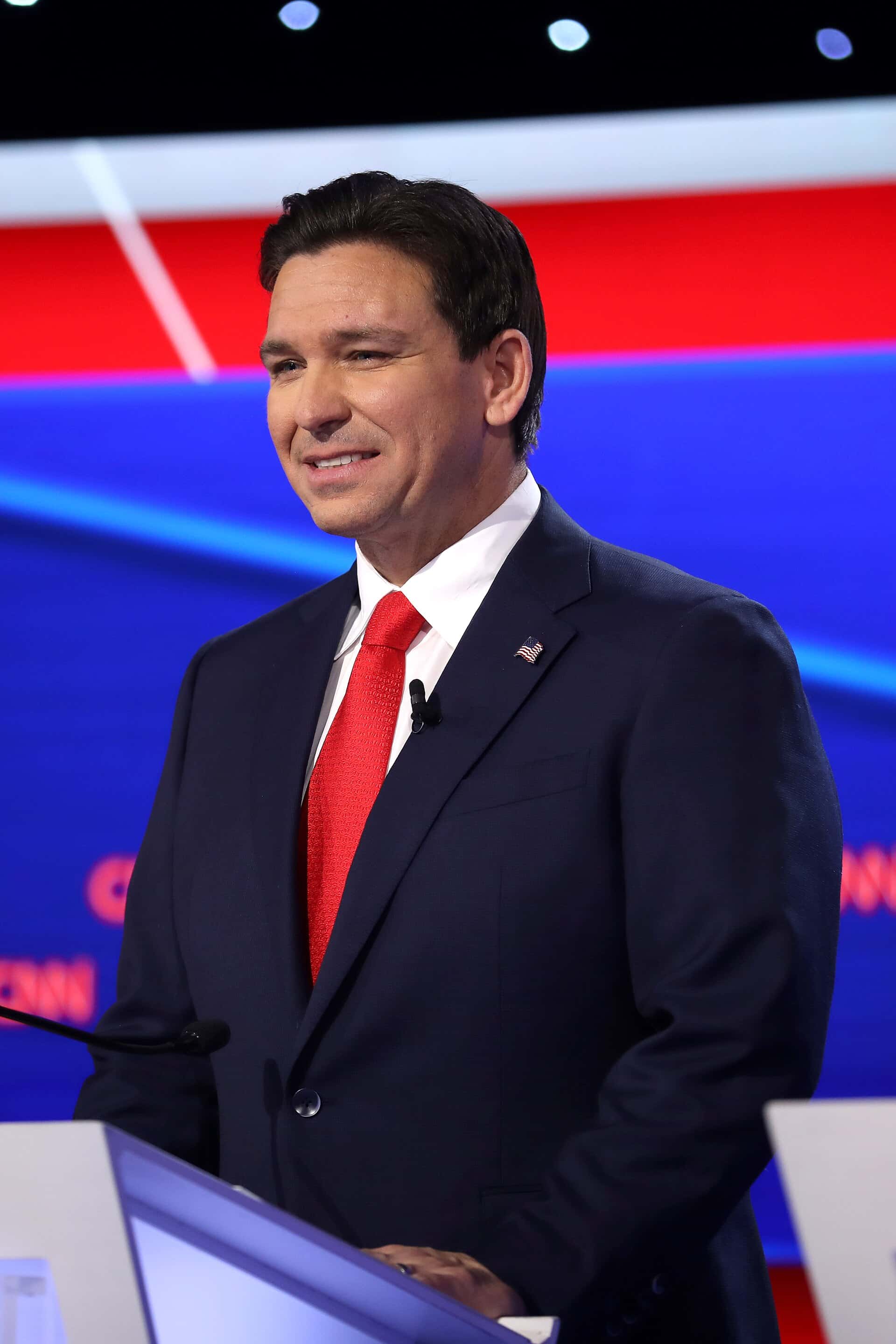
Governor Ron DeSantis publicly endorsed a renewed call for the Florida Legislature to return to Tallahassee for a special session, adding his weight to a push to revive two measures the Florida House declined to pass during the 2026 regular session. The governor's comments, reported Friday, said the House "needs to take a mulligan and get right with the voters."
The two bills at issue are a medical freedom package and what supporters call an artificial intelligence bill of rights. Both cleared the Florida Senate during the 2026 legislative session. Neither received a vote in the Florida House under outgoing Speaker Daniel Perez.
The renewed push comes at an unusual moment in the legislative calendar. Perez is set to leave the speakership, with Representative Wyman Duggan scheduled to assume the position later this month. That transition places the decision about whether to convene a session in the hands of new chamber leadership within days of taking the gavel.
How the standoff developed
Florida's 2026 regular session produced substantial legislation, but the two measures now under discussion stalled in the House. Under Florida's bicameral process, a bill must pass both chambers in identical form before reaching the governor's desk, so Senate passage alone left both proposals dead at the end of session.
The medical freedom package, as advanced in the Senate, has been described by supporters as an effort to limit government and institutional mandates related to medical treatment and to expand patient discretion. The artificial intelligence measure has been framed by its backers as establishing individual rights and protections governing how automated systems handle personal information and make consequential decisions.
Neither bill's failure was accompanied by a formal House explanation, and House leadership did not schedule either for a floor vote. Legislative staff analyses filed during session remain the authoritative public record of what each proposal would have done.
Florida law provides two routes to a special session. The governor may call one and set its subject matter, or the Legislature may convene itself through a joint proclamation, which historically requires substantial agreement among legislative leaders. DeSantis has used the gubernatorial call route several times during his tenure, including for the property tax session held earlier this year.
The role of the governor's race
The push has become entangled with the Republican primary for governor, which concludes Tuesday. Former House Speaker Paul Renner, who is a candidate in that primary, issued the statement calling for lawmakers to return and take up both measures. Renner wrote that he was calling on the Legislature to come back for a special session and get two major priorities across the finish line.
Renner's position carries a particular political charge because he previously held the office now responsible for scheduling the bills. His campaign has centered heavily on health care policy, and he released a health platform earlier in the cycle built around expanded patient choice and reduced mandates.
DeSantis, who is term-limited and cannot seek reelection, has not been neutral in the broader policy debate even as he approaches the end of his tenure. His endorsement of the special session call places additional public pressure on incoming House leadership at a moment when legislative attention would ordinarily be turning toward committee weeks ahead of the next regular session.
Whether the call produces an actual session remains unresolved. Special sessions carry real costs in staff time and travel, and legislators returning to Tallahassee in an election year face their own campaign calendars.
What a special session would involve
Florida special sessions are limited in scope to the subjects specified in the call or proclamation. That structure means a session convened for medical freedom and artificial intelligence legislation could not, absent an amended call, be used to take up unrelated matters such as property taxes or the state budget.
DeSantis has previously amended a special session call to broaden its subject matter, and reporting earlier in the year indicated an amended call that swept in congressional redistricting, artificial intelligence and medical freedom topics. Any new session would need its own formal call document specifying what lawmakers may consider.
Sessions convened outside the regular calendar typically run days rather than weeks. Bills still must clear committee references or have those references waived, pass both chambers, and be presented to the governor. That compressed process leaves limited room for amendment and public testimony compared with a regular session.
The state Constitution sets the framework for these procedures, and the Legislature's own rules govern the mechanics of committee waivers and floor scheduling within a special session.
What it means for Floridians
For most residents, the immediate practical consequence of the standoff is that two significant policy proposals remain unenacted. Floridians who supported either measure will not see it take effect unless lawmakers return, or unless the bills are refiled and passed in a future regular session.
The artificial intelligence proposal has drawn attention from technology and business groups because Florida has actively courted data center investment and advanced technology employers. Rules governing automated decision-making could affect insurers, lenders, employers and health systems operating in the state, all sectors with large Florida workforces.
The medical freedom package intersects with a broader set of health policy questions in Florida, including vaccination requirements in schools and workplaces. Florida's Department of Health has taken positions on several of these questions independent of legislative action, and any statute would establish binding requirements where current policy rests on agency guidance.
Residents seeking to understand precisely what each bill would do should consult the bill text and staff analyses filed with the Florida Senate, which remain publicly available regardless of whether a special session occurs.
Local impact across the state
School districts would be among the entities most directly affected by changes to medical mandate policy, given their role in enforcing immunization requirements for enrollment. Florida's largest districts, including Miami-Dade, Broward, Hillsborough, Orange and Palm Beach, together enroll well over a million students.
Hospital systems and physician practices across Florida would face compliance questions under either measure. Large employers in the health sector, including AdventHealth, BayCare, Orlando Health, Tampa General and Jackson Health System, operate across multiple counties and would need to reconcile any new state requirements with federal rules and accreditation standards.
On the technology side, counties that have attracted data center and advanced computing investment would have a direct interest in how Florida regulates automated systems. State officials have promoted Florida as a favorable environment for such investment, and industry groups have historically opposed state-level rules that differ from federal or other state frameworks.
Local governments themselves increasingly use automated tools in permitting, code enforcement and benefits administration, which means any statutory rights framework would reach city and county operations as well as private business.
The speakership transition
The timing of this dispute is inseparable from a leadership change in the Florida House. Daniel Perez, who presided over the chamber during the session in which both bills stalled, is departing the speakership, and Representative Wyman Duggan is scheduled to take the gavel later this month.
Reporting has indicated that Perez is assuming a diplomatic post as Ambassador to Brazil, which accounts for the mid-term transition. Speakership changes in Florida ordinarily follow a designated succession established well in advance by the majority caucus, and the incoming Speaker inherits both the chamber's committee structure and its pending business.
An incoming Speaker facing immediate public pressure from a term-limited governor and from a gubernatorial candidate occupies an awkward position. Presiding officers in Florida have historically guarded the chamber's institutional prerogatives, including the right to decline to take up legislation the other chamber has passed.
The Florida House and Senate have had a visible working relationship marked by friction during recent sessions, and disagreements between the chambers over budget and policy priorities have produced extended negotiations and, on occasion, sessions ending without resolution of major items.
What the record shows
For readers attempting to evaluate the dispute on its merits rather than through the political framing, the legislative record is the place to start. Bills that pass one chamber carry a complete public documentation trail.
Staff analyses prepared for each committee reference describe a bill's effect on existing law, its fiscal impact on state and local government, and its expected effect on the private sector. Those analyses are prepared by professional legislative staff rather than by sponsors and are generally the most neutral description available.
Committee and floor votes are recorded, which means the positions individual legislators took are public. Amendments filed and adopted show how a proposal changed as it moved, and the version that passed the Senate is the operative text a special session would presumably consider.
Public testimony delivered at committee hearings is archived, and the Florida Channel maintains recordings of committee and floor proceedings. Those materials allow a reader to evaluate the arguments made by supporters and opponents directly rather than through characterizations offered afterward.
What's next
The near-term question is whether incoming House leadership signals any willingness to convene. Duggan's assumption of the speakership later this month is the first procedural milestone, and any statement from the incoming Speaker on the special session question would be the clearest indicator of whether the effort has momentum.
Tuesday's primary results add another variable. If Renner performs poorly, the political pressure behind his specific call may dissipate. If the eventual Republican nominee embraces the same position, the issue could carry into the general election campaign and into the 2027 regular session.
Absent a session, both measures would need to be refiled for the next regular session, restarting the committee process from the beginning. Bills do not carry over between Florida legislative sessions.
The Florida Senate and Florida House websites remain the authoritative sources for bill status, committee schedules and any proclamation convening a special session.
Spotted an issue with this article?
Have something to say about this story?
Write a letter to the editorComments
No comments yet. Be the first to weigh in.
Related Coverage

Florida Governor's Race Enters Final Five Weeks With Split Polls and No Debate Between Donalds and Jolly
1d ago
Florida's Senate Special Election Tightens as Angie Nixon Pulls Even With Ashley Moody in New Polling
4d ago
Florida's Governor Race Enters the Final Five Weeks With Polls Telling Two Different Stories
4d ago

DeSantis Launches National Election Standards Push as Florida Tops 100 Voter Fraud Prosecutions
5d ago