DeSantis Calls Special Session to Eliminate Homestead Property Taxes, Starting June 1
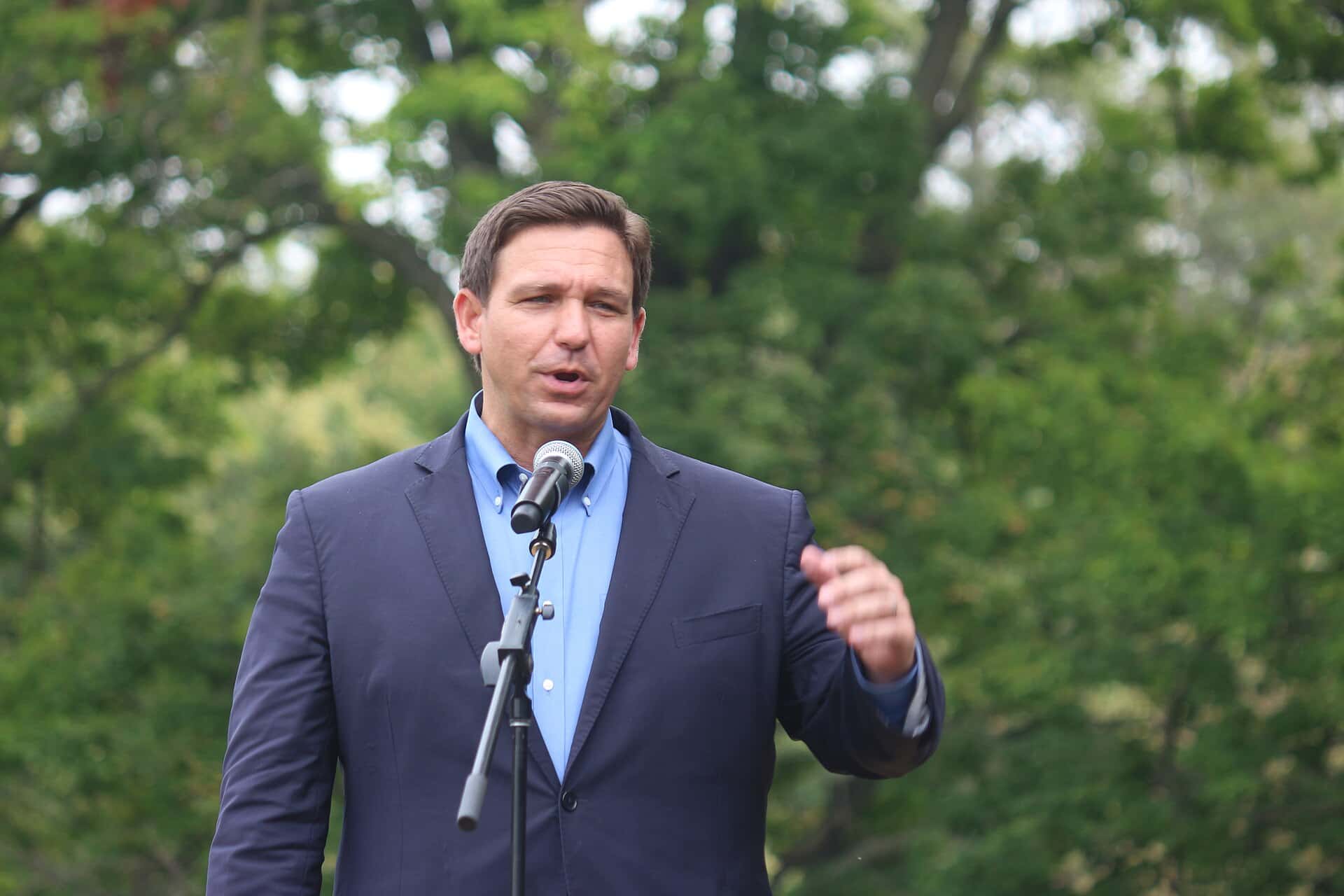
Governor Announces Special Session on Property Taxes
Governor Ron DeSantis announced on May 27, 2026, that he is calling a special legislative session to begin June 1 and run through June 3. The session will focus on a sweeping constitutional amendment he has labeled "Save Our Homes from Excessive Property Taxes." The proposal represents one of the most ambitious property tax relief efforts in Florida history, with the stated goal of eventually eliminating homestead property taxes entirely for the vast majority of Florida homeowners.
The announcement came as housing affordability remains a top concern for Florida residents, with home values and associated property tax bills having climbed sharply in recent years. DeSantis characterized the proposal as a direct response to the financial pressure facing working families and retirees who own their homes but struggle to keep pace with rising tax obligations. The governor's office said the measure would deliver lasting, structural relief rather than temporary credits or one-time rebates.
The three-day session is an accelerated timeline for legislation of this scale, reflecting the administration's desire to place the amendment on the November 2026 ballot. Reaching that ballot requires approval from 60 percent of members in both the Florida House of Representatives and the Florida Senate, a threshold that will demand bipartisan support or near-unanimous backing from the Republican-controlled legislature.
What the Amendment Proposes
The centerpiece of the proposal is an immediate and significant increase in the homestead exemption. Under the plan, the exemption would rise to $250,000, shielding that much of a home's assessed value from property taxation. According to figures cited by the governor's office, that initial threshold would cover roughly 60 percent of Florida homeowners, meaning the majority of owner-occupied residences in the state would owe little or nothing in homestead property taxes once the exemption takes effect.
The long-term goal goes further. The proposal envisions the exemption eventually reaching $500,000, at which point an estimated 92 percent of Florida homeowners would pay zero in homestead property taxes. The governor's office framed this as a generational shift in how the state funds local services, moving away from reliance on residential property taxation and toward other revenue sources.
For homeowners whose property values exceed the exemption threshold, property taxes on the assessed value above the exemption would still apply in the near term. However, as the exemption grows, that taxable portion would shrink for a broad swath of the population. The administration has not yet detailed a full phase-in timeline for the progression from $250,000 to $500,000, but the constitutional language is expected to be released before the session convenes.
Restrictions on New Residents
The proposal includes a residency requirement designed to prevent the new exemption from being claimed immediately by individuals who move to Florida primarily to take advantage of the tax benefit. Under the terms announced by the governor's office, any person establishing Florida residency after January 1, 2027, would need to maintain that residency for up to five years before becoming eligible for the increased exemption.
Supporters of the residency requirement argue it ensures the benefit flows to long-term Floridians and discourages gaming of the system. Critics contend the waiting period creates a two-tiered system that disadvantages families relocating to Florida for legitimate employment or family reasons. Legal scholars are likely to examine whether the residency requirement raises equal protection concerns under federal constitutional standards, as similar durational residency requirements have been challenged in courts in other states.
The existing homestead exemption framework, which currently shields up to $50,000 of assessed value for primary residences, would remain in place during any transition period. The governor's office has said the new exemption would layer on top of existing protections, though the precise interaction between current law and the proposed amendment will be a key subject of legislative debate during the three-day session.
Limits on How Property Tax Revenue Can Be Spent
A significant structural element of the proposal concerns how local governments may use any property tax revenue that remains collectible after the expanded exemptions take effect. The amendment, as described by the governor's office, would restrict remaining homestead property tax dollars to four categories: public safety, education, infrastructure, and natural resources.
That restriction represents a meaningful constraint on local government budgeting flexibility. Currently, county commissions and municipal governments use property tax revenue for a wide range of services, including parks, libraries, social services, and general administrative operations. Under the proposed framework, those uses would no longer be permissible from homestead property tax receipts, at least to the extent those dollars remain collectible.
Local government officials and county administrators are expected to weigh in during the special session, with many expressing concern about the fiscal impact on municipal budgets. The Florida League of Cities and the Florida Association of Counties had not issued formal statements as of the governor's announcement, but both organizations have historically been attentive to any measures that affect the local revenue base. The four permitted categories do cover a substantial share of most local government spending, but the restrictions could complicate budget planning in communities that rely on property tax revenue for programs outside those categories.
The Path to the November Ballot
For the "Save Our Homes" amendment to appear on the November 2026 ballot, it must clear two distinct thresholds. First, the proposed constitutional amendment language must receive approval from 60 percent of members in both chambers of the Florida Legislature during the special session. That super-majority requirement means Republican leaders cannot afford significant defections within their own caucus and may need at least some Democratic support depending on current chamber compositions.
If the legislature approves the resolution, Florida voters would then face the amendment on the November ballot. Constitutional amendments in Florida require approval from 60 percent of voters to pass, a threshold that historically has proved challenging even for broadly popular measures. The governor's office expressed confidence that the proposal would achieve strong public support, pointing to polling that the administration says shows overwhelming favoritism for property tax relief among Florida homeowners.
The June 1-3 timeline is tight. Legislative staff will need to draft constitutional language, committee hearings would need to be compressed or waived, and floor debates in both chambers would need to conclude within the three-day window. Special sessions in Florida have proceeded on similarly compressed schedules in the past, particularly when leadership from the executive and legislative branches are aligned on the goal.
Political Context and Reception
The announcement arrives at a politically charged moment in Florida. DeSantis, now in his second term, has focused significant political capital on tax relief as a defining legacy issue. The property tax proposal echoes the spirit of the original Save Our Homes constitutional amendment passed by Florida voters in 1992, which capped annual increases in assessed value for homestead properties at three percent or the rate of inflation, whichever was lower. That original amendment is widely credited with preventing property tax shock for long-term homeowners during periods of rapid appreciation.
Legislative leaders in Tallahassee responded cautiously to the announcement. House Speaker Daniel Perez and Senate President Ben Albritton, both Republicans, are expected to play central roles in shaping the final language during the three-day session. Statements from both offices indicated general support for property tax relief without committing to the specific framework as announced. Some legislators have previously expressed concern about the fiscal impact on local governments and school districts that depend on property tax revenue.
Democrats in the legislature signaled skepticism about the timeline and the scope, with some members questioning whether a three-day special session is adequate to analyze the fiscal implications of a change as sweeping as the elimination of homestead property taxes for 92 percent of homeowners. They have also raised questions about how local services would be funded once property tax revenue from residential properties is largely eliminated. The governor's office has said additional details about revenue replacement mechanisms would be presented during the session.
Fiscal Impact and Open Questions
The fiscal implications of the proposal are substantial and not yet fully quantified in publicly released documents. Florida counties and municipalities collectively rely on homestead property taxes for billions of dollars in annual revenue. Eliminating or dramatically reducing that revenue stream would require either significant reductions in local government services, replacement revenue from other sources such as sales taxes or state appropriations, or some combination of both.
The state does not impose its own personal income tax, and Florida's constitution restricts the legislature's ability to impose new broad-based taxes without voter approval. That structural reality limits the menu of options available to replace local property tax revenue at the state level. Some policy analysts have suggested that an increased reliance on the state sales tax, or expansion of the sales tax base, could partially offset losses, but sales taxes are generally considered more regressive than property taxes, placing a proportionally higher burden on lower-income households.
For Florida homeowners, particularly those on fixed incomes who have watched property tax bills climb alongside rising home values, the proposal carries obvious appeal. Advocacy groups representing retirees and working-class homeowners praised the announcement. Business groups with commercial real estate interests noted that the proposal as described applies specifically to homestead properties, meaning commercial and non-homestead properties would continue under the current property tax framework without the expanded exemption.
What Happens After the Session
If the legislature approves the resolution during the June 1-3 session, the amendment language will be certified for the November 2026 ballot. Advocacy campaigns for and against the measure are expected to launch immediately, with significant spending from both property rights groups supporting the measure and local government associations concerned about its impact on public services.
Legal challenges are also a possibility if the amendment passes. Any measure that restructures local government finance at this scale is likely to attract litigation from municipalities or advocacy groups arguing that the restrictions on how property tax revenue may be spent violate home-rule principles or other provisions of Florida law. The Florida Supreme Court would be the likely venue for any constitutional challenge.
The governor's office said DeSantis plans to be actively engaged during the three-day session, meeting with legislative leaders and making the public case for the amendment. Whether the proposal clears the 60-percent threshold in both chambers will depend on negotiations that are expected to intensify in the days immediately before June 1.
Spotted an issue with this article?
Have something to say about this story?
Write us a letterComments
No comments yet. Be the first to weigh in.
Related Coverage

Manatee County Freezes Data Center Applications for a Year as Commissioners Float a Permanent Ban
10h ago

Miami Voters to Decide $450 Million Police and Fire Bond as City Carries Heavy Debts and Pension Bills
1d ago

Martin County's MARTY Buses Stop Cold After Operator Walks Away From Contract, Stranding Riders on the Treasure Coast
1d ago
Florida now requires REAL ID or a passport with I-94 to register a vehicle, leaving some immigrants unable to qualify
1d ago