DeSantis Signs 17 More Bills as Florida Heads Toward Budget and Property Tax Special Sessions
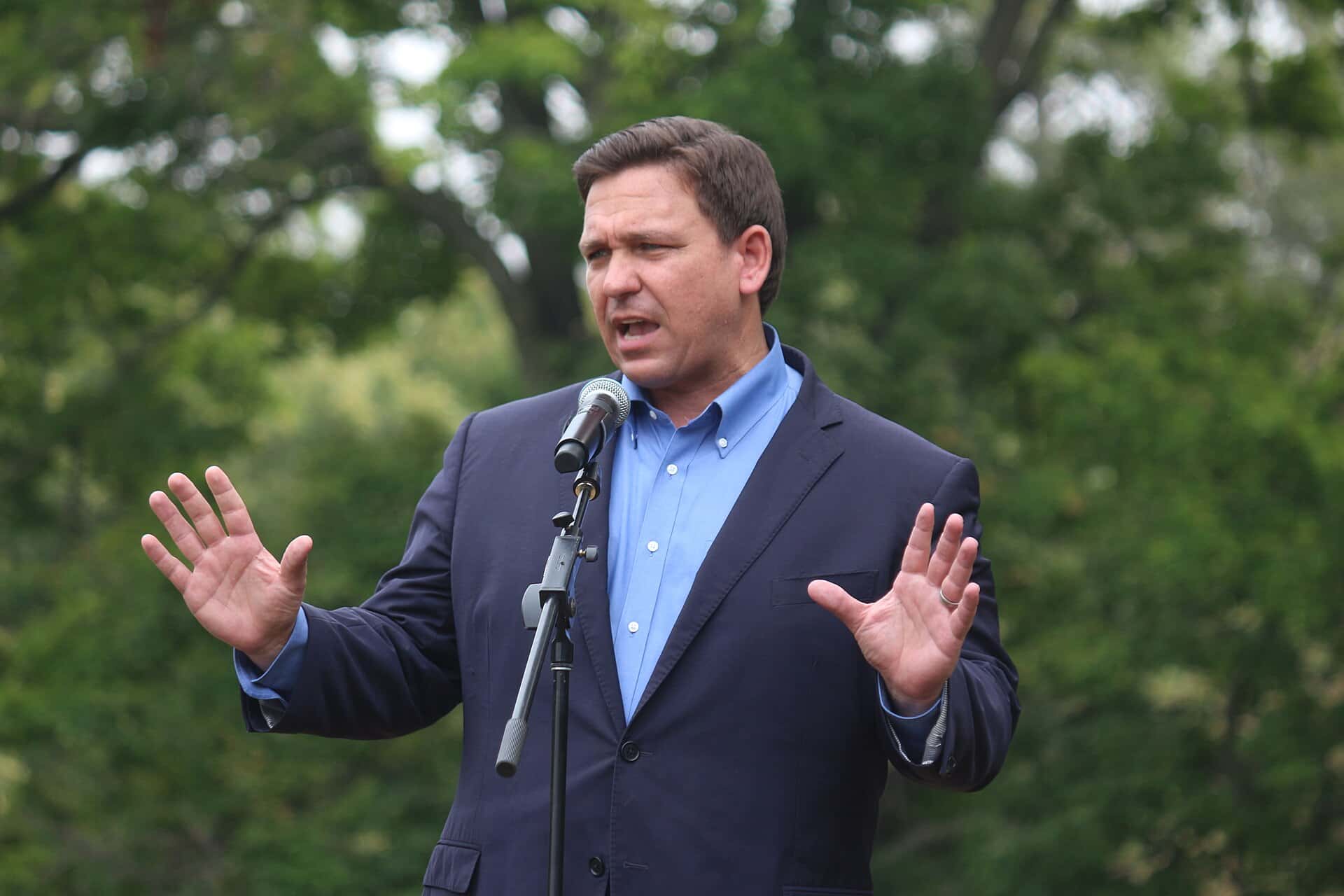
Gov. Ron DeSantis signed another batch of 17 bills into law on Monday, June 10, 2026, pushing the total number of measures he has signed this year to more than 130. Most of the newest laws address local matters, including county charters and special districts, but the signing comes at a pivotal moment as Florida converges on a budget endgame and a separate special session over property taxes, all unfolding in June ahead of the new fiscal year.
The timing matters because Florida's fiscal year begins July 1, and a state budget must be in place before then. After the Legislature was unable to complete a budget during its 2026 regular session, lawmakers faced the prospect of returning for special session work to finish the job before the constitutional pressure of the current fiscal year's June 30 end. The steady pace of bill signings has therefore played out against the backdrop of a far larger and more urgent fiscal task.
For Florida residents, the convergence is significant. The bills becoming law shape governance at the county and district level, while the budget determines funding for schools, health care, public safety, and state operations across the board. Layered on top is the property tax special session, which could reshape one of the state's defining revenue sources for years to come.
According to a state release, the latest signings continue a productive legislative year, even as the unfinished budget and the property tax push command much of the attention in Tallahassee. The result is a June in which routine lawmaking and high-stakes fiscal decisions are happening side by side.
The latest batch of 17 bills
The 17 bills signed Monday are weighted toward local concerns. According to initial reports, many deal with county charters and special districts, the often-overlooked units of local government that handle functions ranging from water management to community development. While such measures rarely draw statewide headlines, they carry real consequences for the specific communities they govern.
Among the bills, according to initial reports, was a measure limiting the compensation of healthcare providers for medical services to inmates housed in a Jefferson County detention center to 110 percent of the Medicare allowable rate when the provider lacks a contract with the county. That bill took effect immediately upon signing, illustrating how some local laws carry near-term operational effects.
The local focus of the batch reflects a common rhythm in the Florida legislative calendar, in which broad policy measures tend to move earlier and a tail of district-specific and county-specific bills follows. These laws frequently apply to a single county or district, tailoring rules to local needs rather than setting statewide policy.
Taken together, the 17 measures add to a year in which the governor has signed well over 130 bills. The cumulative total points to a wide-ranging legislative output spanning environmental protection, public safety, education, and the kind of local governance reflected in the latest round.
Local bills of this kind, sometimes called local or special acts, occupy a distinct place in Florida lawmaking. They typically apply only within the boundaries of a single county or district, allowing the Legislature to tailor rules to circumstances that a statewide statute could not easily address. Special districts in particular, which can govern everything from drainage and fire protection to community development, depend on these periodic legislative adjustments to update their authority, boundaries, or financing.
Because such measures affect a limited area, they often pass with less controversy than statewide policy fights, yet their cumulative weight is substantial. Residents who live within an affected county or district may find that a single local act changes how a service is delivered, how a board is structured, or how a fee is set, even as the rest of the state sees no difference. That localized impact is precisely what makes the batch worth tracking community by community.
More than 130 bills and counting
The pace of signings has been a defining feature of the 2026 legislative year. Crossing the 130-bill threshold means the governor has acted on a large and varied portfolio of legislation, from measures with statewide reach to narrowly drawn local acts.
Earlier rounds this year included bills aimed at protecting the environment among the first measures signed from the 2026 session, signaling priorities at the outset. Subsequent batches expanded into a broad mix of policy areas, building toward the current total. The steady cadence reflects both a full legislative slate and a governor moving deliberately through the bills sent to his desk.
Many of the new Florida laws this year carry effective dates of July 1 or earlier in 2026, a common convention that aligns implementation with the start of the fiscal year. That means residents and businesses will encounter a wave of changes as the calendar turns, even as some measures, like the Jefferson County provision, take effect immediately.
The volume of signed legislation also sets the stage for the fiscal decisions still pending. With the policy side of the session largely resolved through these signings, the unfinished budget stands out as the major piece of business that lawmakers had to return to complete.
The unfinished budget
The most consequential gap left by the 2026 regular session was the absence of a completed state budget. When lawmakers adjourned without passing a spending plan, they set up the need to return for additional work to enact a budget before the July 1 start of the new fiscal year, with the June 30 end of the current year supplying the constitutional deadline pressure.
A budget impasse during a regular session is a serious matter in Florida, because the state cannot operate without an appropriations act in place. The requirement to fund government before the fiscal year begins gives lawmakers a hard deadline and limited room to maneuver, concentrating attention on reaching agreement.
According to initial reports, a 2026-27 budget was ultimately agreed to by the Legislature, with references in university statements pointing to completed budget work. Budget specifics remain best treated with caution, but the indication that lawmakers reached a deal suggests the immediate risk of operating without a spending plan was addressed through the special session process.
The resolution of the budget, even as details continue to come into focus, removes one of the largest uncertainties hanging over state government. It also clears the way for attention to shift more fully toward the property tax question that the governor has placed at the center of the agenda.
The episode also underscores how rare and consequential a failed regular-session budget is in Florida. The state operates under a balanced-budget requirement and cannot spend without an enacted appropriations act, which makes the annual budget the single most important product of any legislative year. When that product is not delivered on the regular timeline, the special session becomes not an option but a necessity, with the fiscal-year deadline functioning as a hard constraint rather than a soft target.
For the institutions that depend on state money, the uncertainty between the regular session and the final deal carries real costs. Universities, local governments, and agencies that build their own budgets around state appropriations must plan amid ambiguity until the numbers are settled. The references in university statements to completed budget work suggest that, by early June, those institutions had gained enough clarity to proceed, even as the public accounting of the final plan continued to take shape.
The property tax special session
Running alongside the budget endgame is the governor's push for a special session on property tax relief. DeSantis has unveiled a proposed constitutional amendment that would dramatically expand the homestead exemption and set a course toward eliminating homestead property taxes, a measure that would require legislative supermajorities and voter approval to take effect.
The property tax effort is distinct from the budget work but tied to the same June crush of activity in Tallahassee. Convening lawmakers specifically to consider a constitutional amendment reflects the governor's intent to move the question quickly enough to reach voters, layering another major task onto an already busy stretch.
Because Florida's property tax structure is embedded in the state Constitution, any change requires a three-fifths vote in both legislative chambers and then 60 percent approval at the ballot. That high bar makes the special session consequential, since the outcome would determine whether the proposal advances toward a statewide vote.
The convergence of bill signings, the budget resolution, and the property tax session gives June 2026 an outsized place in the state's political calendar. Each strand carries its own stakes, and together they represent an unusually dense period of fiscal and legislative decision-making.
What it means for Florida
For everyday residents, the practical effects of this June are wide-ranging. The newly signed laws will alter governance in specific counties and districts, while the budget determines how state dollars flow to schools, health programs, public safety, and other services that touch daily life across Florida.
The local nature of many recent bills means their impact is concentrated in particular communities, but cumulatively the year's legislation reaches into environmental policy, education, and public safety statewide. Residents in affected areas will need to track which measures apply to them and when they take effect, particularly given the mix of immediate and July 1 effective dates.
The budget carries the broadest implications, shaping funding levels for institutions ranging from universities to local agencies. The references in university statements to completed budget work hint at the real-world stakes for entities that depend on state appropriations to plan their own operations and budgets.
The property tax proposal, if it advances, could prove the most far-reaching of all, potentially reshaping how local governments are funded for years. For homeowners, the prospect of a larger exemption is appealing, while local officials weigh the implications for schools, counties, and cities that rely on property tax revenue.
What's next
With the latest bills signed, the governor still has remaining measures from the session to act on, and additional signings are likely as the year continues. The cumulative total well past 130 will keep climbing as the final tranche of legislation moves through.
On the budget, attention turns to confirming the details of the agreed 2026-27 spending plan and ensuring it is fully in place before the July 1 start of the fiscal year. Given the earlier impasse, the focus will be on a smooth transition into the new year without disruption to state operations.
The property tax special session represents the next major flashpoint, as lawmakers consider whether to advance the proposed constitutional amendment toward the ballot. Together, the bill signings, the budget resolution, and the property tax debate will define a consequential June and set the terms for Florida's fiscal and political landscape in the months ahead.
Spotted an issue with this article?
Have something to say about this story?
Write us a letterComments
No comments yet. Be the first to weigh in.
Related Coverage

Volusia County Launches Florida's First Online Database of Convicted Domestic Abusers
11h ago

Miami-Dade sheriff ends Sergeant-at-Arms security detail; Levine Cava warns of risk at Government Center
15h ago

Florida AG Uthmeier proposes Safe Screens Act with overnight shutoff, app store age checks for teens
17h ago
Voter Lookup Tools Go Down on Florida County Election Sites as Early Voting Begins
1d ago