Rubio and Scott Revive Sunshine Protection Act to End Clock Changes
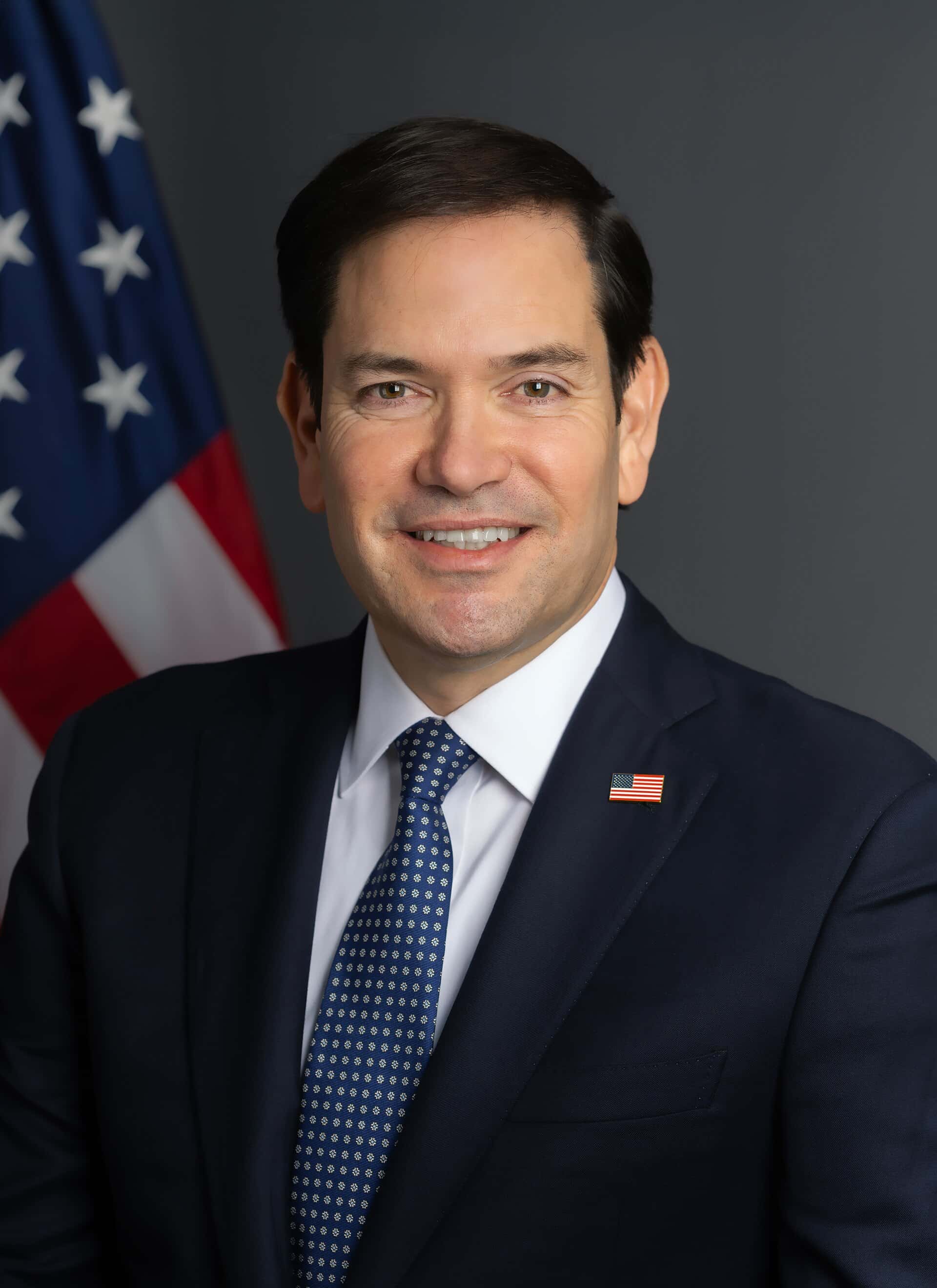
Florida's two U.S. senators have renewed their push to end the twice-yearly clock change, reintroducing the bipartisan Sunshine Protection Act in an effort to make daylight saving time permanent across the country. Senator Rick Scott, who is leading the bill alongside Senator Marco Rubio, said it is time for Congress to act, framing the measure as something Floridians have consistently supported.
The proposal has a long history in Florida politics. The state Legislature passed the Sunshine Protection Act at the state level in 2018, directing Florida to observe daylight saving time year-round. That law cannot take effect without congressional authorization, because federal law permits states to opt out of daylight saving time entirely but does not permit them to observe it permanently.
That legal structure is why the issue keeps returning to Washington. Florida has already made its decision. What it needs is a change in federal law, and the Sunshine Protection Act is the vehicle its senators have used to seek one for the better part of a decade.
How the current system works
The Uniform Time Act of 1966 established the framework that governs time observance in the United States. Under it, states may exempt themselves from daylight saving time and remain on standard time year-round, which Arizona and Hawaii have done. States may not, however, choose to remain on daylight saving time permanently. That option requires an act of Congress.
The current schedule has daylight saving time running from the second Sunday in March through the first Sunday in November, a span set by legislation passed in 2005 that extended the period from its previous length. Clocks move forward one hour in spring and back one hour in fall.
Roughly 20 states have passed legislation or resolutions expressing a preference for permanent daylight saving time, all contingent on federal authorization. That accumulation of state-level action is one of the arguments proponents make for congressional movement, though it has not been sufficient to produce passage.
The arguments for permanent daylight time
Supporters emphasize the practical benefits of later evening daylight. More usable daylight after the workday supports outdoor recreation, youth sports and evening retail and restaurant activity, all of which matter in a state whose economy is heavily oriented toward outdoor life and tourism.
Public safety arguments have also been advanced, including research suggesting reductions in evening traffic crashes and in certain categories of crime when daylight extends later into the evening. Proponents have additionally cited studies on the health effects of the transition itself, pointing to short-term increases in cardiac events and traffic incidents in the days after clocks change.
The energy conservation rationale that originally justified daylight saving time has become less persuasive as building and appliance efficiency has improved. Modern analyses generally find the energy effects small and ambiguous, which has shifted the debate toward quality of life and health considerations.
The arguments against
Sleep researchers and several medical organizations have argued that permanent standard time, rather than permanent daylight saving time, better aligns with human circadian rhythms. Under that view, the problem is not the clock change alone but the mismatch between social schedules and biological ones that permanent daylight time would make worse in winter.
There is also a practical winter objection. Under permanent daylight saving time, sunrise in the northern parts of the country would occur very late in December and January, in some places after 8:30 in the morning. That would mean children traveling to school in darkness through much of the winter, an outcome that generated significant public backlash when the United States briefly tried permanent daylight time in 1974.
Florida's geography makes this objection weaker here than elsewhere. The state sits far enough south that seasonal variation in daylight is modest compared with northern states, and winter sunrise times in Florida under permanent daylight saving time would be considerably less extreme than in Michigan or Maine. That regional difference is part of why the issue polls differently by latitude.
Why the bill keeps stalling
The Sunshine Protection Act passed the Senate by unanimous consent in 2022 in what turned out to be a procedural surprise, with several senators later indicating they had not fully registered the vote. It never received a House vote, and the bill died at the end of that Congress.
Since then, the measure has been reintroduced repeatedly without reaching the floor. The obstacle is not organized opposition so much as an absence of urgency. Time policy is not a priority for congressional leadership in either chamber, and floor time is allocated to matters with more immediate consequences.
The unresolved split between permanent daylight time advocates and permanent standard time advocates also complicates the politics. Both camps agree the clock change should end, but they disagree about which time to settle on, and that disagreement has been sufficient to prevent consensus on a single approach.
What it means for Floridians
For Florida, the immediate effect of passage would be that the state's 2018 law takes effect and the state stops changing its clocks. Sunset in Miami in late December would shift from roughly 5:35 in the evening to roughly 6:35, and morning sunrise would shift correspondingly later.
The tourism and outdoor recreation sectors would likely see the most direct benefit. Later evening daylight in winter extends the usable day for beach visits, theme park attendance, golf and boating during Florida's peak visitor season. Business groups in the state have generally supported the change on those grounds.
There is a coordination consideration as well. Florida spans two time zones, with most of the state on Eastern time and part of the Panhandle west of the Apalachicola River on Central time. Any change would apply to both, preserving the existing one-hour internal difference.
What happened the last time
The United States has tried permanent daylight saving time before. Congress enacted it in January 1974 in response to the energy crisis, with the expectation that extended evening daylight would reduce electricity demand. Public support was strong at the outset, with polling showing substantial majorities in favor.
Support collapsed within months. The change meant sunrise after 8 a.m. across much of the country in January and February, and children traveling to school in darkness generated widespread objection. Congress reversed the law before the following winter, returning the country to seasonal clock changes.
Advocates of permanent daylight time note that the 1974 experience does not necessarily predict the outcome today, since school start times, commuting patterns and the structure of the workday have all changed. Critics respond that the fundamental problem, dark winter mornings, is a function of astronomy rather than of social arrangements and has not changed at all.
The Florida-specific calculation
Latitude determines how much winter mornings would be affected, and Florida sits farther south than nearly any other state in the continental United States. In Miami, the earliest winter sunrise under permanent daylight saving time would come around 8 a.m., compared with times approaching 9 a.m. in northern states.
That difference is why Florida legislators were among the earliest to act on the issue and why the state's business community has been broadly supportive. Tourism, outdoor recreation, golf, boating and evening dining all benefit from later daylight, and those sectors carry substantial weight in Florida's economy.
There is also a regional coordination question. Florida's neighbors, Georgia and Alabama, have both considered similar measures, and a patchwork in which one state observes permanent daylight time while adjacent states change clocks seasonally would create twice-yearly time differences along state lines. That practical consideration has been an argument for federal action rather than state-by-state approaches.
The public health argument
Sleep and circadian rhythm researchers have been among the most organized voices in this debate, and their position is generally that the clock change itself is harmful and that permanent standard time is the healthier endpoint. The American Academy of Sleep Medicine has taken that position explicitly.
The reasoning rests on the relationship between morning light exposure and circadian entrainment. Morning light is the primary signal that sets the body's internal clock, and permanent daylight saving time delays sunrise year-round, reducing morning light exposure during the months when it is already scarce. Researchers argue that produces chronic misalignment between biological and social schedules.
Studies documenting short-term harms from the spring transition are more consistent. Increases in heart attacks, strokes, workplace injuries and traffic crashes in the days following the spring forward change have been reported across multiple datasets, and those findings are the strongest empirical support for ending clock changes in some form.
Where the evidence is weaker is in comparing permanent daylight time against permanent standard time, since neither has been observed at scale in the modern United States. That gap is part of why the debate has stalled: both sides can point to real evidence for ending the change, and neither can point to conclusive evidence about which endpoint is better.
What's next
The bill has been introduced and referred to committee. Advancing it would require committee action followed by floor time in both chambers, and neither has been scheduled. The pattern across previous Congresses suggests the measure is more likely to be reintroduced again than to pass in this session.
Floridians who care about the issue can track the bill through congressional records and through the offices of Senators Scott and Rubio. House companion legislation has been introduced in previous Congresses by members from multiple states.
Until Congress acts, Florida's 2018 law remains inoperative, and clocks in the state will continue to move forward in March and back in November as they have since the Uniform Time Act took effect.
Spotted an issue with this article?
Have something to say about this story?
Write us a letterComments
No comments yet. Be the first to weigh in.
Related Coverage

Blue Origin Seeks FAA Approval for Up to 50 New Glenn Launches a Year From Cape Canaveral
22m ago

Second Kennedy Space Center Contractor Plans Layoffs as NASA Brings Work In-House
19h ago

RFK Jr. Brings Medical School Nutrition Push to Orange Park as UF, LMU and Jacksonville Programs Sign On
19h ago

Nine Florida HIV Prevention Groups Lose Direct CDC Grants as Federal Money Shifts to State Health Department
21h ago