Panhandle Beaches Under Water Quality Advisories as Bacteria Levels Climb
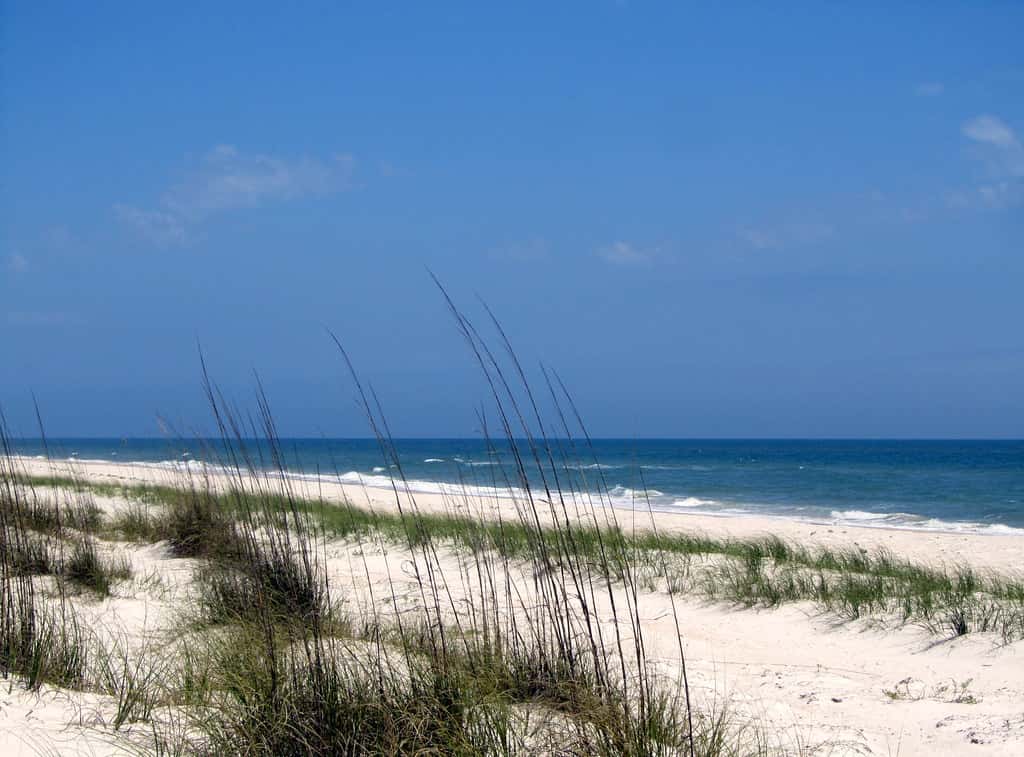
Health officials in Florida's Panhandle have issued water quality advisories for several popular Gulf beaches after routine sampling detected elevated levels of Enterococcus bacteria. The Florida Department of Health in Franklin County posted the advisory on July 21 covering Alligator Point Beach, Carrabelle Beach and multiple locations on St. George Island, with an update issued July 22.
The advisories arrive in the middle of the summer beach season, when Franklin County's Gulf-facing shoreline draws visitors from across the region and from Georgia and Alabama. Health officials advise against water-related activities at locations under advisory because of an increased risk of illness for swimmers.
Similar advisories have been issued and lifted across the state this month. The Florida Department of Health in Miami-Dade County posted an advisory on July 9 for Golden Beach, Bark Beach at 79th Street and North Shore Ocean Terrace at 73rd Street, then lifted it on July 15 after follow-up testing showed acceptable bacteria levels. Palm Beach County issued and later lifted an advisory for an area connected to the C17 Canal in Riviera Beach following a wastewater spill.
What Enterococcus testing measures
Enterococcus is a group of bacteria that lives in the intestines of humans and other warm-blooded animals. It is used as an indicator organism in marine water quality testing, meaning its presence signals that fecal contamination has reached the water and that disease-causing organisms may be present alongside it.
The bacteria itself is generally not the primary health hazard. It is a proxy. When Enterococcus counts exceed the state threshold, the concern is that other pathogens carried in the same contamination, including viruses and other bacteria, may also be present at levels capable of causing illness.
Florida's Healthy Beaches Program conducts routine sampling at beaches across the state's coastal counties. When a sample exceeds the threshold, the department issues an advisory and resamples. The advisory remains until follow-up testing shows acceptable levels, which is why most advisories are lifted within days.
Where the contamination comes from
Sources vary and are often difficult to pin down precisely. Stormwater runoff is among the most common contributors, since rainfall washes accumulated material from streets, parking lots and developed areas into coastal waters. Advisories frequently follow heavy rainfall for that reason.
Wastewater infrastructure is another source. Sanitary sewer overflows, lift station failures and aging collection systems can release untreated or partially treated sewage into waterways. The Palm Beach County advisory this month was tied directly to a wastewater spill, which is the clearest and most traceable category of source.
Septic systems contribute in areas where they are prevalent, particularly older systems in coastal areas with high water tables. Franklin County and much of rural coastal Florida rely heavily on septic, and drainfield performance in sandy soil near the water table is a known challenge. Animal sources, including wildlife and pets, also contribute and are effectively impossible to eliminate.
The health risks
The illnesses associated with swimming in contaminated marine water are generally gastrointestinal. Diarrhea, nausea and stomach cramps are the most common outcomes, typically appearing within a day or two of exposure and resolving on their own. Skin rashes, ear infections and eye irritation also occur.
Risk is not uniform across the population. Young children, older adults, pregnant people and anyone with a compromised immune system face higher risk of more serious outcomes. People with open wounds or recent surgical incisions should avoid contact with water under advisory entirely, since bacterial entry through broken skin carries different and more serious risks.
Swallowing water is the primary exposure route for gastrointestinal illness, which is why children are at elevated risk. They swallow more water while swimming than adults do and spend more time in shallow water where contamination concentrations are often highest.
What the advisories mean for beach access
An advisory is guidance, not a closure. Beaches under advisory generally remain open, and visitors can walk the shoreline, sunbathe and use the beach for non-water activities. The advisory addresses contact with the water specifically.
Signs are typically posted at affected access points, though coverage can be inconsistent along long stretches of shoreline with multiple public and private access routes. Visitors should check the Florida Healthy Beaches Program website for current advisory status rather than relying on posted signage alone.
Advisories are location-specific. An advisory at one St. George Island sampling site does not necessarily mean the entire island's shoreline is affected, and conditions can differ substantially over short distances depending on where drainage outfalls, inlets and current patterns are located.
What it means for the Panhandle
Franklin County's economy depends heavily on coastal tourism and on its working waterfront. Apalachicola Bay and the surrounding waters have historically supported one of Florida's most significant oyster fisheries, though that fishery has faced severe challenges over the past decade and has been under harvest restrictions aimed at allowing recovery.
Water quality issues carry particular weight in a region where the water is both the recreational attraction and the economic base. Advisories during peak season affect visitor experience directly, and the perception of water quality problems can influence booking decisions well beyond the duration of any individual advisory.
St. George Island and Carrabelle draw substantial summer visitation, and Alligator Point serves both visitors and a residential community. For all three, the practical guidance during an advisory is to check current status before swimming and to be particularly cautious with children.
How the Healthy Beaches Program works
Florida's Healthy Beaches Program is operated by the Department of Health with sampling conducted by county health departments. Sites are sampled on a regular schedule, typically weekly or biweekly depending on the location and the season, and samples are analyzed for Enterococcus concentration.
The state uses a threshold based on federal Environmental Protection Agency recreational water quality criteria. When a sample exceeds it, the county issues an advisory and collects a follow-up sample. If the follow-up also exceeds the threshold, the advisory continues; if it does not, the advisory is lifted.
The program's limitation is timing. Laboratory analysis of bacteria samples takes roughly 24 hours, which means an advisory reflects conditions from the previous day rather than current ones. Water quality in coastal environments can change quickly with tides, wind and rainfall, so the absence of an advisory does not guarantee current conditions are clean, particularly immediately after heavy rain.
Apalachicola Bay and the working waterfront
Franklin County occupies a distinctive place in Florida's coastal economy. Apalachicola Bay historically produced a significant share of the nation's oysters, and the industry shaped the culture and economy of Apalachicola, Eastpoint and the surrounding communities for generations.
The fishery collapsed over the past decade, attributed by researchers to a combination of reduced freshwater inflow from the Apalachicola River, drought, overharvesting and habitat degradation. The state closed wild oyster harvesting in the bay to allow recovery, and restoration work including shell planting has been underway since.
Water quality is central to that recovery. Oysters are filter feeders and are directly affected by bacterial contamination, salinity and nutrient conditions. For Franklin County, beach advisories and the health of the bay are connected questions rather than separate ones, and both depend on the same watershed management decisions that extend upstream into Georgia and Alabama.
What causes summer advisory clusters
Advisories tend to cluster in the summer months for reasons tied directly to Florida's climate. Warm water supports bacterial survival longer than cool water, afternoon thunderstorms deliver concentrated rainfall that flushes contaminants into coastal waters, and peak visitation increases the load on wastewater and septic systems in beach communities.
Rainfall is the most reliable predictor. Coastal water quality managers across the country generally advise avoiding swimming for 24 to 48 hours after heavy rain, since that is the window in which stormwater-borne contamination is highest. That guidance applies regardless of whether a formal advisory has been posted, given the lag between sampling and results.
Tidal conditions also matter. Enclosed or poorly flushed areas, including canals, boat basins and lagoons, retain contamination longer than open beaches exposed to wave action and tidal exchange. That is why advisories are more common at sampling sites in protected waters than at high-energy Gulf-facing beaches.
Infrastructure investment is the durable fix. Stormwater retention systems, wastewater collection upgrades and septic-to-sewer conversions all reduce advisory frequency, and Florida communities compete annually for state and federal funding to pursue them. Franklin County's rural tax base makes that competition particularly consequential for its ability to address the underlying sources.
Residents can also reduce local contributions. Maintaining septic systems on a regular pumping schedule, picking up pet waste, and limiting fertilizer application before rain events all reduce the nutrient and bacteria load reaching coastal waters from individual properties.
What's next
Follow-up sampling determines when advisories are lifted. Most advisories in Florida resolve within a few days once the contributing condition, typically a rainfall event or a specific infrastructure problem, has passed and bacteria levels return to acceptable ranges.
Beachgoers should check the Florida Healthy Beaches Program before visiting, particularly after heavy rainfall. The program publishes current sampling results and advisory status by county, and it is the authoritative source for whether a specific beach is affected.
Longer-term improvement depends on infrastructure. Stormwater management, wastewater system maintenance and septic-to-sewer conversion projects are the interventions that reduce advisory frequency, and all three are funded through a mix of local, state and federal sources that coastal Florida counties compete for annually.
Visitors planning trips to the Forgotten Coast, the stretch of shoreline running from Mexico Beach through Apalachicola and St. George Island, should build the advisory check into their trip planning the way they would check a weather forecast. Conditions change frequently, most advisories are short-lived, and the vast majority of days at these beaches carry no restriction at all.
Spotted an issue with this article?
Have something to say about this story?
Write us a letterComments
No comments yet. Be the first to weigh in.
Related Coverage

DeSantis Says Florida Fentanyl Deaths Fell Nearly 60% Since 2023, Crediting State's Trafficking Crackdown
2d ago

Miami Archbishop Thomas Wenski Accuses AG James Uthmeier of 'Classic Bullying' Over Catholic School Vaccine Rules
2d ago

Florida AG Uthmeier subpoenas Performance Food Group as potassium bromate probe widens
6d ago

Manatee Mosquito Control Pilot Killed After Helicopter Strikes Unlit Radio Tower in Myakka City
6d ago