DeSantis Signs Dozens More Bills as 2026 Session Laws Top 130
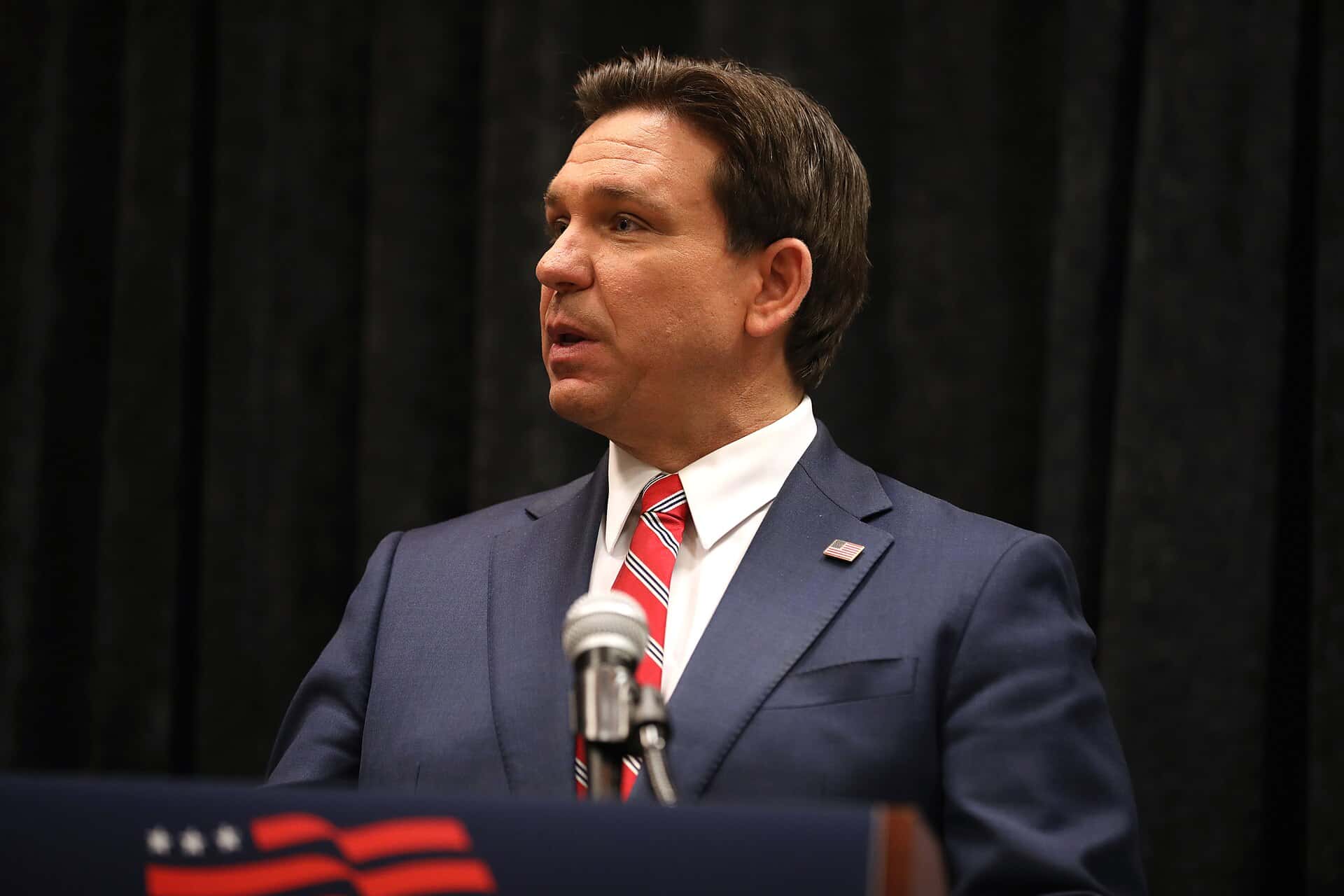
Governor Ron DeSantis signed roughly 25 more bills into law on June 12, 2026, two days after approving 17 others on June 10, pushing the number of measures enacted from the 2026 legislative session past 130. The back-to-back batches mark the latest wave in an active stretch of signings as the session's laws move from the Capitol onto the books, with many of the newest measures reaching deep into the local affairs of individual Florida counties.
For Florida residents, the significance lies less in any single headline law than in the sheer breadth of changes now taking effect across the state. The recent signings touch county charters, special districts, the structure of local government, and the way certain public services are funded and delivered. Several of the measures will reshape how specific counties govern themselves for years to come.
The pace also underscores how much of the legislative session's work consists of local and technical bills that rarely draw statewide attention yet carry real consequences for the communities they affect. As the 2026 laws accumulate, the cumulative total above 130 reflects both the volume of legislation passed this year and the steady cadence of the governor's approvals in June.
A Steady Stream of Signings
The June 10 batch of 17 bills and the June 12 batch of roughly 25 represent a concentrated burst of activity. Together they account for a substantial share of the more than 130 laws enacted from the session, and they signal that the governor is working through the backlog of measures the Legislature sent to his desk earlier in the year.
Many of the newest laws address local matters such as county charters and special districts, the kind of legislation that adjusts the machinery of local governance rather than setting statewide policy. Special districts, which handle functions ranging from water management to recreation, are frequent subjects of such bills, as are the charters that define how counties organize their commissions and elected offices.
The local focus of the recent signings reflects a familiar rhythm in Tallahassee, where statewide priorities tend to dominate the early weeks of a session and a long tail of community-specific bills follows. By June, the governor's signings often skew toward these targeted measures, each one tailored to a particular county or district.
That pattern helps explain why the latest laws, despite their number, have drawn comparatively little statewide notice. Their effects are concentrated in specific places, even as they add up to a meaningful reshaping of local government across multiple counties.
Inside the June 10 Batch
The 17 bills signed on June 10 included several that illustrate the local and technical character of this stage of the session. One, HB 4001, limits compensation for healthcare providers serving inmates at a Jefferson County detention center to 110% of the Medicare allowable rate in cases where there is no county contract in place. The measure sets a cap on what providers can be paid for inmate medical care absent a negotiated agreement, a narrow but consequential adjustment to how that county handles correctional health costs.
Another, HB 4017, dissolves the Nassau County Recreation and Water Conservation District and transfers its assets to the county commission. The bill folds the functions and property of an existing special district into the county's direct control, eliminating a separate governing body and consolidating authority over recreation and water conservation in Nassau County under the commission.
These two examples capture the kind of work the June 10 signings accomplished: capping a payment rate in one county, dissolving a special district in another. Neither makes statewide policy, yet each carries direct weight for the residents and institutions involved, from inmates receiving medical care to taxpayers and officials in Nassau County.
Reshaping Hillsborough County Government
Two of the June 10 bills stand out for the structural changes they bring to Hillsborough County, one of Florida's most populous. HB 4027 makes the Hillsborough County schools superintendent a partisan elected office with four-year terms beginning in 2028. The measure converts what would otherwise be an appointed or nonpartisan post into a partisan elected position, meaning voters will choose the superintendent on a partisan ballot and the office will carry a fixed four-year term starting later this decade.
The shift to a partisan elected superintendent is a significant change in how the county's school system is led. It places the selection of the district's top administrator directly in voters' hands and ties the office to party affiliation, a model that supporters often frame as enhancing accountability and that critics worry could inject partisanship into school management. The 2028 start date gives the county time to prepare for the transition.
The second Hillsborough measure, HB 4029, places a referendum on the November ballot asking voters whether to expand the county commission from seven to nine members, with the body growing to 11 members if the county's population reaches 2.5 million. The bill does not itself enlarge the commission; instead, it lets Hillsborough voters decide whether to add seats, and it builds in a further expansion tied to a population milestone.
If voters approve the referendum, the commission would grow to nine members, with the additional jump to 11 reserved for the point at which Hillsborough's population hits 2.5 million. The proposal reflects the pressures of a fast-growing county, where a larger commission could mean more localized representation as the population climbs. Voters will weigh that question alongside other items on the November ballot.
Why the Local Bills Matter
Although individually modest, the local bills signed in June carry real stakes for the counties they govern. Changing how a superintendent is chosen, dissolving a special district, capping payments for inmate medical care, or asking voters whether to expand a county commission each alters the structure or finances of local government in ways residents will feel directly.
These measures also reflect the constitutional and statutory reality that many decisions about Florida's local governance ultimately run through Tallahassee. Counties often need state legislation to amend their charters, restructure their commissions, or eliminate special districts, which is why such bills accumulate in the Legislature and arrive on the governor's desk in batches. The signings turn those local requests into law.
For the communities involved, the practical effects will unfold over the coming months and years. Hillsborough voters face a referendum in November, the county's school leadership changes in 2028, and Nassau County absorbs the functions of a dissolved district. Each change traces back to a single bill in the larger pile the governor has been signing.
The Special Districts at the Center of the Debate
Special districts occupy an outsized place in the latest round of signings, and for good reason. Florida is home to thousands of these independent or dependent units of local government, each created to perform a specific function such as managing water resources, maintaining recreational facilities, providing fire protection, or overseeing drainage and conservation. Because they operate outside the ordinary structure of city and county government, special districts can levy assessments, hold property, and govern themselves through their own boards, which makes their creation and dissolution a recurring subject of legislation.
HB 4017, which dissolves the Nassau County Recreation and Water Conservation District, is a textbook example of how the Legislature uses individual bills to reorganize these entities. By transferring the district's assets to the county commission, the law consolidates oversight under elected county officials and removes a separate layer of governance. Supporters of such consolidations often argue that folding a special district into county control improves accountability and reduces administrative duplication, while ensuring that the services the district provided continue under direct county management.
The treatment of special districts also reflects a broader theme in recent Florida lawmaking, in which the state has scrutinized the proliferation of independent districts and moved in some cases to dissolve, restructure, or tighten oversight of them. Each dissolution carries practical consequences for the residents who relied on the district's services and for the county now responsible for delivering them. The Nassau County measure adds to that pattern, shifting recreation and water conservation duties squarely onto the county commission.
A Session Defined by Volume
The push past 130 enacted laws places the 2026 session among the more productive in recent memory, at least by raw count. While the headline-grabbing measures of any session tend to involve statewide policy on taxes, education, or public safety, the bulk of the legislation that reaches the governor's desk consists of the kind of local and technical bills now being signed in June. The high total reflects both the Legislature's output and the governor's steady cadence in acting on it.
That volume carries its own significance. Each law, however narrow, represents a deliberate choice by lawmakers and the governor to alter some piece of how Florida governs itself, whether by setting a payment cap, restructuring a county office, or asking voters to weigh a referendum. Taken together, the more than 130 laws form a detailed mosaic of changes that will shape communities across the state, many of them in ways residents may not notice until the new rules touch their own neighborhoods.
The concentration of signings in mid-June also illustrates the rhythm of Florida's lawmaking calendar, in which bills passed earlier in the year work their way through review before the governor acts. The June 10 and June 12 batches represent the culmination of that process for a large share of the session's local legislation, clearing the way for the laws to take effect on their respective schedules.
What Happens Next
With the 2026 session's enacted laws now past 130, attention turns to implementation and to the remaining bills still awaiting action. The governor's office has been working steadily through the measures the Legislature passed, and the June 10 and June 12 batches suggest the bulk of the session's local legislation is being finalized. Additional signings or vetoes could still adjust the final tally.
In Hillsborough County, the November ballot will carry the commission-expansion referendum created by HB 4029, giving voters a direct say in the size of their county commission and setting up a population-triggered path toward an 11-member body. The partisan superintendent change under HB 4027 will take hold in 2028, leaving time for the county to adapt its election and governance procedures.
Elsewhere, the dissolution of the Nassau County Recreation and Water Conservation District and the payment cap for inmate healthcare in Jefferson County take their place among the dozens of local laws now in force. As the 2026 laws take effect across Florida, the latest wave of signings illustrates how much of the state's governance is shaped not by sweeping statewide mandates but by the steady accumulation of targeted, community-level legislation.
Spotted an issue with this article?
Have something to say about this story?
Write us a letterComments
No comments yet. Be the first to weigh in.
Related Coverage

Pinellas commissioners set Oct. 27 vote on Vince Nowicki's Flock camera ban after Bob Gualtieri's fierce defense
21h ago

Volusia County Launches Florida's First Online Database of Convicted Domestic Abusers
1d ago

Miami-Dade sheriff ends Sergeant-at-Arms security detail; Levine Cava warns of risk at Government Center
1d ago

Florida AG Uthmeier proposes Safe Screens Act with overnight shutoff, app store age checks for teens
1d ago