DeSantis Signs Foreign Interference Law Targeting Cuba, China, and Iran Influence in Florida
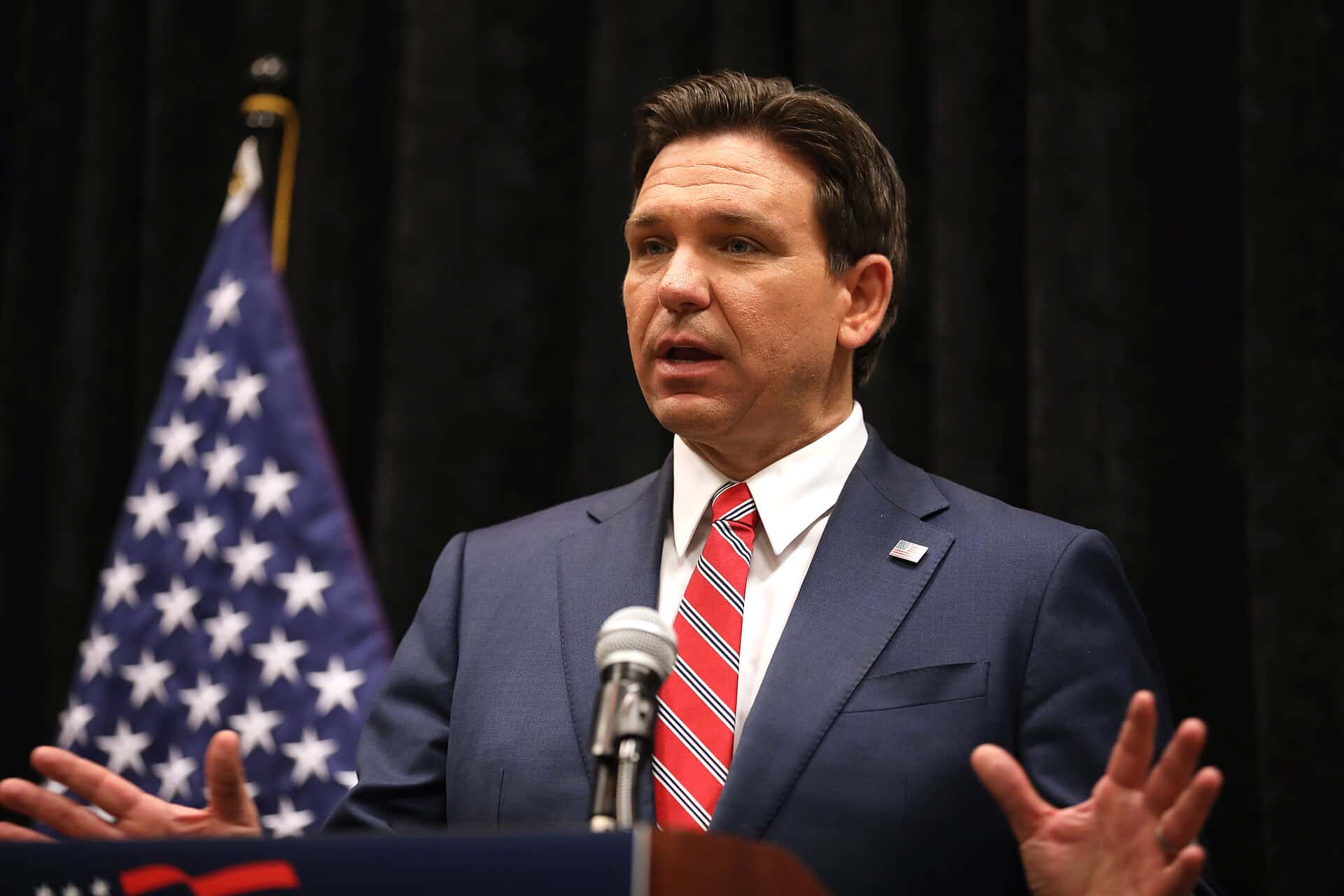
Governor Ron DeSantis signed HB 905, the Foreign Interference Restriction and Enforcement Act, on May 8, 2026, at the Bay of Pigs Museum and Library in Miami, enacting new restrictions designed to block hostile foreign governments and their proxies from infiltrating Florida's government, public institutions, critical infrastructure, and economy. The law targets what it designates as foreign countries of concern, including China, Russia, Cuba, Iran, North Korea, and Venezuela, imposing new disclosure requirements, prohibitions on certain transactions, and penalties for violations that take effect July 1, 2026.
What the Law Prohibits and Requires
The Foreign Interference Restriction and Enforcement Act establishes several categories of prohibited activity and new mandatory disclosures. Under the law, Florida state agencies, local governments, and public universities are barred from entering into certain agreements or accepting funding from foreign countries of concern or entities controlled by those governments. The restrictions apply to contracts, research partnerships, joint ventures, and gift arrangements that could give foreign adversaries access to sensitive data, technology, or infrastructure.
Elected officials and government employees at the state and local level face new ethics and disclosure requirements under the law. Officials who have certain financial relationships or ties to foreign countries of concern must disclose them through expanded lobbying and ethics reporting mechanisms. The legislation strengthens existing foreign influence registration requirements that apply to individuals and organizations acting on behalf of foreign principals in Florida.
The law also takes an unusual step into family law by prohibiting adoption and surrogacy arrangements in which any party to the contract is a citizen or resident of a designated foreign country of concern. The provision reflects concerns about the exploitation of such arrangements to place foreign nationals in positions that could create influence vulnerabilities over time, according to the bill's sponsors.
Additionally, HB 905 creates a state-level designation framework for both domestic and foreign terrorist organizations, establishing a Florida-specific list that carries state law consequences beyond the existing federal foreign terrorist organization designation process. The law bars state agencies and public institutions from providing money to or receiving money from designated terrorist organizations.
The Setting and Its Symbolism
Governor DeSantis chose to sign the law at the Bay of Pigs Museum and Library in Miami's Little Havana neighborhood, a site that holds profound significance for Florida's Cuban-American community. The museum commemorates the 1961 Bay of Pigs invasion, an effort by Cuban exile forces trained by the CIA to overthrow Fidel Castro's government that ended in failure. The community's decades-long opposition to the Castro regime and its successor government makes Little Havana a symbolically charged venue for legislation targeting Cuban influence operations.
Florida has the largest Cuban-American population of any state in the country, concentrated primarily in Miami-Dade County. The community has long been a powerful political force in Florida and national politics, with a deep institutional memory of the experiences that drove families to leave Cuba and strong suspicion of any accommodation of the Cuban government's international activities.
The signing's location sent a clear message about the intended audience for the legislation and the political framework within which the governor placed it. Officials at the event drew explicit parallels between Cuba's historical hostility toward Floridians of Cuban descent and the contemporary threat they said foreign adversary nations pose to American institutions and Florida's government.
How It Fits Into Broader Trends
HB 905 is the latest in a series of Florida legislative actions targeting foreign influence and national security concerns at the state level. In prior years, the state legislature passed laws restricting land purchases by citizens of foreign adversary nations near military bases and critical infrastructure, a measure that drew significant attention and was replicated in various forms by other states.
Florida's approach reflects a broader pattern of states taking on foreign interference and economic security roles that were historically considered exclusively within the federal government's purview. Advocates of state-level action argue that federal enforcement of foreign influence laws has been inconsistent and that states with major populations, international commercial relationships, and critical infrastructure have a compelling interest in establishing their own protective frameworks.
Critics of such state laws have raised concerns about the practical enforceability of restrictions that duplicate or complicate existing federal frameworks and the potential for such laws to create burdens for legitimate academic and commercial relationships with countries on the designated list. Florida's public universities, which have significant international research partnerships and a large international student enrollment, have watched the development of these laws closely.
University and Research Community Impact
Florida's public universities, including the University of Florida, Florida State University, the University of Central Florida, and the University of South Florida, have existing protocols for managing research security and reporting foreign gifts and contracts to the federal government. The new state law imposes additional disclosure and restriction layers on top of those federal requirements.
University administrators have been working with state officials to understand how the new restrictions interact with existing federal regulations and what compliance mechanisms will be required. Research collaborations that involve faculty, graduate students, or visiting scholars from countries on the designated list will require closer examination under the new law, though the legislation includes provisions intended to distinguish legitimate academic exchange from foreign government-directed influence operations.
The technology transfer implications of the law are also being assessed by university research offices and technology commercialization programs. Florida's public universities generate significant intellectual property through federally funded research, and ensuring that technology does not flow improperly to foreign adversary entities is a shared priority between the state law's intent and existing federal export control requirements.
Enforcement and Penalties
The Foreign Interference Restriction and Enforcement Act carries civil and criminal penalties for violations. The law designates the Florida Attorney General's Office as the primary enforcement authority for certain provisions and charges the relevant state agencies with developing implementing rules and compliance guidance before the July 1 effective date.
Entities found to have violated the law's restrictions on agreements with foreign countries of concern face potential civil penalties and contract rescission. Individuals who fail to comply with the new disclosure requirements face potential ethics violations and, in some circumstances, criminal charges. The law's sponsors in the Florida Legislature noted that the penalties were designed to be substantial enough to deter compliance failures while maintaining proportionality to the severity of the violation.
What is Next
The Foreign Interference Restriction and Enforcement Act takes effect July 1, 2026. State agencies and public institutions are in the process of developing compliance guidance and updating their internal policies to reflect the new requirements. The Florida Attorney General's Office is expected to release additional enforcement guidance in the weeks leading up to the effective date.
Legal challenges to elements of the law are possible, particularly regarding provisions that may intersect with federal foreign affairs authority or First Amendment protections. Florida has faced legal challenges to prior national security-related state laws, and the new act's breadth means that multiple provisions could face scrutiny in federal and state courts. The state has consistently defended such laws in litigation and has prevailed in a number of those cases, though some challenges remain ongoing.
Spotted an issue with this article?
Have something to say about this story?
Write us a letterComments
No comments yet. Be the first to weigh in.
Related Coverage

Annette Taddeo Ad Accuses CFO Blaise Ingoglia of Corruption as Polls Show Florida's CFO Race Tied
14h ago
Manatee County Freezes Data Center Applications for a Year as Commissioners Float a Permanent Ban
1d ago

Miami Voters to Decide $450 Million Police and Fire Bond as City Carries Heavy Debts and Pension Bills
2d ago

Martin County's MARTY Buses Stop Cold After Operator Walks Away From Contract, Stranding Riders on the Treasure Coast
2d ago