DHS Proposes $18,000 Fines for Immigrants With In-Absentia Deportation Orders
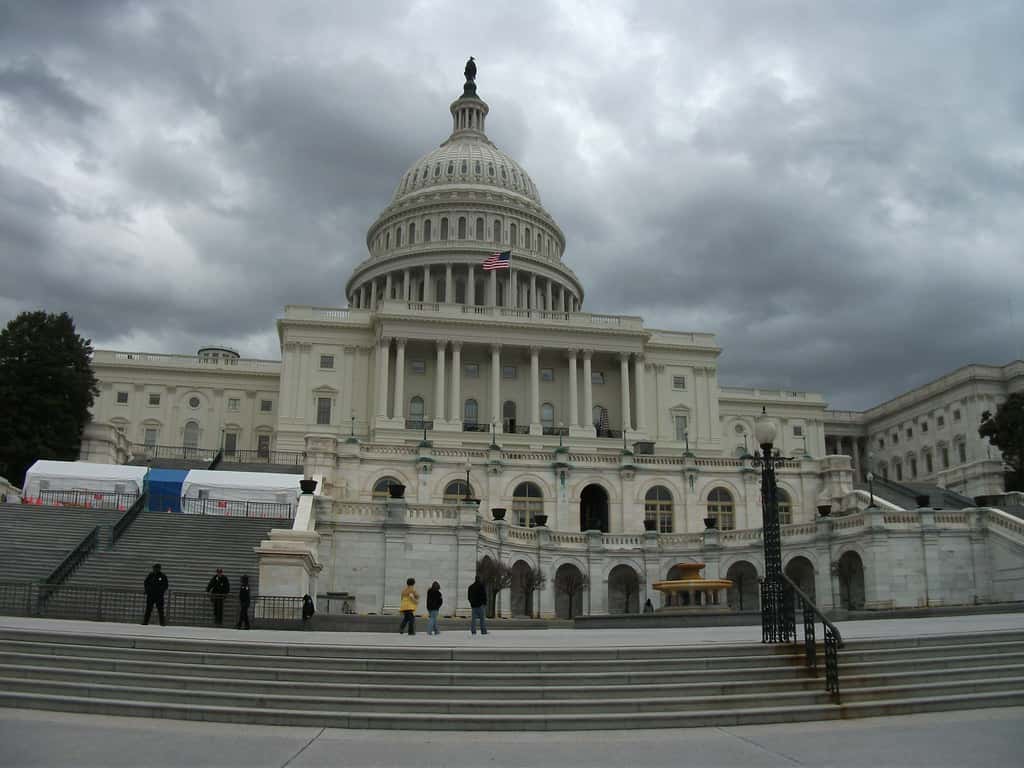
A rule proposed by the U.S. Department of Homeland Security would allow the federal government to fine certain immigrants $18,000 if they remain in the United States after receiving a deportation order issued in their absence. The proposal, published in the Federal Register on May 20, 2026, has rippled through South Florida, home to some of the nation's largest and most established immigrant communities.
Under the proposed rule, immigrants who fail to appear for their immigration court hearings and then stay in the country after being ordered removed in absentia could face the fine, which DHS said would be adjusted annually for inflation. The penalty would come in addition to the existing consequences of a removal order, including arrest and deportation.
For Miami-Dade and Broward counties, where immigrant families are woven into neighborhoods, workplaces, and the regional economy, the proposal has generated fear and uncertainty. CBS News Miami reported speaking with a South Florida immigrant who worries that he fits the criteria the rule describes and who said he is frightened by the prospect of an $18,000 fine.
DHS is accepting public comments on the proposed rule through June 22, 2026, a window that gives affected residents, advocates, and legal organizations an opportunity to respond before any final version takes effect. The comment period has become a focal point for South Florida's immigration legal-aid network as it weighs how to advise clients and how to engage with the rulemaking.
What the Proposed Rule Would Do
The core of the proposal targets immigrants with deportation orders entered in absentia, a legal term for an order issued when a person does not appear at a scheduled immigration hearing. When an individual misses a hearing, an immigration judge can order removal without the person present, and that order can stand even if the individual remains in the country.
Under the proposed rule, an immigrant who holds such an order and continues to live in the United States could be assessed a fine of $18,000. DHS indicated the amount would be adjusted each year for inflation, meaning the figure would rise over time if the rule is adopted as proposed.
The fine would not replace the existing enforcement framework but would add to it. According to the proposal, affected individuals could still face arrest and deportation, with the monetary penalty layered on top of the removal process. The combination of a substantial fine and the threat of removal is what has drawn the sharpest concern from affected residents.
Because the measure is a proposed rule rather than a final one, it is subject to the public comment process before it can be finalized. The Federal Register publication on May 20 opened that process, and the comment period running through June 22 represents the formal avenue for input on the proposal's terms and scope.
The Rationale DHS Has Offered
DHS has framed the proposed fine as a tool to recover costs and to influence the choices of immigrants who are subject to removal. According to the department, the increase is intended to help recoup the expense of deportations and to encourage what the administration describes as self-deportation, meaning departure from the country without direct government removal.
From the department's perspective, the penalty attaches a financial consequence to remaining in the United States after a removal order has been issued in absentia. The stated goal of cost recovery ties the fine to the resources involved in carrying out deportations, while the self-deportation rationale frames the measure as an inducement for voluntary departure.
The proposal fits within a broader enforcement posture that the administration has pursued, in which financial and logistical pressure is presented as a means of reducing the unauthorized population. The fine is one component of that approach, aimed specifically at individuals whose cases have already produced removal orders entered when they did not appear.
How effective such a measure would be, and how it would be administered, are among the questions that the comment period may surface. The department's stated rationale provides the official justification, while the practical mechanics of assessing and collecting an $18,000 penalty remain part of what observers will examine as the rule advances.
Why South Florida Feels It Acutely
South Florida's demographic makeup explains why the proposal lands with particular force in the region. Miami-Dade and Broward counties are home to large immigrant populations drawn from across the Caribbean and Latin America, communities that have shaped the region's culture and economy over decades.
For many families in these communities, immigration status is a present and personal concern, and a rule that introduces a five-figure fine touches households directly. The CBS News Miami account of a South Florida immigrant who fears he meets the rule's criteria reflects a worry that advocates say extends across neighborhoods where in-absentia orders are not uncommon.
In-absentia orders can arise for a range of reasons. A person may miss a hearing because of a change of address that prevented notice from reaching them, a misunderstanding of the date, transportation or work obstacles, or other circumstances. The result is the same: an order of removal entered without the individual present, which the proposed rule would now tie to a substantial fine.
The prospect of such penalties has heightened anxiety in a region where many residents are already navigating complex immigration situations. The fear described by affected individuals is not only of the fine itself but of the combined weight of a financial penalty and the renewed possibility of arrest and deportation.
The size of the proposed fine intensifies that anxiety. For working families, $18,000 represents a sum that could be difficult or impossible to absorb, and the prospect of facing it on top of a removal order compounds the sense of vulnerability. That combination of financial and immigration consequences is what residents like the individual described by CBS News Miami say they find most frightening.
The ripple effects extend beyond the individuals directly named in a removal order. South Florida households frequently include members of mixed immigration status, so a penalty assessed against one person can strain the finances of an entire family, including U.S. citizen children and relatives who depend on shared income. Advocates note that fear of enforcement can also discourage residents from routine activities, from reporting crimes to seeking medical care, a pattern that has accompanied past enforcement surges and that community organizations watch closely.
The Legal-Aid Response
South Florida's network of immigration attorneys and legal-aid organizations has long served as a resource for residents facing removal proceedings, and the proposed rule sharpens the demand for that guidance. Advocates are working to help residents understand whether they may be affected and what options the comment period and existing legal processes provide.
One immediate function of legal-aid groups is to clarify the difference between a proposed rule and an enforceable one. Because the measure is still in the comment phase through June 22, its terms are not yet final, and advocates can help residents avoid both panic and complacency by explaining where the rule stands in the process.
For individuals with in-absentia orders, legal counsel may also explore whether avenues exist to address the underlying order, such as motions to reopen in appropriate cases. The specifics depend on each person's circumstances, and the role of attorneys is to assess those individual situations rather than offer blanket assurances.
Demand for that guidance tends to spike whenever a high-profile federal proposal circulates, and the volume of questions can strain organizations that already operate with limited capacity. Many South Florida legal-aid providers serve clients in Spanish, Haitian Creole, and other languages, and accurate information in those languages helps counter the rumors that can spread quickly through communities when a measure like this surfaces. Attorneys often emphasize that residents should verify what they hear against the actual text of the rule rather than acting on secondhand accounts.
The comment period itself is a channel through which organizations and individuals can register their views with DHS. Legal-aid groups and community organizations in South Florida are positioned to participate in that process, submitting input that becomes part of the record the department considers before finalizing any rule.
The Broader Enforcement Climate in Florida
The proposed fine arrives amid a heightened immigration-enforcement environment in Florida, where state and federal authorities have pursued coordinated operations and where immigration has been a prominent political issue. The rule adds a new federal mechanism to that landscape, intersecting with the concerns already present in immigrant communities.
Florida has seen sustained attention to immigration enforcement, and South Florida's communities have followed those developments closely. A federal proposal introducing significant fines for individuals with removal orders contributes to an atmosphere in which many residents feel their circumstances are under increasing scrutiny.
The neutrality of the rulemaking process, with its comment period and formal procedures, sits alongside the lived reality of families weighing what the proposal could mean for them. Both the policy rationale articulated by DHS and the fears voiced by affected residents are part of the same unfolding story, and each shapes how the region experiences the proposal.
As the comment period proceeds, the broader enforcement climate provides the backdrop against which the rule will be evaluated. The outcome will depend not only on the department's final decision but on how the measure interacts with the wider set of immigration policies affecting Florida.
For South Florida specifically, the rule joins a series of federal and state actions that residents and advocates have tracked over recent months. Each new measure adds to a cumulative sense of uncertainty in communities where many households include members at various stages of the immigration process, and the proposed fine becomes one more factor shaping how those communities understand their circumstances.
What's Next
The most immediate milestone is the close of the public comment period on June 22, 2026. Until then, individuals, advocates, and organizations can submit input on the proposed rule, and that record will inform the department's decision on whether and how to finalize the measure.
After the comment period closes, DHS would review the submissions before issuing any final rule. The timing of a final decision is not specified, and the proposal could be adopted, modified, or reconsidered based on the comments received and the department's evaluation.
For South Florida residents who fear they meet the rule's criteria, the period ahead is one of uncertainty. Legal-aid organizations are likely to continue advising affected individuals, clarifying the rule's status, and helping residents understand their options as the process moves forward.
The proposal's ultimate effect on Miami-Dade, Broward, and the wider region will depend on the final form of the rule and how it is implemented. For now, the combination of a proposed $18,000 fine, the threat of arrest and deportation, and an open comment window has placed the region's immigrant communities and their advocates in a watchful posture.
Spotted an issue with this article?
Have something to say about this story?
Write us a letterComments
No comments yet. Be the first to weigh in.
Related Coverage

USDA's $8 Billion Harvest Fuel Relief: What Florida Growers and Fishermen Can Expect
10h ago

SpaceX Posts $4.4 Billion Profit on $14.6 Billion Revenue as Starship Readies for Florida Pads
11h ago

NOAA Weighs Reopening Part of Florida's Rare Oculina Bank Coral Reef to Shrimp Trawling
13h ago

Monroe County Elections Chief Investigating Video of Apparent Armed Federal Agents Outside Keys Early Voting Site
13h ago