Dolphins Face a 6 p.m. Deadline to Cut Their Roster to 53
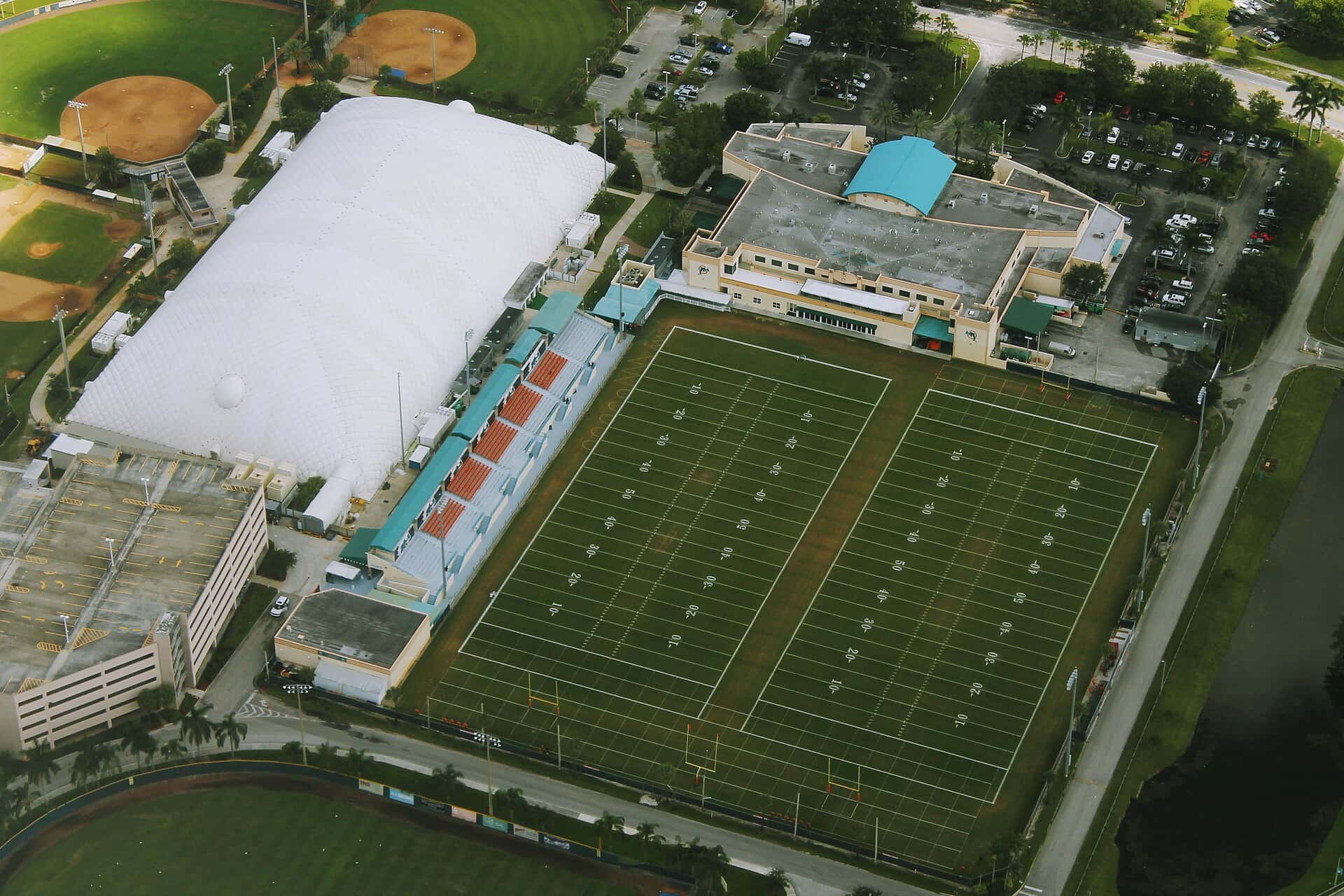
The Miami Dolphins face the NFL's roster cutdown deadline at 6 p.m. Eastern on Sunday, the point at which all 32 teams must reduce from 90 players to 53. Miami closed its preseason schedule with a loss to the Atlanta Falcons on Friday night, leaving the coaching staff a compressed window between the final game and the deadline to settle the last decisions on the back end of the roster.
Cutdown day is the most consequential administrative date on the NFL calendar outside of the draft and the start of free agency. Roughly 1,100 players across the league lose their jobs within a few hours, waiver claims reshuffle depth charts overnight, and the practice squads that teams assemble the following day determine which developmental players stay in a building and which move on.
For a Dolphins organization that has spent recent seasons trying to convert talent into January results, the composition of the bottom of the roster matters more than it appears. Special teams contributors, swing offensive linemen and backup defensive backs are the players who determine whether a team survives the injuries that every NFL season produces.
How the deadline works
Teams must be at 53 players by 6 p.m. Eastern. Players with fewer than four accrued seasons who are released are subject to waivers, meaning other teams can claim them and assume their contracts. Players with four or more accrued seasons become unrestricted free agents immediately and can sign anywhere.
Waiver claims are processed the following day in reverse order of the prior season's standings, which gives the league's worst teams first access to released players. Players who clear waivers become free agents and are eligible to sign to any team's practice squad, including the team that just released them.
Practice squads carry 16 players, with a 17th slot available if a team uses it on an international player under the league's international player pathway program. Practice squad players can be signed to another team's active roster during the season, which is why teams sometimes make roster decisions designed to protect a player they want to keep developing.
Injured reserve designations are the other lever. A player placed on injured reserve before the initial 53-man roster is set is generally out for the season, while a player placed on injured reserve after the roster is established can return after a minimum number of weeks under the league's return-from-IR rules. That timing distinction drives some decisions that look puzzling from the outside.
Injuries shaping Miami's decisions
Rookie linebacker Trey Moore is set to undergo surgery on his left ankle and is expected to be out for an extended period, removing a young player from the linebacker room during the stretch when depth decisions get made. Injuries to drafted rookies complicate cutdown math because teams are reluctant to expose recent draft picks to waivers.
Free agent signee Jamaree Salyer will miss the entire season after being placed on injured reserve during the summer. Losing a veteran offensive line addition before the season starts puts additional weight on the players already in the building and reduces the flexibility a team has when evaluating its final line spots.
Miami also made a rare player-for-player trade ahead of the deadline, sending veteran wide receiver Tutu Atwell to the Los Angeles Rams in exchange for running back Jarquez Hunter. Straight player swaps are uncommon in the NFL, where draft pick compensation is the standard currency, and they typically signal that both teams identified a surplus and a need that matched.
Trades of this kind cluster around cutdown day because teams that expect to lose a player on waivers prefer to recoup something. The window closes at the deadline, after which any acquisition has to come through waivers or free agency.
The offensive line question
Miami returns four starters along the offensive line from last season, with Savaiinaea moving to right guard and first-round pick Proctor slotting in at left guard. Continuity along an offensive line is generally valuable because the position group depends on communication and timing more than any other on the field.
Position changes complicate that continuity. Moving an interior lineman from one guard spot to the other requires relearning footwork, hand placement and combination blocks with different neighbors, and preseason is where those adjustments get tested against live opponents rather than against teammates who already know the calls.
Rookie starters on the interior line are a calculated bet. First-round guards typically arrive more NFL-ready than tackles because the position demands less in space, but the transition still involves adjusting to defensive tackles who are stronger and quicker than anything a college schedule provides.
Depth behind the starting five is where the roster decision actually sits. Teams typically carry eight or nine offensive linemen, and the swing players must be able to cover multiple positions because game day inactive lists leave little room for specialists.
The linebacker group
Jordyn Brooks anchors what has been described as among Miami's strongest position groups. Brooks arrived as a veteran addition and brings the kind of experience that stabilizes a defense's communication, since the linebacker level is where defensive calls typically get relayed and adjusted.
Second-round pick Rodriguez made plays throughout the summer and has been in position to open the season with a starting job. Rookies who earn starting roles at linebacker generally do so through instincts and processing speed rather than through physical traits alone, because the position requires reading run and pass keys in the same instant.
Moore's ankle surgery reduces the group's depth just as the roster gets set, which typically means a team either keeps an additional linebacker it otherwise would have cut or looks at the waiver wire for a special teams contributor who can play in a pinch.
Linebacker depth matters disproportionately for special teams. Coverage units are built heavily from backup linebackers, safeties and running backs, and a team that cuts too thin at those positions finds itself with kickoff and punt units staffed by players it would rather protect.
What Dolphins fans should watch
The waiver wire on Monday is the immediate item. Miami's waiver priority position determines which released players from other teams it can claim, and every year several players cut on Sunday become meaningful contributors elsewhere within weeks.
Practice squad construction follows. The players Miami re-signs to the practice squad after clearing waivers indicate which developmental projects the staff values, and practice squad elevations during the season provide a preview of how the depth chart will look if injuries hit.
Roster moves at specific positions reveal how the staff evaluates its own depth. Carrying an extra player at one position and fewer at another is the clearest available signal of where the coaching staff feels comfortable and where it does not.
The regular season opener follows in about two weeks, and rosters set on cutdown day rarely survive intact to Week 1. Teams routinely make additional moves in the days after the deadline as waiver claims and free agent signings displace players who made the initial cut.
The schedule and the division ahead
Miami competes in the AFC East, where divisional games account for six of the seventeen-game schedule and where the standings have historically been decided by narrow margins. Divisional familiarity means coaching staffs prepare for the same opponents twice a year, which rewards depth and adaptability over a single scheme.
September weather is a genuine competitive factor for the Dolphins. Early-season home games at Hard Rock Stadium are played in heat and humidity that visiting teams from northern markets are not acclimated to, and Miami has historically scheduled and prepared with that advantage in mind.
Injury attrition determines how much the roster set this weekend matters by December. NFL teams routinely use well over 53 players across a season, and the practice squad and in-season signings fill the gaps. Organizations that stock depth at premium positions handle that attrition better than those that concentrate resources at the top.
Hard Rock Stadium in Miami Gardens also hosts events beyond Dolphins games, including college football, international soccer and, in 2026, World Cup matches, which has driven continued investment in the facility beyond what NFL operations alone would require.
What's next
Miami plays its home games at Hard Rock Stadium in Miami Gardens, and the regular season schedule begins in September. The team's season outlook has generated the usual range of projections, and the roster set this weekend is the group that will answer those questions on the field.
Injury designations will clarify over the coming days. Players placed on injured reserve after the 53-man roster is established remain eligible to return during the season under league rules, and Miami's handling of those designations will indicate which injured players the organization expects back.
Contract and cap implications follow every release. Released players with guaranteed money remaining count against the salary cap as dead money, and the total accumulated on cutdown day affects a team's flexibility to make in-season additions.
Fans tracking the roster should follow the team's official transaction announcements, which are the authoritative record. Reports ahead of official announcements are frequently accurate but occasionally reflect decisions that change before the deadline passes.
For the players released this weekend, the waiver period is the immediate concern. Players with fewer than four accrued seasons can be claimed by any team, with priority running in reverse order of last season's standings, and those who clear become free agents eligible for any practice squad.
Careers frequently survive a cutdown. A significant number of established NFL players were released at least once early in their careers, and the practice squad has become a standard development path rather than a dead end.
The NFL Players Association provides transition benefits tied to accrued seasons, including continued health coverage for a defined period, and agents typically begin working other opportunities immediately rather than waiting out the waiver process.
Spotted an issue with this article?
Have something to say about this story?
Write us a letterComments
No comments yet. Be the first to weigh in.
Related Coverage

Mike Norvell Says Florida State's Results Have Not Been Good Enough as Job Questions Mount Before Miami Trip
1h ago
Jeff Hafley Sticks With Malik Willis at Quarterback as 0-5 Dolphins Head Into Their Bye Week
1h ago
Orlando City Edges Columbus Crew 3-2 on Iván Angulo's Late Winner and Maxime Crépeau's Record 12 Saves
23h ago

Inter Miami Routs D.C. United 4-0 as Messi and Suárez Score Twice Each, Climbs to Second in the East
1d ago