No Florida College or University Has Joined the Armed Guardian Program Five Months After HB 757 Became Law
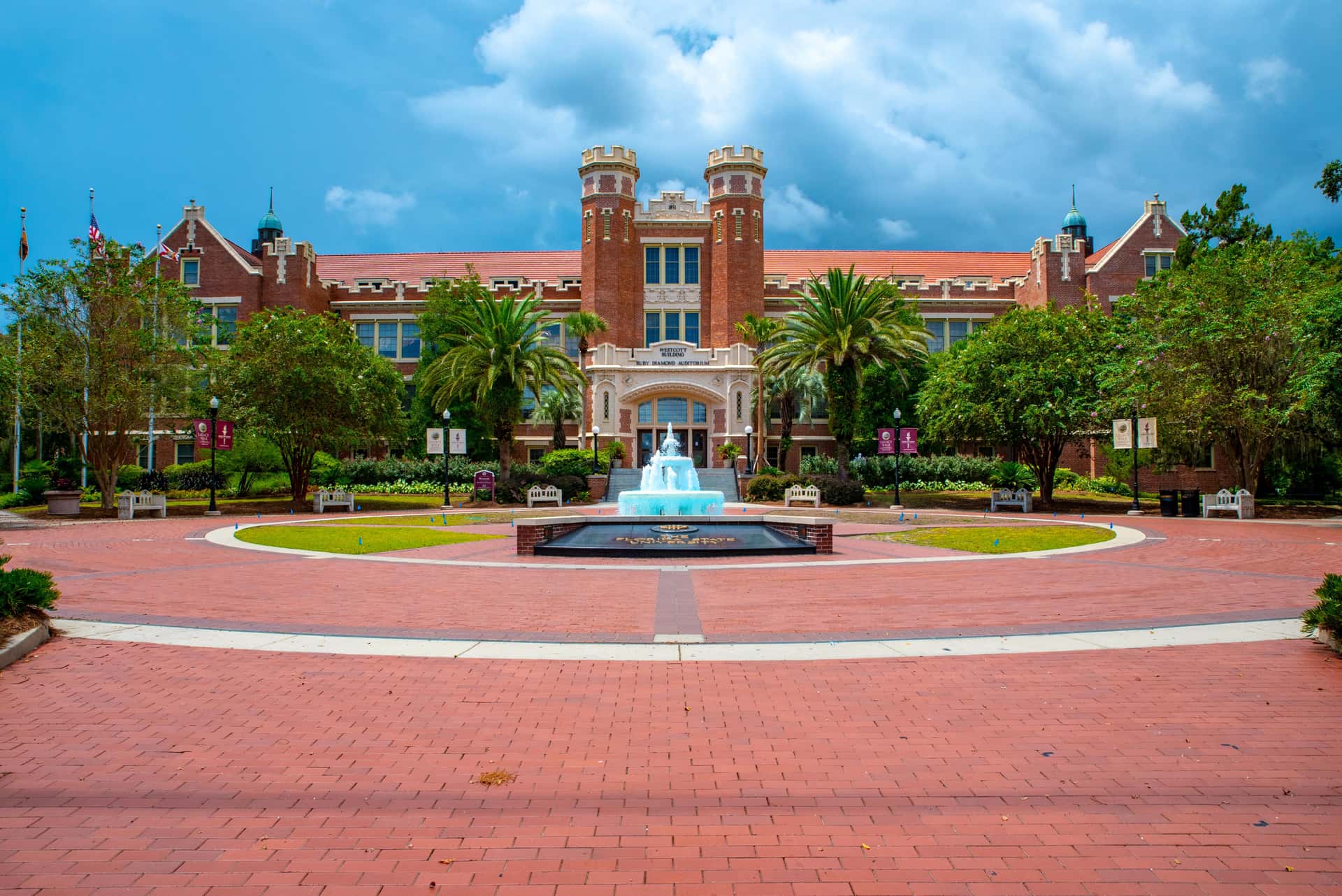
Five months after Gov. Ron DeSantis signed a law letting Florida's public colleges and universities arm trained employees, no institution has joined the program, according to gun safety groups tracking it. HB 757, approved during the 2026 legislative session and signed May 15, opened the state's school guardian program to campuses for the first time, a response in part to the April 2025 shooting at Florida State University. A survey of campuses by the Florida Phoenix, republished by WLRN on Oct. 12, found only one school willing to say where it stands: the University of South Florida, which said it is still reviewing the requirements.
What the law allows
The law adds public postsecondary institutions, including state universities, Florida College System schools and state workforce education programs, to the Chris Hixon, Coach Aaron Feis and Coach Scott Beigel Guardian Program. The program was created for K-12 schools after the February 2018 shooting at Marjory Stoneman Douglas High School in Parkland, where 17 people were killed.
Under HB 757, a college or university president may appoint employees or faculty members to serve as armed guardians. Participation is optional. According to the final House bill analysis, guardians must meet the same requirements as their K-12 counterparts:
- Hold a concealed weapons license or be otherwise eligible to carry a concealed firearm
- Pass a psychological evaluation by a licensed psychologist
- Pass an initial drug test and later random drug tests
- Complete 144 hours of sheriff-run training, including 132 hours of firearm safety and proficiency training and at least 12 hours on de-escalation and response
Guardians may act only to stop an active assailant and have no other law enforcement authority. Campuses in counties where the sheriff does not run a guardian program may have their guardians trained by another county's sheriff, and the sheriff providing training is reimbursed so there is no cost to the institution, the analysis says.
More than a guardian bill
The bill also includes a set of campus safety mandates that are not optional. Section 1006.601, Florida Statutes, created by the bill, is titled the Active Response and Mitigation of On-Campus Risks (ARMOR) Act.
| Provision | What it requires | When |
|---|---|---|
| Campus guardians | Presidents may appoint armed employees or faculty | May 15, 2026 |
| Firearm discharge near schools | Second-degree felony within 1,000 feet of a school during school hours or activities | Oct. 1, 2026 |
| FortifyFL | Campuses without a safety app must promote the state tip tool | Schools lacking an app as of July 1, 2026 |
| Student records | K-12 threat assessments and psychological evaluations follow students to college | Rules by state boards |
| Campus plans | Active assailant plan, family reunification, threat management teams, annual risk assessment | Rules by state boards |
The new felony carries up to 15 years in prison and a $10,000 fine, with exceptions for lawful self-defense and for people authorized to be on the property. People arrested under it must be held until a first appearance before a judge. Because state law defines "school" to include postsecondary schools, public or private, the offense covers college campuses as well as K-12 schools.
Colleges and universities must also train faculty to detect and respond to mental health issues, connect students with mental health services, post suicide prevention information and adopt policies supporting students and employees who are victims or targets of violence. The bill lets institutions apply for security grants based on their risk assessments, subject to legislative funding.
How it passed
CS/CS/HB 757 was sponsored by Reps. Michelle Salzman and Alex Rizo, with Rep. Susan Valdés among the co-introducers. The House passed it 83-25 on Feb. 25, the Senate approved an amended version 26-10 on March 11, and the House concurred 88-20 on March 12. DeSantis signed it at the Commissioner's Summit on school safety in Miami, and it became Chapter 2026-80, Laws of Florida.
"We've made historic strides to implement school safety measures that are working to protect our schools," DeSantis said at the signing, according to his office. Education Commissioner Anastasios Kamoutsas said extending the guardian program to higher education was a way of "equipping campuses."
Why no campus has opted in
Everytown for Gun Safety, Moms Demand Action and Students Demand Action say no Florida college or university has signed up. The Phoenix contacted several campuses; only USF responded. Althea Johnson, senior director for media relations on USF's Tampa campus, said the university is "reviewing the implementation requirements of the Guardian Program" in consultation with the Florida Board of Governors, which oversees the State University System.
"That's why not one school has opted into this program," said Angela Ferrell-Zabala, executive director of Moms Demand Action. "The people have spoken. Now lawmakers need to listen." Emily Dornan, a volunteer with FSU Students Demand Action, said "that non-participation isn't an accident" and that "bringing more guns into lecture halls and libraries doesn't make us safer."
Valdés, a Tampa-area Republican who co-sponsored the bill, said lawmakers approved it partly because of the FSU shooting, but she was not troubled by the lack of takers. "It brings me comfort to a certain degree that the universities have felt that they haven't had the need to implement it," she told the Phoenix.
U.S. Rep. Maxwell Frost, a Central Florida Democrat, said in a statement that "our focus should be on commonsense measures that prevent gun violence before it happens." State Sen. Carlos Guillermo Smith, an Orlando Democrat, warned when the bill was signed that guns on campus "can create a lot of confusion when law enforcement shows up to respond to an active shooter situation," according to WUWF.
Criticism from gun-rights advocates
The law also draws fire from the other direction. Luis Valdes, Florida state director of Gun Owners of America and Fuerza 2A, said his groups "view HB 757 as a fake campus carry bill." Gun-rights groups have long pushed for a law allowing concealed-license holders to carry on Florida campuses, which the Legislature has not passed. "Gun-free zones do not stop criminals," Valdes said.
The FSU shooting behind the bill
On April 17, 2025, a gunman opened fire on the FSU campus in Tallahassee shortly before noon, killing two people and wounding others; the incident was over in less than five minutes, according to a Tallahassee Police Department timeline cited by House staff. FSU students marched to the Capitol on April 23, 2025, less than a week later. In October 2025, the State University System held a safety summit for university and college leaders that produced recommendations on building hardening, threat assessment, training and communications, several of which are reflected in the new campus planning requirements.
What's next
The State Board of Education and the Board of Governors have authority to write rules for the guardian program on campuses, the safety plans and the transfer of student threat assessment records. Those rules, and any decision by USF after its review, will show whether the campus guardian option is used. The new felony for firing a gun near a school took effect Oct. 1, and the planning mandates apply to every public institution whether or not it ever arms its staff.
Spotted an issue with this article?
Have something to say about this story?
Write us a letterComments
No comments yet. Be the first to weigh in.
Related Coverage

Panhandle Schools Ordered to Reopen Wednesday After Isaias as UWF Stays Closed and Postpones Diaz Inauguration
13m ago

More Than 300 Books Removed From Central Florida Schools as State Orders Districts to Pull More
1h ago
Uthmeier to Investigate Broward Schools Laptop Contracts After Watchdog Says Staff Misled the Board
1d ago

Leon County Schools Weighs $30 Million Payroll Loan as 29 Florida Districts Ask Voters for More Tax Money
1d ago