Dr. Herbert Wertheim Gives $100 Million to Miami Cancer Institute in Historic Gift
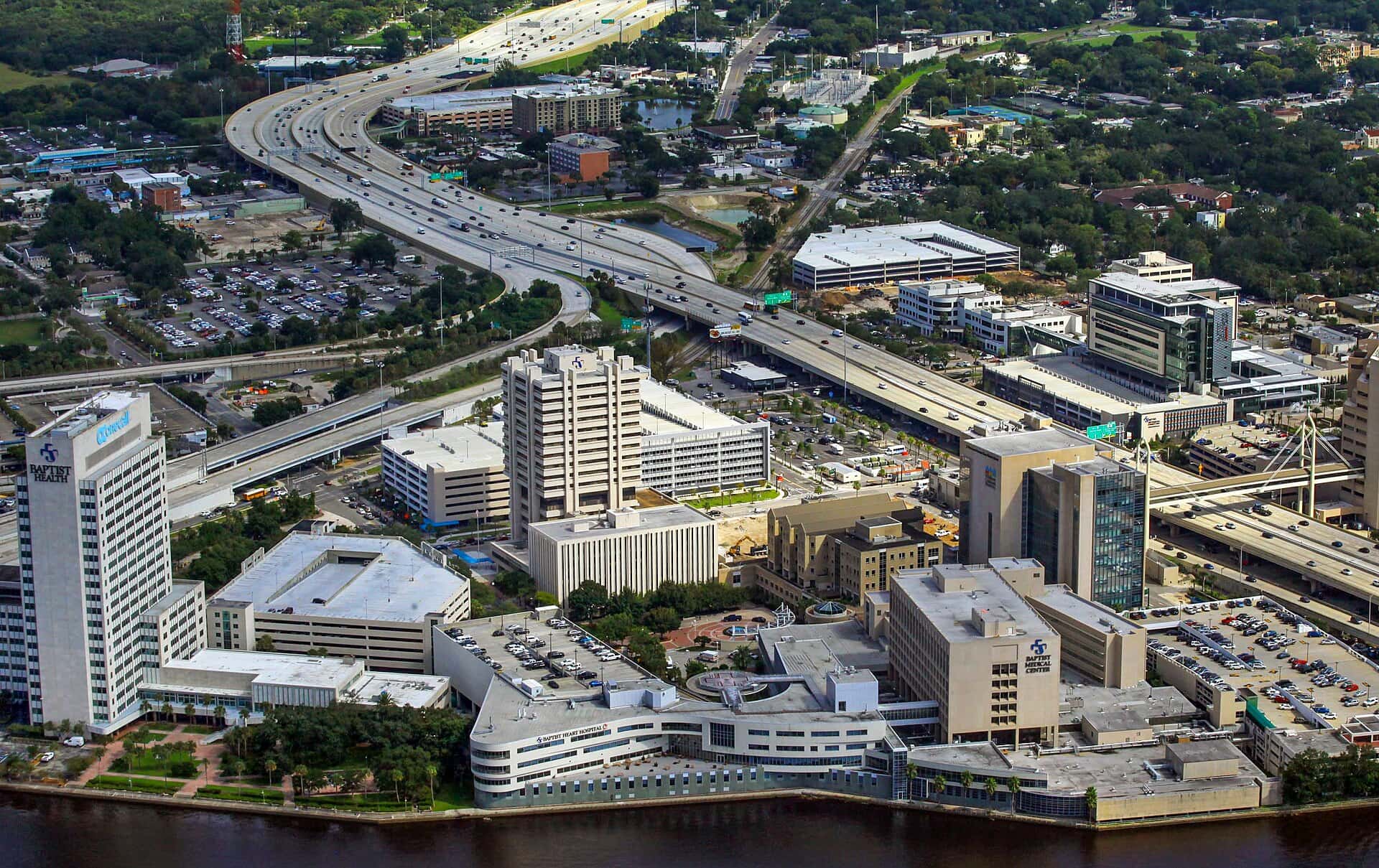
A Historic Gift for South Florida Cancer Care
Baptist Health Foundation announced on May 20, 2026, that Miami-based philanthropist and entrepreneur Dr. Herbert Wertheim has donated $100 million to Miami Cancer Institute, making it the largest single philanthropic gift in the 66-year history of Baptist Health South Florida. The gift reshapes the future of cancer care, research, and prevention for one of the most diverse and populous metropolitan areas in the United States. In recognition of the contribution, Miami Cancer Institute will be renamed the Herbert Wertheim Cancer Institute.
The announcement was made at a public ceremony that drew hospital leadership, researchers, community leaders, and medical professionals from across South Florida. Baptist Health officials described the donation as transformational not only in its financial scale but in the breadth of its ambitions: the gift is structured to advance cancer treatment, scientific research, early detection, prevention, education, and innovation simultaneously rather than directing resources toward a single program or department.
Dr. Wertheim, the founder of Brain Power Inc. and the inventor of tinted contact lens technology, has a long history of large-scale philanthropy in Florida. He previously made significant donations to Florida International University, whose College of Medicine bears his name. The May 2026 gift to Baptist Health builds on that relationship and deepens his commitment to improving health outcomes for South Florida's racially and economically diverse communities.
Establishing the Transformational Impact Fund
A central component of the $100 million commitment is the creation of the Herbert Wertheim Cancer Institute Transformational Impact Fund. According to a release from Baptist Health Foundation, the fund is dedicated to advancing cancer care across five pillars: treatment, research, prevention, education, and innovation. Leadership at the institute described the fund as providing enduring financial support that will allow the organization to pursue initiatives that might otherwise be constrained by the year-to-year uncertainties of grant funding and insurance reimbursement.
The Transformational Impact Fund is designed to give institute leadership flexibility to respond to emerging opportunities in oncology, including funding early-stage research projects, supporting clinical fellowship programs, and investing in technologies that have not yet reached the stage where traditional funding mechanisms apply. Hospital administrators said the fund structure reflects Dr. Wertheim's philosophy that the most consequential breakthroughs in medicine often require patient, long-term investment rather than short-cycle grant cycles.
A portion of the fund will be directed toward education and workforce development in oncology. The institute currently trains fellows and residents who go on to practice cancer medicine across the region, and the additional resources are expected to expand the number of trainees and the depth of the educational curriculum. Baptist Health officials said building the pipeline of specialized cancer care providers is essential given South Florida's growing and aging population.
The Dr. Herbert Wertheim Center for Cancer Prevention
One of the most distinctive elements of the gift is the establishment of the Dr. Herbert Wertheim Center for Cancer Prevention, a dedicated research and clinical unit focused on stopping cancer before it starts. According to Baptist Health, the prevention center will concentrate its work on four interconnected areas: genomic risk assessment, early detection technologies, cancer screening programs, and community-based prevention initiatives.
Genomic risk assessment involves analyzing an individual's genetic profile to identify inherited mutations and variants that elevate the risk of developing specific cancers. By identifying high-risk individuals before disease develops, clinicians can recommend enhanced surveillance, preventive medications, or lifestyle interventions that reduce the probability that cancer will occur. The prevention center aims to bring this technology to a broader cross-section of South Florida's population, including communities that have historically had limited access to genetic counseling services.
Early detection and screening technology development is a second priority for the center. Research in this area focuses on improving the sensitivity and accessibility of screening tools so that cancers are identified at earlier, more treatable stages. The center will also pursue community-based prevention programs that address the social and behavioral risk factors for cancer, including tobacco use, diet, physical inactivity, and barriers to routine screening. Baptist Health officials said reaching South Florida's diverse communities, including large populations of Caribbean, Central American, and South American origin, requires culturally tailored outreach and programming.
Pursuing National Cancer Institute Designation
A major portion of the $100 million gift is dedicated to supporting Miami Cancer Institute's pursuit of designation by the National Cancer Institute, a branch of the National Institutes of Health. NCI designation is the most prestigious recognition available to cancer research programs in the United States and carries significant implications for the institute's scientific infrastructure, funding access, and ability to offer cutting-edge clinical trials to patients.
There are approximately 72 NCI-designated cancer centers in the United States as of 2026. Achieving designation requires demonstrating excellence across multiple dimensions of cancer research, including laboratory science, clinical investigation, and population-based research. Designated centers receive federal funding that can run into tens of millions of dollars annually and gain access to cooperative group clinical trials that give patients options not available at non-designated facilities.
Baptist Health has been working toward NCI designation for several years. According to a release from the institution, Dr. Wertheim's gift accelerates that process by funding key infrastructure investments, supporting the recruitment of nationally recognized research faculty, and expanding the scope and number of clinical trials offered at the institute. The $100 million contribution enables the institute to address gaps in its research portfolio that have been identified as requirements on the path to NCI designation.
Expanding clinical trial access is particularly significant for South Florida's patient population. Clinical trials offer patients access to experimental therapies and approaches that are not yet standard of care, and enrollment in trials often correlates with improved outcomes. The institute's leadership said increasing trial availability and ensuring that trials reflect the demographic diversity of the community are both priorities for the years ahead.
Strengthening the Florida International University Partnership
The gift from Dr. Wertheim also accelerates an existing partnership between Baptist Health South Florida and Florida International University's Herbert Wertheim College of Medicine. That collaboration, which has developed over several years, pairs the clinical resources and patient population of the health system with the research capabilities and academic mission of the university's medical school.
According to Baptist Health officials, the $100 million contribution will enable both institutions to deepen their joint work in cancer research and education. Collaborative faculty appointments, shared research infrastructure, and joint grant applications are among the mechanisms through which the two institutions plan to leverage the gift. FIU's Herbert Wertheim College of Medicine has a particular focus on serving medically underserved communities, an emphasis that aligns with the prevention center's community outreach goals.
The partnership represents an increasingly common model in academic medicine, in which community hospitals and university-based medical schools combine resources to achieve research and educational goals that neither could accomplish independently. For Miami Cancer Institute, the affiliation with FIU provides academic credibility and access to research faculty that strengthens its case for NCI designation. For FIU, the partnership provides clinical training opportunities for medical students and residents in a high-volume cancer care setting.
Dr. Wertheim's Philanthropic Legacy
Dr. Herbert Wertheim built his fortune through Brain Power Inc., the company he founded that pioneered tinted contact lens technology. His inventions and business ventures generated the resources that have made him one of South Florida's most active and impactful philanthropists over several decades. His previous gifts to Florida International University, culminating in the naming of the Herbert Wertheim College of Medicine, transformed that institution's medical education mission.
Wertheim has spoken publicly in interviews and public forums about his belief that investing in science, medicine, and education is among the highest uses of private wealth. His philanthropic approach emphasizes giving to institutions that serve broad populations rather than narrow constituencies, and he has consistently directed major gifts toward organizations that prioritize access to underserved communities alongside scientific excellence.
The May 2026 gift to Baptist Health is notable not only for its size but for its structure. By creating named funds and a named center in addition to supporting the renaming of the institute itself, Dr. Wertheim and Baptist Health have established mechanisms intended to sustain his philanthropic vision beyond any single program cycle. The Herbert Wertheim Cancer Institute and the Dr. Herbert Wertheim Center for Cancer Prevention are intended to carry that mission forward for generations.
What the Gift Means for South Florida Patients
For the millions of people who live in Miami-Dade, Broward, and Palm Beach counties, the practical effect of the $100 million gift is expected to manifest in several ways over the coming years. More clinical trials will become available to patients who previously would have needed to travel to institutions in other states to access experimental treatments. Enhanced genetic testing and counseling programs will reach community health settings beyond the main hospital campus. Screening programs targeting historically underserved populations will expand their reach and frequency.
South Florida's cancer burden reflects the region's demographic complexity. The area has high rates of certain cancers that are more prevalent in populations of Hispanic and Caribbean origin, and access disparities mean that many residents are diagnosed at later stages when treatment is more difficult and outcomes are worse. The prevention center's focus on genomic risk assessment and community-based programs is specifically designed to address those disparities by identifying high-risk individuals earlier and bringing resources directly to communities rather than requiring individuals to navigate complex healthcare systems on their own.
Baptist Health officials said the institute will begin implementing programs funded by the gift within months of the announcement. Planning for the prevention center's initial programs, including expanded genomic risk assessment clinics and community screening events, is already underway. The pursuit of NCI designation is expected to be an ongoing multiyear process, with the resources provided by Dr. Wertheim's gift enabling the institute to hit milestones that had previously been beyond its financial reach.
Looking Ahead at the Herbert Wertheim Cancer Institute
The renaming of Miami Cancer Institute to the Herbert Wertheim Cancer Institute takes effect immediately following the announcement. Hospital leadership said the name reflects not only Dr. Wertheim's financial contribution but his personal commitment to the institution's mission and his ongoing engagement with its leadership on strategic priorities. The institute has invited Dr. Wertheim to remain involved in advisory capacity as the new programs funded by his gift take shape.
For Baptist Health South Florida, the $100 million commitment marks a turning point in the organization's ambitions for its cancer program. The health system has been steadily building its cancer care capabilities since the institute opened, and the combination of Dr. Wertheim's gift, the FIU partnership, and the push for NCI designation positions the institution to compete with the most prominent cancer centers in the southeastern United States.
The gift also reflects a broader trend in American medicine in which major philanthropic contributions are increasingly driving the advancement of cancer centers in states outside the traditional northeastern academic medical hub. Florida's large and growing population, combined with its role as a destination for retirees who represent a high-risk demographic for many cancers, makes the state a particularly important location for investment in cancer care infrastructure. The Herbert Wertheim Cancer Institute aims to ensure that South Florida's patients have access to the same quality of care available at the nation's top cancer centers without having to leave their home communities.
Spotted an issue with this article?
Have something to say about this story?
Write us a letterComments
No comments yet. Be the first to weigh in.
Related Coverage

DeSantis Says Florida Has Cut 220 Medicaid Providers and Sent 150 Fraud Referrals as Crackdown Expands
2d ago

Tampa General takes over DeSoto County's only hospital, renaming it TGH DeSoto
3d ago
Florida on pace for record child drownings as families seek swim lessons
Oct 3
Florida Attorney General James Uthmeier Sues Pfizer and CEO Albert Bourla Over COVID-19 Vaccine Claims
Oct 2