Fed Expected to Hold Rates Steady, Keeping Pressure on Florida Housing
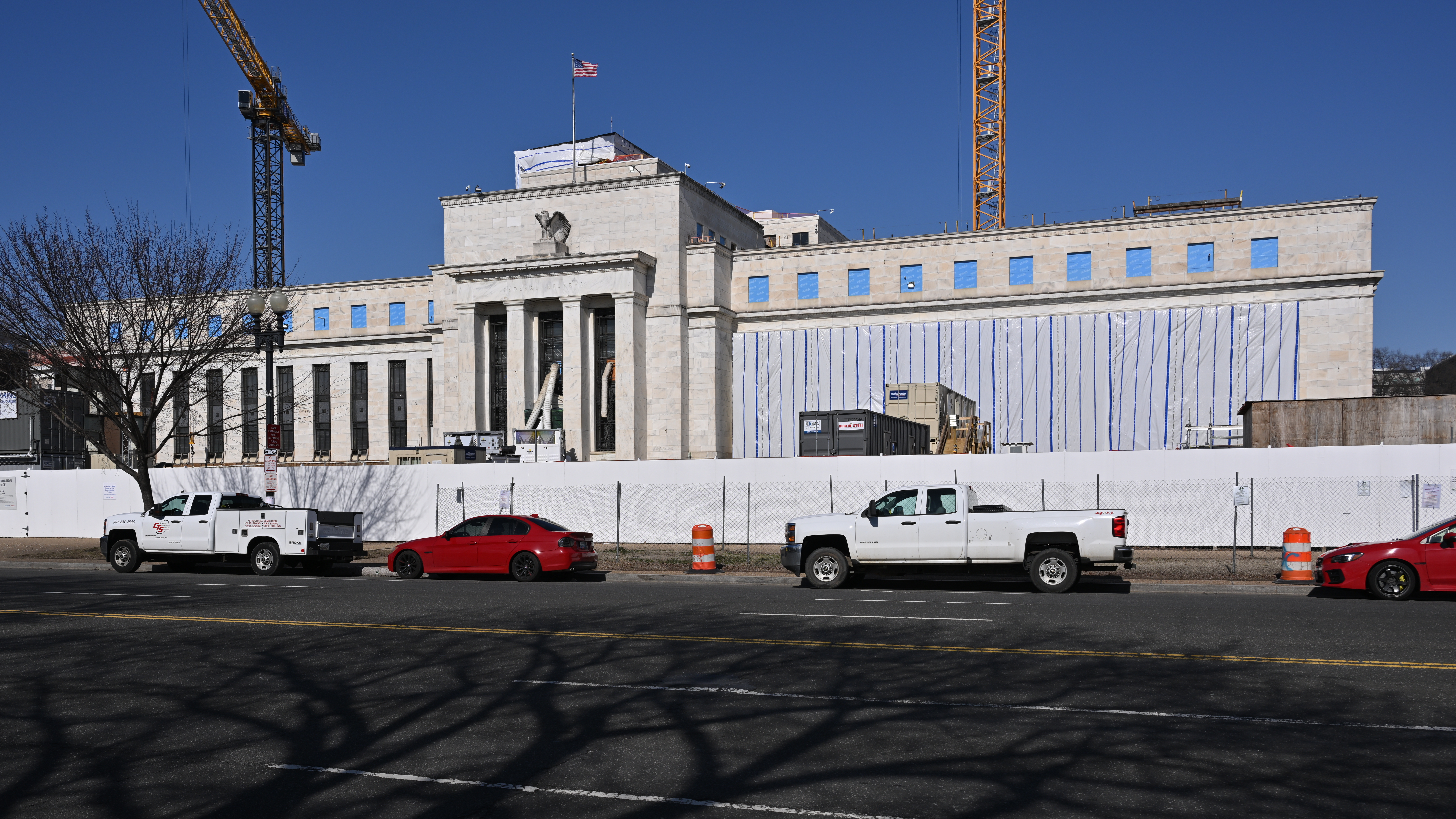
The Federal Reserve is widely expected to leave its benchmark interest rate unchanged when its policy meeting concludes on June 17, 2026, a decision that would keep borrowing costs elevated for Florida homebuyers, builders, and retirees. The Federal Open Market Committee, the Fed's rate-setting body, meets June 16 and 17, and markets and economists overwhelmingly anticipate no change to the current target range of 3.50% to 3.75%.
The expectation is striking in its near-unanimity. Market-implied probability of no change sits near 99%, reflecting a consensus that the central bank will stay in a wait-and-see posture rather than move rates in either direction. Because the decision is not announced until June 17, the outcome remains a projection, but the conviction behind it is unusually strong.
For Florida, where housing affordability has been strained and where a large retiree population lives on fixed incomes and savings, the Fed's stance reverberates well beyond Washington. Mortgage rates that remain higher for longer weigh on a state housing market that recorded a median sale price of about $395,595 in May 2026, shaping decisions for first-time buyers and homebuilders alike.
What the Fed Is Expected to Do
The FOMC's June 16-17 meeting is expected to end with the benchmark rate held steady within its current target range of 3.50% to 3.75%. That outcome would extend the central bank's pause, leaving rates where they have stood since the Fed's most recent adjustment.
The strength of the expectation is notable. With market-implied odds of no change near 99%, investors have effectively priced in a hold, leaving little room for surprise. Economists broadly share that view, framing the decision as a near-certainty rather than a close call, though the official word will come only when the committee announces its decision on June 17.
A hold would signify continuity in monetary policy. Rather than easing to stimulate the economy or tightening to cool it, the Fed would maintain its current setting, signaling that policymakers see no immediate need to shift course. That steadiness has direct implications for the borrowing costs that ripple through the broader economy.
Because the announcement is still pending, the appropriate framing is one of expectation. Economists expect a hold, and markets have priced one in, but the committee retains the discretion to act, and the formal outcome will be confirmed only when the meeting concludes.
Why the Fed Is on Hold
The central bank's wait-and-see posture stems from a mix of economic signals that have given policymakers reason to neither cut nor raise rates. Inflation has remained sticky, staying elevated enough to discourage further easing, while the labor market has shown resilience, with unemployment near 4.4%.
Sticky inflation is a central consideration. When price pressures fail to recede as quickly as hoped, cutting rates risks reigniting them, so the Fed has reason to hold its position rather than ease prematurely. The persistence of inflation effectively ties the central bank's hands on the dovish side of the ledger.
At the same time, an unemployment rate near 4.4% suggests the labor market is not deteriorating in a way that would pressure the Fed to cut rates to support jobs. With employment holding up, policymakers lack the urgency that a weakening labor market might otherwise create, reinforcing the case for patience.
The Fed's last cut came in late 2025, and the period since has been defined by this balancing act between stubborn inflation and a steady labor market. The result is a holding pattern in which the central bank waits for clearer evidence before committing to its next move in either direction.
The Hit to Florida Homebuyers
For Florida homebuyers, a continued hold means mortgage rates are likely to stay elevated, sustaining the affordability squeeze that has shaped the state's housing market. Higher financing costs translate directly into larger monthly payments, narrowing the pool of buyers who can afford a given home and pushing some out of the market entirely.
First-time buyers feel this most acutely. Without the equity that existing owners can roll into a new purchase, first-time buyers depend heavily on financing, and every increment of mortgage cost raises the bar to entry. In a state where the median sale price reached about $395,595 in May 2026, elevated rates compound an already significant affordability challenge.
The pressure does not act in isolation. Florida buyers also contend with high property-insurance costs, and the combination of an elevated mortgage payment and a steep insurance premium can push the total monthly outlay beyond what many households can manage. Higher-for-longer rates intensify that squeeze, magnifying the effect of the state's other carrying costs.
The cumulative result is a market in which demand is tempered by the cost of borrowing. Buyers who might otherwise be ready to purchase find the math harder to reconcile, a dynamic that influences sales volume, pricing, and the broader health of Florida's housing sector.
Builders and the Supply Side
Florida's homebuilders are exposed to elevated rates from multiple directions. On the demand side, higher mortgage costs cool buyer appetite, slowing the pace at which new homes sell. On the financing side, builders themselves rely on borrowing to fund construction, and a higher rate environment raises the cost of bringing new supply to market.
This dual pressure can complicate decisions about how much to build and when. When borrowing is expensive and buyer demand is uncertain, builders may proceed more cautiously, a dynamic that has implications for the supply of new housing in a state that has absorbed substantial population growth.
The supply question matters for affordability over the longer term. Adequate new construction can help moderate prices by expanding inventory, but a high-rate environment that discourages building risks constraining supply at a time when the state continues to attract new residents. The interplay between rates and construction is therefore central to Florida's housing outlook.
A continued Fed hold keeps these pressures in place. Without relief on rates, builders face the same elevated costs and cautious demand that have characterized the recent environment, shaping the pace and scale of new development across the state.
Retirees on Fixed Incomes
Florida's large retiree population occupies a distinctive position in the rate debate. Unlike younger workers, many retirees rely on fixed incomes and savings rather than wages, which changes how monetary policy affects their financial lives. For this group, the Fed's stance cuts in more than one direction.
Higher-for-longer rates can benefit savers by keeping yields on savings and fixed-income holdings more attractive than they would be in a low-rate environment. Retirees who depend on interest income from savings may find that elevated rates support the returns on their nest eggs, offering a measure of financial cushion.
At the same time, retirees are not immune to the broader effects of sticky inflation that underlie the Fed's caution. Persistent price pressures erode the purchasing power of fixed incomes, and the cost of living in Florida, including housing-related expenses such as insurance, can strain budgets that do not grow with inflation.
For Florida, where retirees make up a meaningful share of the population, the Fed's decisions thus carry distinctive stakes. The same policy that pressures young buyers and builders can support savers, even as the underlying inflation that motivates the policy weighs on those living on fixed incomes. The balance of these effects varies household by household.
The Broader Florida Economy
Beyond individual buyers and retirees, the Fed's stance shapes the broader contours of Florida's economy. Housing is a major driver of economic activity in the state, from construction and real estate services to the consumer spending that accompanies home purchases, and elevated rates touch all of those channels.
The interplay between mortgage rates and property-insurance costs is especially consequential in Florida. The state's insurance challenges already weigh heavily on the affordability equation, and when high financing costs are layered on top, the combined burden can dampen housing activity in ways that ripple through the wider economy.
A continued Fed hold means these pressures persist rather than ease. For an economy in which population growth has fueled housing demand, the cost of borrowing acts as a counterweight, moderating activity even as new residents continue to arrive. The result is a market and an economy navigating between growth and constraint.
The durability of the Fed's posture matters for how these dynamics unfold. As long as inflation stays sticky and the labor market holds, the central bank is positioned to keep rates elevated, sustaining the conditions that have defined Florida's recent housing environment.
What's Next
The immediate question will be answered on June 17, when the FOMC announces its decision. With markets pricing in near-certain odds of a hold, the focus is likely to shift quickly to the Fed's signals about the path ahead and what conditions might eventually prompt a change in rates.
For Florida, the key variables are inflation and the labor market. Should inflation finally cool or the labor market soften, the calculus that has kept the Fed on hold could shift, opening the door to future cuts that would relieve some of the pressure on mortgage rates and housing affordability.
Until such a shift materializes, Florida buyers, builders, and retirees are likely to continue operating in a higher-for-longer environment. The combination of elevated financing costs and the state's distinctive insurance burdens will keep affordability at the center of the housing conversation.
The June meeting thus serves as a marker rather than a turning point. The expected hold extends the status quo, and the more consequential developments for Florida will come from how inflation and employment evolve in the months ahead, determining when and whether the Fed begins to ease.
Spotted an issue with this article?
Have something to say about this story?
Write a letter to the editor