Federal Appeals Court Upholds Florida Bar's Higher Fees for Experienced Out-of-State Lawyers
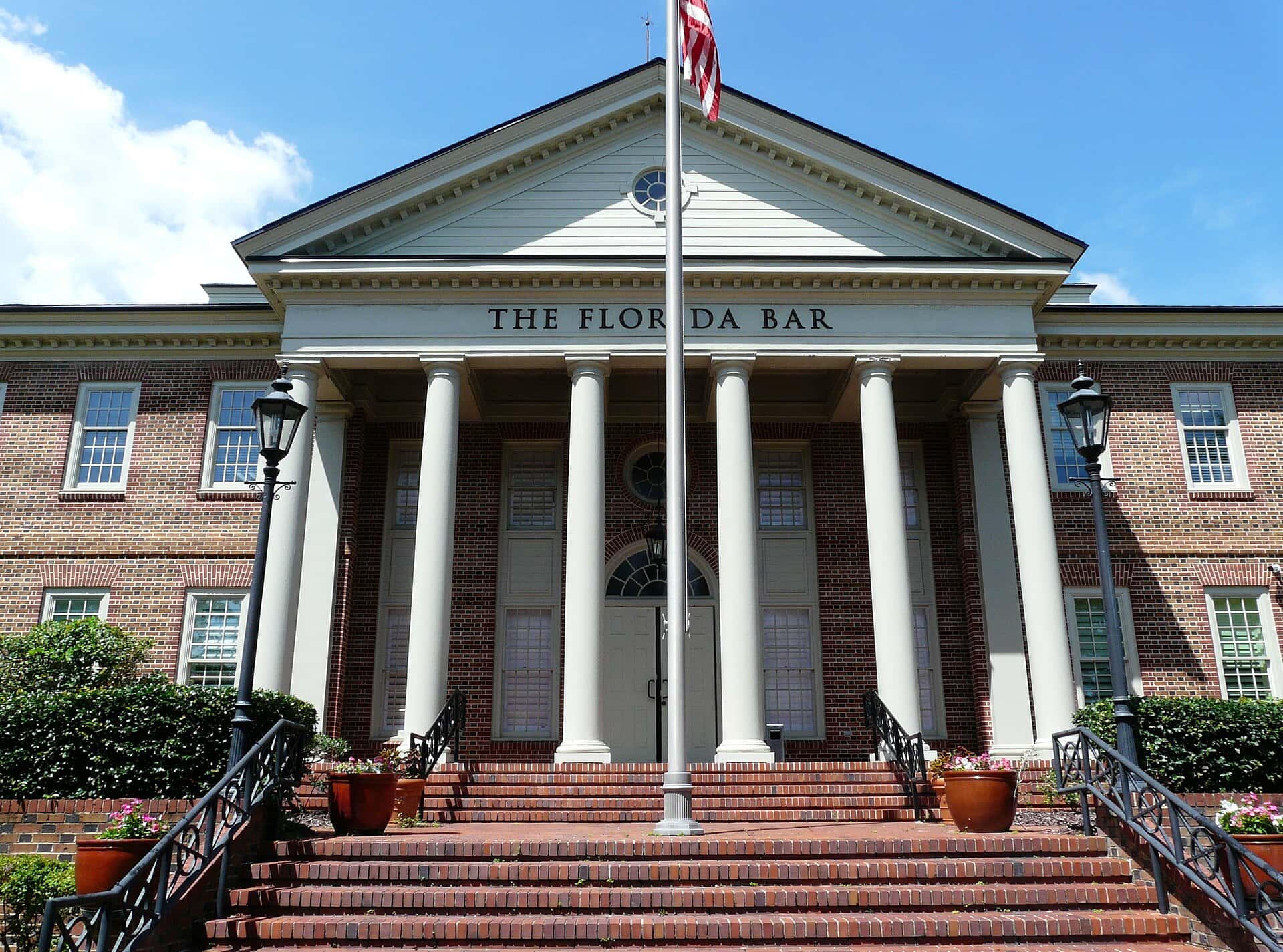
Florida can keep charging experienced lawyers from other states up to $3,000 to apply to The Florida Bar, more than three times the lowest fee paid by new law graduates. A federal appeals court ruled Friday that the fee schedule does not discriminate against out-of-state attorneys in violation of the U.S. Constitution.
A three-judge panel of the 11th U.S. Circuit Court of Appeals in Atlanta upheld the dismissal of a lawsuit that two veteran attorneys filed against the Florida Board of Bar Examiners in 2021. The lawyers, one licensed in New Jersey and one in Michigan, argued that Florida's "experienced-applicant rule" was effectively a toll on lawyers trying to move their practices into the state, in violation of the dormant Commerce Clause.
The ruling affects a steady stream of lawyers relocating to Florida. Over 15 years, the board received more than 7,600 applications from lawyers already licensed elsewhere. More than half listed out-of-state mailing addresses, and the court noted the number of out-of-state applicants has risen in recent years.
How Florida's bar fees work
Everyone seeking admission to The Florida Bar pays a fee to the Board of Bar Examiners, an agency of the Florida Supreme Court. Under the court's bar admission rules, applicants who have not been admitted to any bar for more than 12 months pay $700 to $1,000. The amount depends on how soon after starting law school they register.
"Experienced applicants," defined as those admitted to another bar for more than 12 months, pay $1,600 to $3,000. The fee rises with the number of years they have been licensed. The Florida Supreme Court sets every fee by order.
Steven Hernandez has been a member of the New Jersey bar since 2004. When he applied to Florida in 2020, he paid the maximum $3,000, then postponed sitting for the bar exam and sued. David Drwencke, admitted in Michigan since 2016, wanted to apply in 2021 but declined after learning his fee would be $2,000. He joined the suit instead. The case named the board and its executive director, Michele Gavagni.
What the court decided
Judge Robert Luck wrote the opinion for a panel that also included Judges Jill Pryor and Andrew Brasher. The court's ruling had two parts.
First, the court held that the Board of Bar Examiners cannot be sued at all because it is an arm of the State of Florida protected by the Eleventh Amendment. The opinion explained that the Florida Constitution gives the Florida Supreme Court exclusive authority over admitting lawyers, and the board exists only to carry out the court's rules. The Supreme Court appoints every board member, approves its budget, reviews its annual audit and must sign off on every fee. "At every constitutional and regulatory turn, the board answers to the state," Luck wrote.
Second, the court rejected the constitutional claim against Gavagni on the merits. The rule charges a higher fee to every applicant with more than a year of experience anywhere, including Floridians. The court said that means it does not single out out-of-state lawyers on its face.
"A Floridian barred for two years in Wyoming would pay the higher fee; a new applicant from Rhode Island wouldn't," the opinion said, repeating an example from the trial court. "Floridian or out-of-stater, every experienced applicant pays the higher fee."
The panel also rejected the lawyers' new argument on appeal that an out-of-state law license is an "article of commerce" being taxed when it crosses into Florida. A law license, the court wrote, "is never anything more than a state's authorization to enter that state's legal market," and an out-of-state license "doesn't allow a lawyer to compete in Florida, and vice versa."
The numbers behind the ruling
The lawyers also argued that, regardless of its wording, the rule hits out-of-state attorneys hardest in practice. The board's own data decided that question. According to the evidence summarized in the opinion:
- Since 2008, when the board began tracking mailing addresses, more than 7,600 experienced applicants have sought admission to The Florida Bar.
- About 55% of those experienced applicants had out-of-state addresses, meaning roughly 45% lived in Florida.
- About 87% of new, inexperienced applicants lived in Florida, and about 13% lived elsewhere.
The plaintiffs said that gap showed the rule "burdens more than four times as many non-Florida residents as it benefits." The court said that is simply an argument that the rule applies most often to out-of-state applicants, which the U.S. Supreme Court has held is not enough to show discrimination. Because Floridians and out-of-staters make up nearly equal shares of experienced applicants, the panel said the burden falls on both groups about equally.
Why the bar says experienced lawyers cost more
The board defended the rule as a way to pass investigation costs on to the applicants who generate them. For lawyers already licensed elsewhere, examiners must obtain and review applications filed in other jurisdictions and investigate any discrepancies, which can require investigative hearings. They also must check prior bar discipline and grievances, malpractice claims and court sanctions.
Hernandez and Drwencke said that explanation was a pretext. The fee brings in far more than the investigations cost, they argued, and the board uses the surplus to discount fees for law students and new lawyers, most of whom are Floridians. The panel disagreed. It said the discount goes to every new applicant regardless of residence, and that experienced applicants pay the fee in order to enter Florida's legal market, not to be kept out of it.
The court also noted that a lawyer licensed elsewhere does not need to pay Florida anything to keep practicing another state's law from Florida. It cited a 2021 Florida Supreme Court advisory opinion allowing out-of-state attorneys to work remotely from Florida homes as long as they do not practice Florida law.
A long road through Tallahassee
The case was filed in 2021 in the U.S. District Court for the Northern District of Florida in Tallahassee and went through several rounds of rulings there. The district court first dismissed most claims, finding that Hernandez lacked standing to seek an injunction because he had already paid and that both defendants were protected from damages by sovereign or qualified immunity. After allowing a third amended complaint that, in the panel's words, pleaded "just barely" enough to proceed, the district court granted summary judgment to Gavagni in 2024. The lawyers then gave up their remaining claims so they could appeal.
The 11th Circuit pointed to rulings from other courts that reached the same result. The 3rd Circuit upheld Pennsylvania's rule limiting admission without examination to lawyers from reciprocal states, and the 9th Circuit upheld a nearly identical Arizona rule. Both courts found that rules based on where a lawyer is licensed, not where the lawyer lives, do not discriminate against out-of-state residents.
What's next
The decision leaves Florida's fee schedule in place for the thousands of lawyers who apply from other states. Hernandez and Drwencke could ask the full 11th Circuit to rehear the case or petition the U.S. Supreme Court. Any change to the fees themselves would have to come from the Florida Supreme Court, which sets bar admission charges by published order.
Spotted an issue with this article?
Have something to say about this story?
Write us a letterComments
No comments yet. Be the first to weigh in.
Related Coverage

ATF Ends Registration for Suppressors and Short-Barreled Rifles, Leaving Florida's Federal-Linked Gun Law in Limbo
1h ago

Appeals Court Lowers the Bar for Proving U.S. Jurisdiction in High-Seas Cocaine Cases Prosecuted in Florida
1h ago

Trump's Russian Diesel Deal Unlikely to Ease Florida's Near-$6 Fuel Bills, Experts Say
19h ago
Trump Approves Federal Emergency Declaration for 27 Florida Counties Hit by Isaias. Here's What It Covers and What It Doesn't
19h ago