Florida Homebuyers Brace as Warsh-Led Fed Holds Rates and Signals Hikes
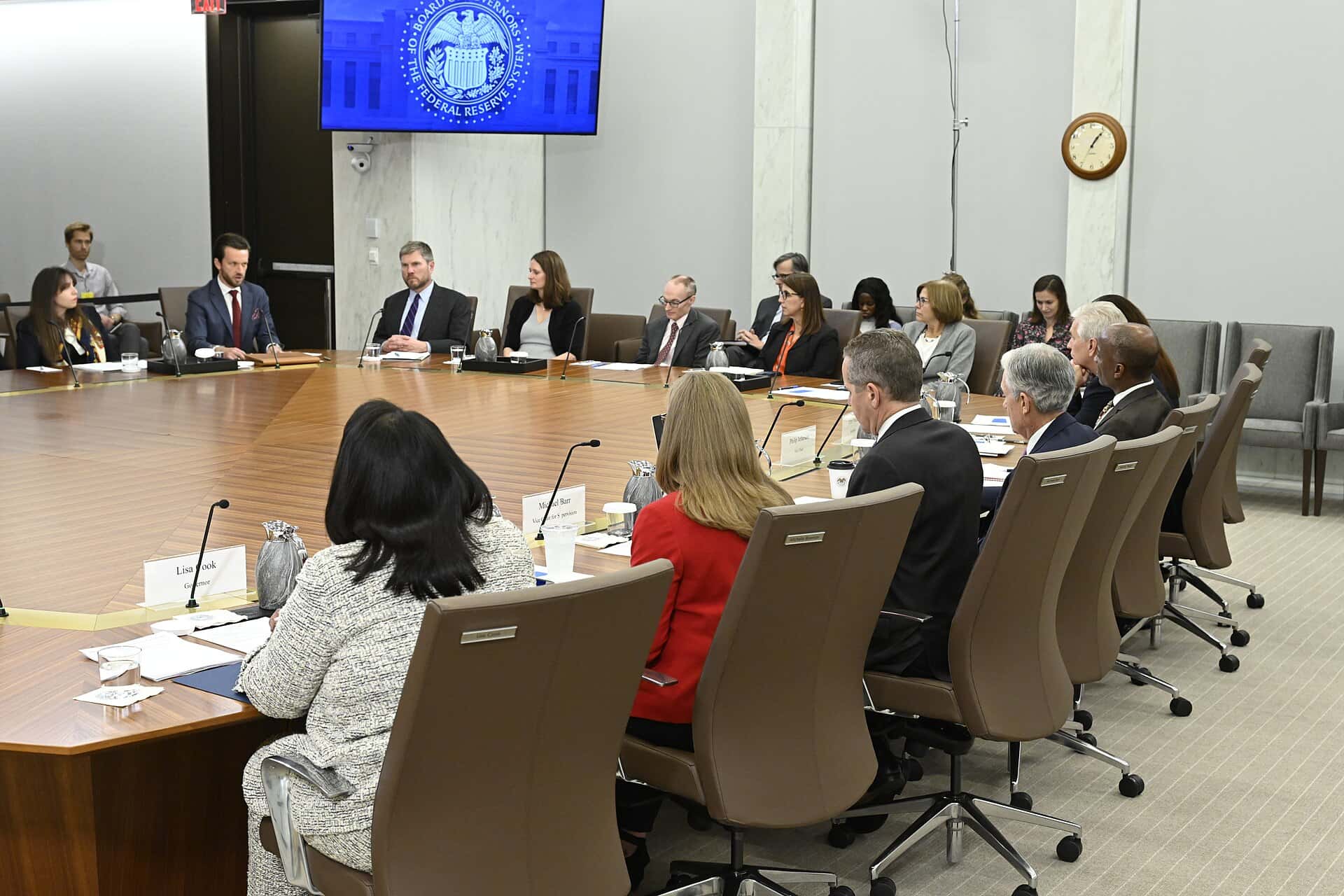
The Federal Reserve voted unanimously on June 17, 2026 to hold its benchmark overnight interest rate in a range of 3.5 to 3.75 percent and signaled that further increases could lie ahead, a decision that lands hard on Florida's strained housing market. The meeting was the first led by Kevin Warsh as Fed chair, and policymakers raised their median estimate for the federal funds rate at the end of 2026 to 3.8 percent, up from 3.4 percent in March. That shift implies at least one rate hike this year, with some traders watching for a possible move as soon as October. For Florida, where the median single-family home price sits near $420,000 and home insurance costs rank among the highest in the nation, the Fed's posture means mortgage rates are unlikely to retreat much soon, keeping affordability under pressure and leaving many would-be buyers on the sidelines. What comes next depends on whether inflation data give the central bank reason to pull the trigger on a hike or hold its ground through the rest of the year.
A New Chair, a Familiar Squeeze
The June meeting carried added weight because it was the first presided over by Warsh as Fed chair. A unanimous vote to hold the benchmark rate steady suggested a unified committee, but the accompanying projections told a more pointed story. Rather than charting a path toward lower rates, policymakers nudged their year-end estimate higher, signaling that the next move is more likely to be up than down.
The Fed does not set mortgage rates directly. Those rates respond to a broader set of forces, including the bond market, inflation expectations, and the overall economic outlook. But the central bank's stance shapes the environment in which mortgage rates are set, and a Fed that is leaning toward hikes rather than cuts removes much of the hope that borrowing costs will ease in the near term.
For Florida, that distinction matters less than the bottom line. Whether the Fed acts directly or indirectly, the message to homebuyers is the same: do not expect meaningful relief on financing costs in the months ahead. The era of waiting for rates to fall before buying has stretched on longer than many anticipated, and the June projections pushed any expected turn further into the distance.
Why $420,000 Hurts More Now
Florida's median single-family home price near $420,000 would be a stretch for many households in any environment. With mortgage rates holding at elevated levels, the monthly cost of financing that price climbs well beyond what the same home would have cost to carry in a lower-rate era. The result is a payment that strains budgets and pushes some buyers toward smaller homes or out of the market entirely.
The math compounds when prices and rates both stay high. Even modest year-over-year price gains add to the total a buyer must finance, and each fraction of a percentage point on the mortgage rate translates into hundreds of dollars more per year over the life of a loan. For first-time buyers without equity from a previous sale, the combination can be decisive.
That dynamic helps explain why demand has cooled across much of the state even as prices hold firm. Buyers are not absent because they no longer want homes; many are priced out by the cost of borrowing. The Fed's signal that rates could rise rather than fall offers them little reason to expect the calculation to improve soon.
The shift in the central bank's year-end estimate from 3.4 percent in March to 3.8 percent in June underscored how quickly the outlook hardened. In a matter of months, policymakers moved from a stance that left room for easing to one that pointed toward tightening. For Florida buyers already stretched by a $420,000 median price, that revision replaced any hope of cheaper financing with the expectation of borrowing costs that hold steady or climb through the rest of the year.
The Insurance Burden Adds Up
Mortgage rates are only one piece of Florida's affordability puzzle. The state's homeowners also shoulder some of the highest property-insurance costs in the country, an expense that adds hundreds or thousands of dollars to the annual cost of owning a home. Unlike a home's listing price, those premiums do not appear on a sale sign, but they weigh heavily on what a household can actually afford.
Stacked together, a high purchase price, an elevated mortgage rate, and steep insurance bills create a three-way squeeze. Each factor on its own would test a household budget. Combined, they push the true cost of owning a Florida home well above what the sticker price alone suggests, narrowing the pool of buyers who can clear all three hurdles.
The insurance burden also feeds back into the broader market. High premiums can deter buyers and lengthen the time a home sits unsold, contributing to a slow build in available inventory. That makes the Fed's rate posture one part of a larger affordability story, but a part with outsized influence over the monthly cost of buying.
For many Florida households, the insurance line item has grown into one of the most unpredictable costs of ownership. Premiums that rise sharply can upend a budget built around a particular monthly payment, and the prospect of future increases adds a layer of uncertainty to the decision to buy. Combined with elevated mortgage rates, that uncertainty reinforces the caution that has settled over the market, giving buyers another reason to hesitate.
Builders Caught in the Middle
Florida's homebuilders feel the pressure from both ends. Elevated mortgage rates dampen demand from buyers, while the cost of financing construction itself remains high in a higher-rate environment. When buyers hesitate, builders face the prospect of completed homes sitting unsold or projects that pencil out less favorably than they did when rates were lower.
That tension can slow the pace of new construction, a consequential outcome in a state that has long relied on building to keep up with population growth. A pullback in construction tightens future supply even as current inventory builds, setting up a market that could swing again once conditions shift. For now, the higher-for-longer rate outlook gives builders reason for caution.
Some builders have responded to softer demand by offering incentives, including help with financing costs, to keep sales moving. Those measures can ease the burden on individual buyers but cannot offset the broader weight of a Fed that is signaling hikes rather than cuts. The construction sector, a major source of Florida jobs, watches the central bank's next moves closely.
Inventory Builds as Buyers Wait
One visible effect of the affordability squeeze is rising inventory in several Florida metros. As buyers hesitate and homes take longer to sell, the supply of available listings has grown. More homes on the market for longer gives buyers who can still afford to purchase more room to negotiate, more time to decide, and in some areas the leverage to push back on price.
This building inventory marks a shift from the frenzied years when supply was measured in weeks and bidding wars were routine. The slower pace reflects a market recalibrating to the reality of high borrowing costs. It does not necessarily mean prices are falling, but it does mean the balance of power is edging, unevenly, toward buyers in parts of the state.
The Fed's June stance reinforces that trend. With little prospect of near-term rate relief, the buyers who have been waiting for cheaper financing may keep waiting, leaving inventory to accumulate. Sellers, in turn, may need to adjust expectations to move homes in a market where patience has become the dominant trait.
What Florida Buyers Are Weighing
For Florida households considering a purchase, the Fed's decision sharpens an already difficult choice. Buying now means locking in a high mortgage rate and absorbing steep insurance costs, but it also means securing a home before prices potentially climb further. Waiting means hoping for rate relief that the central bank's own projections suggest may not arrive this year.
The calculus varies by metro and by household. In tighter markets, waiting risks losing out as inventory stays limited. In softer ones, building supply may reward patience with more negotiating room. The statewide picture, with prices holding near $420,000 and rates expected to stay elevated, describes a market defined by caution on all sides.
Financial advisers often counsel buyers to focus on what they can afford monthly rather than trying to time the rate cycle. With the Fed signaling that the next move could be a hike, that guidance carries particular weight in 2026. Buyers who stretch to the edge of affordability now would have little cushion if rates rise further.
What's Next
The path forward for Florida's housing market hinges on the Fed's next decisions and the inflation data that will guide them. Policymakers' raised year-end estimate of 3.8 percent points toward at least one hike, with markets eyeing October as a possible window. Should inflation prove stubborn, the central bank could act, pushing borrowing costs even higher and tightening the squeeze on buyers and builders alike.
If, instead, inflation eases, the Fed could hold steady through the rest of the year, keeping rates at current levels rather than cutting. Either outcome leaves Florida's housing market without the near-term relief many buyers had hoped for, sustaining the conditions of high prices, high rates, and high insurance costs that define the 2026 market.
For now, Floridians weighing a home purchase face a market that rewards patience and careful budgeting over speed. With inventory building in several metros and the Fed leaning toward hikes, the summer of 2026 looks set to remain a season of negotiation and caution, shaped above all by a central bank that has signaled it is in no hurry to ease the cost of borrowing.
Spotted an issue with this article?
Have something to say about this story?
Write us a letterComments
No comments yet. Be the first to weigh in.
Related Coverage

Blue Origin Seeks FAA Approval for Up to 50 New Glenn Launches a Year From Cape Canaveral
1h ago
Second Kennedy Space Center Contractor Plans Layoffs as NASA Brings Work In-House
19h ago

RFK Jr. Brings Medical School Nutrition Push to Orange Park as UF, LMU and Jacksonville Programs Sign On
20h ago

Nine Florida HIV Prevention Groups Lose Direct CDC Grants as Federal Money Shifts to State Health Department
21h ago