Federal Reserve Holds Interest Rates Steady, Keeping Pressure on Florida's Housing Market
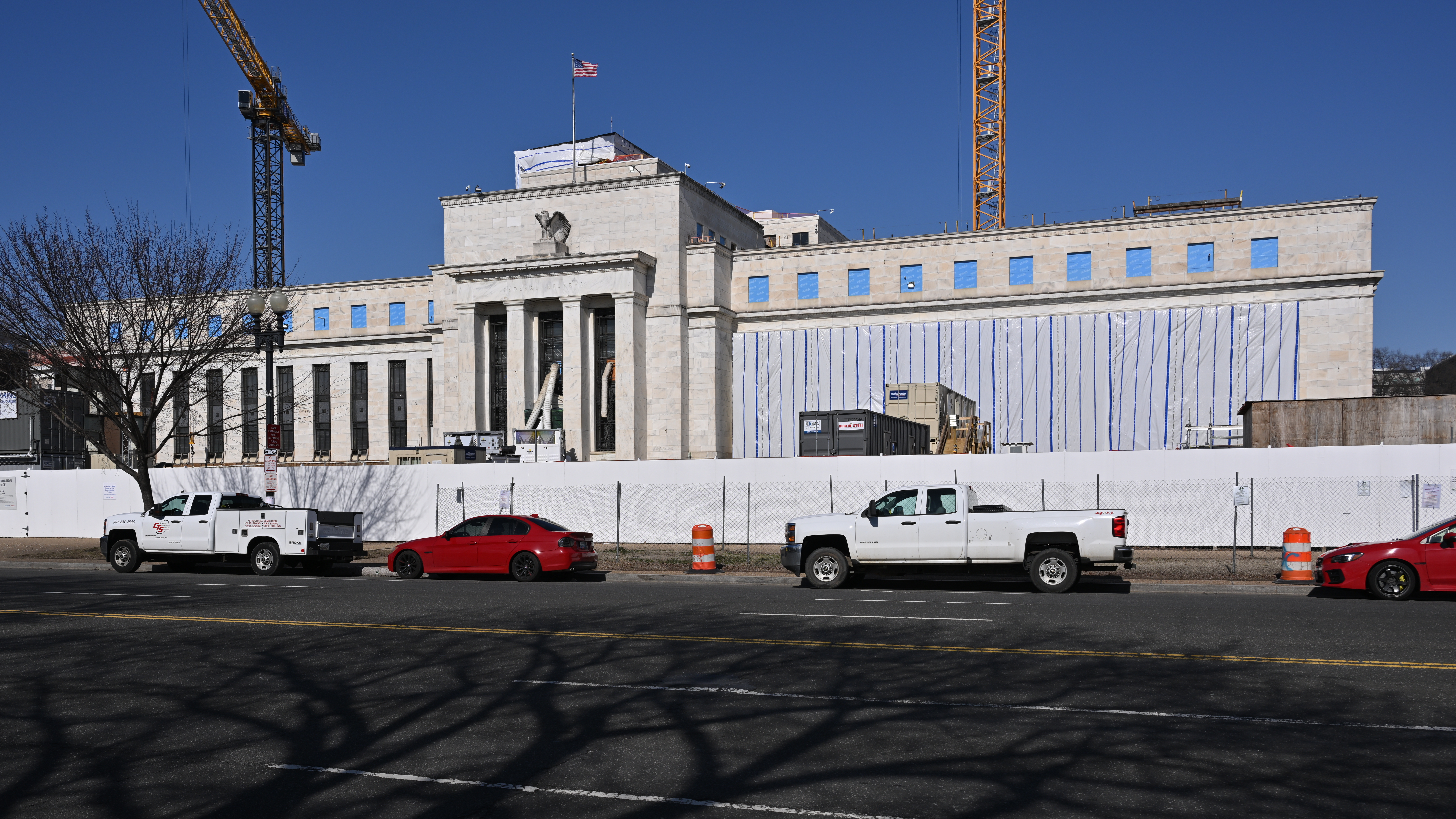
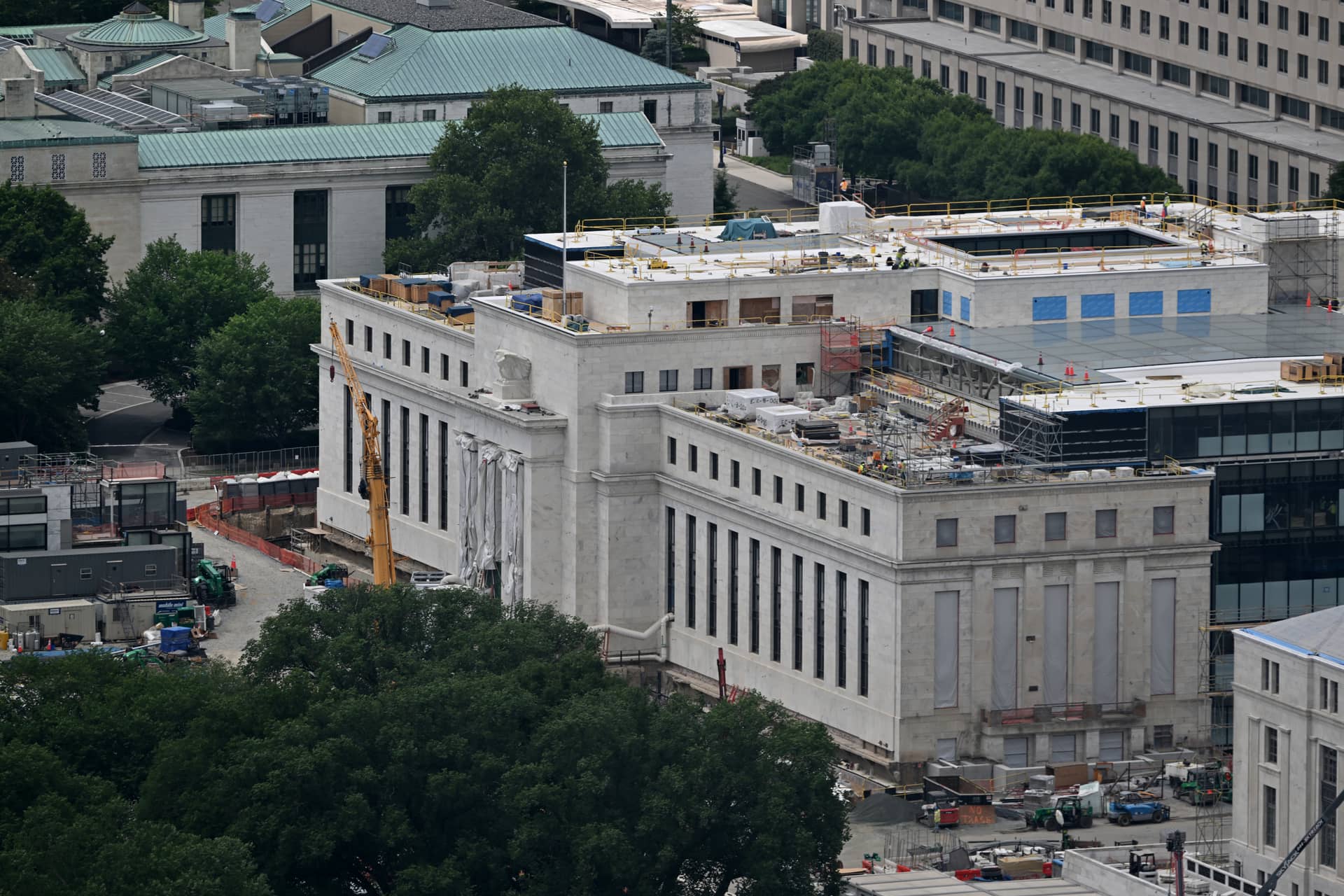
The Federal Reserve held its benchmark interest rate steady at the conclusion of its June policy meeting, a decision that keeps borrowing costs elevated and maintains pressure on Florida's housing market. The meeting marked the first rate decision delivered under new Federal Reserve chair Kevin Warsh, whose initial comments at the helm of the central bank drew close attention from markets and economists alike.
For Floridians, the most immediate consequence of the Fed's posture is felt in mortgage rates, which remain near the higher levels that have constrained homebuying across the state. The decision to hold steady, widely anticipated heading into the meeting, signals that relief for borrowers is not imminent, with implications that ripple through Florida's real estate market, its homebuilders, and the broader cost of living.
What the Fed decided
The central bank kept its federal funds rate target unchanged, continuing the cautious stance it adopted to balance the competing risks of inflation and economic slowdown. The hold followed a similar decision at the Fed's prior meeting, reinforcing market expectations that the central bank would not move at this gathering. The federal funds rate, the Fed's primary tool, influences borrowing costs throughout the economy, from mortgages and auto loans to credit cards and business financing.
The meeting carried added significance as the first under Warsh's leadership. A new chair's early signals about the direction of policy can move markets and shape expectations for future decisions, and observers parsed his comments for clues about how he views the path ahead. The decision to hold offered continuity, but the commentary surrounding it set the tone for how the central bank may approach the balance of the year.
Why it matters for Florida housing
The Fed does not set mortgage rates directly, but its policy heavily influences them. When the central bank keeps its benchmark rate elevated, mortgage rates tend to remain high as well, raising the monthly cost of financing a home purchase. For Florida, a state that has experienced rapid population growth and sharp increases in home prices, the affordability squeeze created by elevated mortgage rates is acute.
Higher financing costs reduce what buyers can afford, cool demand, and can slow the pace of sales. In a market where prices climbed substantially during the boom years, the combination of high prices and high mortgage rates has pushed homeownership out of reach for many would-be buyers, particularly first-time purchasers and younger residents. The Fed's decision to hold keeps that dynamic in place, prolonging the affordability challenge that has defined the state's housing landscape.
The broader Florida cost squeeze
Mortgage rates are only one piece of the affordability puzzle in Florida. The state's homeowners also contend with elevated property insurance costs, rising property taxes tied to higher valuations, and the general increase in the cost of living that has accompanied the influx of new residents. The interplay of these pressures has made Florida housing markedly more expensive to enter and to maintain than it was a few years ago.
State leaders have moved to address some of these costs, including efforts to stabilize the property insurance market and a proposed constitutional amendment to expand the homestead exemption and ease property taxes. But the cost of financing a home is governed by national monetary policy, beyond the reach of state lawmakers, which makes the Fed's decisions a critical and uncontrollable variable in the affordability equation for Florida families.
Impact on buyers, sellers, and builders
For prospective buyers, the continued hold means no near-term relief on mortgage costs, leaving many to weigh whether to purchase at current rates or to wait in hopes of future cuts. Some buyers have adjusted by seeking smaller homes, different locations, or alternative financing arrangements, while others have stayed on the sidelines. The persistence of high rates shapes those decisions across the state's diverse markets, from South Florida's coastal cities to the growing metros of Central Florida and the Gulf coast.
Sellers face a market in which elevated rates have tempered demand, potentially lengthening the time homes spend on the market and moderating price growth. Homebuilders, a significant force in fast-growing Florida, must navigate the same demand constraints, calibrating construction to a market where financing costs limit how much buyers can pay. The ripple effects extend to the many industries tied to real estate, from construction trades to lending and home services.
What it means for Floridians
The Fed's decision reinforces a reality that Florida households have lived with for some time: the cost of borrowing remains high, and the dream of homeownership is harder to achieve than it was during the era of low rates. For renters hoping to buy, for families looking to upgrade, and for newcomers drawn to the state, the elevated rate environment is a defining constraint on their plans.
At the same time, the Fed's caution reflects its effort to keep inflation in check, a goal that also matters to Floridians grappling with the rising cost of everyday goods and services. The central bank's balancing act, weighing the need to contain inflation against the desire to support growth and ease borrowing costs, has direct consequences for a state where affordability has become a central economic concern.
What's next
Attention now turns to the Fed's future meetings and to whether the central bank will move toward cutting rates later in the year. Warsh's commentary and the economic data on inflation, employment, and growth will shape those decisions, and markets will continue to scrutinize every signal for indications of the path ahead. For Florida's housing market, the timing of any eventual rate cuts could prove pivotal in determining when affordability begins to improve.
Until then, Floridians navigating the housing market will continue to do so under the weight of elevated borrowing costs. The Fed's June hold keeps the status quo in place, and the interplay between national monetary policy and Florida's high-cost housing environment will remain a central feature of the state's economic story in the months to come.
Spotted an issue with this article?
Have something to say about this story?
Write a letter to the editor