Federal Reserve Holds Rates Steady as Florida Homebuyers Face Mortgage Rates Near 6.5%
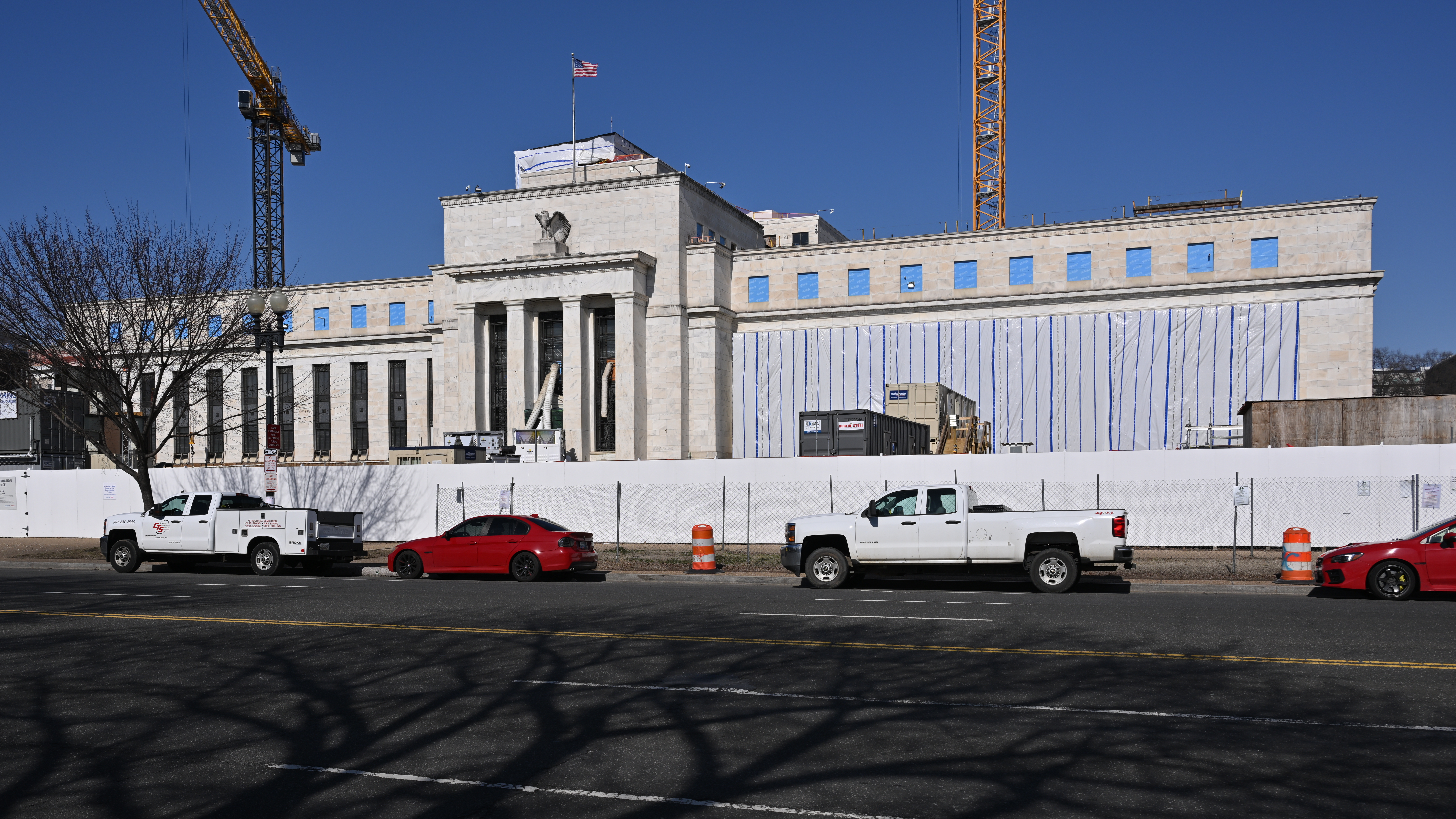
The Federal Reserve held its benchmark interest rate steady at its June meeting, a decision that leaves 30-year mortgage rates hovering near 6.5 percent and keeps the pressure on Florida homebuyers already grappling with elevated costs. For a state where housing affordability has become a defining concern, the Fed's hold, paired with hawkish signals about the path ahead, carries direct consequences for buyers, sellers, and the broader market.
The central bank's caution reflects an economy still navigating inflation pressures, and its messaging suggested that relief in the form of rate cuts may not arrive soon. For Floridians watching mortgage rates with hopes of improved affordability, the decision was a reminder that the era of cheap borrowing remains firmly in the past.
What the Fed decided
The Federal Open Market Committee voted to maintain the federal funds rate in a range of 3.5 to 3.75 percent, where it has held throughout the year. The decision came under the leadership of Fed Chair Kevin Warsh, marking continuity in the central bank's cautious posture toward inflation and monetary policy.
Notably, the decision carried a hawkish tone. The committee's projections suggested that some officials now see the possibility of a rate increase later in the year, a shift from earlier expectations of steady policy. That signal dampened hopes among borrowers that the Fed might pivot toward cutting rates, which would ease borrowing costs across the economy.
The Fed's posture reflects its ongoing effort to bring inflation to its target while avoiding actions that could destabilize the economy. The central bank has emphasized a data-driven approach, leaving its options open as it weighs incoming economic indicators against the risk of reigniting price pressures.
The mortgage rate picture
For homebuyers, the most relevant effect of the Fed's stance flows through mortgage rates. The 30-year fixed-rate mortgage dipped to around 6.48 percent in early June and edged slightly lower to about 6.47 percent by mid-month, according to Freddie Mac data, providing a modest reprieve but remaining well above the lows of the pandemic era.
While the Fed does not set mortgage rates directly, its policy decisions and signals influence the bond markets that drive them. The central bank's hawkish projections suggest that mortgage rates are likely to stay elevated, as persistent inflation concerns and the possibility of future rate hikes keep upward pressure on borrowing costs.
For buyers who had hoped for a meaningful decline in rates to improve affordability, the outlook offers little encouragement in the near term. Rates near 6.5 percent translate into substantially higher monthly payments than buyers faced just a few years ago, a reality that continues to shape the housing market.
The Florida context
Few states feel the effects of mortgage rates as acutely as Florida, where housing affordability has emerged as a top concern. The state's home prices climbed sharply during the pandemic boom, and while they have since stabilized near record levels, the combination of high prices and elevated mortgage rates has strained the budgets of would-be buyers.
Florida's affordability challenge is compounded by costs unique to the state, including high property insurance premiums and rising property taxes. When elevated mortgage rates are added to those expenses, the total cost of owning a home in Florida becomes a significant barrier for many households, particularly first-time buyers.
The Fed's decision to hold rates, and its signal that cuts are not imminent, means those pressures are likely to persist. For a state that has drawn waves of new residents in search of opportunity and lifestyle, the affordability squeeze poses a challenge to the continued growth that has defined Florida in recent years.
Effects on buyers and sellers
For prospective buyers, the elevated rate environment means higher monthly payments and reduced purchasing power. A buyer can afford less home at 6.5 percent than at the rates that prevailed during the pandemic, forcing many to adjust their expectations, delay purchases, or stretch their budgets to make a deal work.
Sellers face their own version of the squeeze. Higher rates dampen demand and can lengthen the time homes spend on the market, while the so-called lock-in effect discourages existing homeowners with low-rate mortgages from selling and giving up their favorable financing. That dynamic has contributed to the inventory challenges the market has worked to overcome.
The result is a market that has cooled from its frenzied peak but remains expensive and difficult for many participants. Buyers and sellers alike must navigate an environment shaped by financing costs that show no immediate sign of easing, making careful planning and realistic expectations essential.
The inflation backdrop
The Federal Reserve's caution stems from its mandate to keep inflation in check while supporting a healthy economy. Persistent price pressures have kept the central bank wary of cutting rates prematurely, as easing too soon could risk reigniting the inflation that the Fed has worked to contain.
That dynamic explains the hawkish tone of the recent projections, which raised the possibility of a rate increase rather than the cuts many had anticipated. The central bank has emphasized its commitment to bringing inflation to its target, signaling that it will keep policy restrictive as long as necessary to achieve that goal.
For Floridians, the inflation backdrop matters because it shapes not only mortgage rates but the broader cost of living. Persistent inflation affects the prices of goods and services alongside borrowing costs, compounding the affordability pressures that households face. The Fed's effort to tame inflation, while aimed at long-term stability, means that relief in borrowing costs remains elusive in the near term.
What it means for Floridians
For Florida households, the Fed's decision reinforces a challenging reality for anyone hoping to buy a home. Elevated mortgage rates, layered atop high prices, insurance, and taxes, make affordability a central concern, and the central bank's signals suggest that the financing piece of that equation will not improve soon.
For current homeowners, the high-rate environment generally favors staying put, as the low rates many secured in prior years make selling and rebuying less attractive. That stability can preserve home equity but also contributes to the limited inventory that has frustrated buyers.
For the broader Florida economy, housing affordability shapes the state's ability to attract and retain residents and workers. As long as borrowing costs remain high, the affordability pressures that have built up in recent years are likely to continue influencing where and how Floridians choose to live.
How the Fed influences mortgage rates
The relationship between the Federal Reserve and mortgage rates is often misunderstood. The Fed does not set mortgage rates directly; instead, it sets the federal funds rate, the interest rate banks charge one another for overnight lending. That rate influences borrowing costs throughout the economy, but mortgage rates are most closely tied to the yields on longer-term bonds.
Thirty-year mortgage rates tend to track the yield on the 10-year Treasury note, which reflects investors' expectations about inflation and economic conditions over time. When the Fed signals its intentions and shapes those expectations, bond yields respond, and mortgage rates follow. This indirect channel is why Fed decisions and messaging matter so much to homebuyers.
The hawkish tone of the Fed's recent projections, hinting at the possibility of a rate increase later in the year, tends to push bond yields and mortgage rates higher or keeps them elevated. Markets price in expectations of future policy, so the central bank's signals about the path ahead can move mortgage rates even without an immediate change to the federal funds rate.
For borrowers, this means that the outlook for mortgage rates depends not just on what the Fed does at any given meeting but on what it signals about the future. The current environment, with the Fed holding steady but flagging the possibility of hikes, points toward continued elevated rates rather than the relief many buyers seek.
Strategies for buyers in a high-rate market
Facing elevated mortgage rates, prospective buyers have adapted in various ways. Some have adjusted their expectations, looking at less expensive homes or different areas to keep monthly payments manageable. Others have explored different loan products or larger down payments to reduce the amount they need to finance.
The math of higher rates is unforgiving, as each increase in the rate raises the monthly payment for a given loan amount, reducing how much home a buyer can afford. This reality has pushed some would-be buyers to the sidelines while prompting others to compromise on size, location, or features to make a purchase work within their budget.
In Florida, the calculation is further complicated by insurance and property tax costs, which must be factored into the total monthly expense of owning a home. Buyers in the state need to account for these costs alongside the mortgage payment, a comprehensive view that can significantly affect what is truly affordable.
Financial advisers often counsel patience and careful planning in such an environment, encouraging buyers to assess their full financial picture before committing. For those determined to buy, understanding the interplay of rates, prices, and the costs unique to Florida is essential to making a sound decision in a market shaped by elevated borrowing costs.
What's next
Attention now turns to upcoming economic data and the Fed's future meetings, where officials will weigh inflation trends and economic conditions in deciding whether to hold, cut, or, as some projections hint, raise rates. Those decisions will continue to ripple through mortgage rates and the housing market.
For Florida buyers and sellers, the path forward depends heavily on how the inflation picture evolves and how the central bank responds. Until the Fed signals a clearer path toward lower rates, the affordability challenges shaping the state's housing market are likely to remain a persistent feature of life in the Sunshine State.
Spotted an issue with this article?
Have something to say about this story?
Write a letter to the editor