FEMA Approves $97 Million in Federal Funds to Advance Florida's Ongoing Disaster Recovery
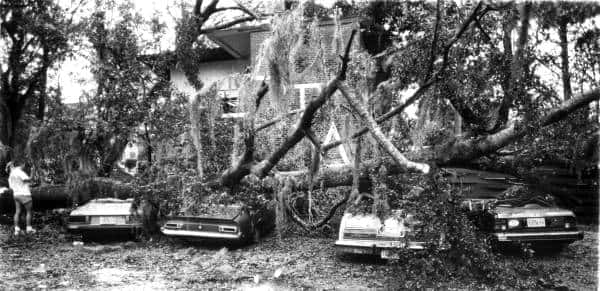
The Federal Emergency Management Agency announced in late April 2026 the approval of nearly $97 million in Public Assistance funding to support ongoing disaster recovery projects across Florida, adding to the more than $2 billion in federal recovery support the state has received since January 2025. The funding covers a range of infrastructure repair, emergency response cost reimbursements, and critical facility restoration projects tied to disaster declarations that have been active across the state in the aftermath of multiple significant storm events. The approval came as Florida communities in Lee, Charlotte, Sarasota, and other counties continue working through multi-year recovery processes from Hurricane Ian's catastrophic 2022 landfall.
What the $97 Million Covers
FEMA's Public Assistance program provides federal reimbursement to state agencies, local governments, tribal governments, and certain private nonprofit organizations for costs incurred in responding to and recovering from declared disasters. The program covers both emergency protective measures, the immediate actions taken to protect life and property during and immediately after a disaster, and permanent work to restore damaged public infrastructure to its pre-disaster condition or, in some cases, to a more resilient post-disaster standard.
The nearly $97 million in approved projects encompasses a combination of permanent work projects including repairs to roads, bridges, utilities, public buildings, and other community infrastructure, as well as emergency work reimbursements for debris removal operations and emergency response activities. The specific projects approved in this tranche were drawn from multiple active Florida disaster declarations, reflecting the fact that the state has been managing recovery from more than one significant disaster event simultaneously.
Florida's active disaster declarations include those tied to Hurricane Helene in 2024, which caused significant damage to parts of the state's Gulf Coast and interior regions, as well as older active declarations from Hurricane Ian in 2022, which remains one of the most expensive hurricane disasters in recorded history based on total insured and uninsured loss estimates. The scale of Ian's damage means that recovery work in Lee County, Charlotte County, and neighboring areas will continue for years beyond the storm's landfall date.
Florida's Total FEMA Receipts Since January 2025
The April 2026 announcement comes against the backdrop of a significant federal financial commitment to Florida's disaster recovery. FEMA has approved more than $2 billion in Public Assistance and related funding to Florida since January 2025, encompassing multiple disaster declarations and covering a wide range of infrastructure recovery and emergency response reimbursement projects across the state.
An earlier tranche of $480 million in FEMA funding announced in January 2026 was one of the largest single Public Assistance approvals in Florida's history, covering more than 500 disaster recovery projects including substantial commitments for critical infrastructure rebuilding and emergency protective measures. That announcement was made jointly by FEMA and the Department of Homeland Security under Secretary Kristi Noem, reflecting the administration's emphasis on the scale of its commitment to Florida's ongoing recovery.
The cumulative $2 billion-plus in federal funding represents a meaningful input to Florida communities still rebuilding, though it does not come close to covering the total economic losses from the multiple disaster events affecting the state. The gap between FEMA public assistance approvals and total disaster-related economic loss is always significant, as the Public Assistance program addresses government and nonprofit infrastructure costs rather than the private-sector losses, homeowner damages, and business interruptions that constitute the majority of economic losses in major disasters.
The Ongoing Recovery in Southwest Florida
The communities most significantly affected by Hurricane Ian, which made landfall in September 2022 as a Category 4 storm near Fort Myers with maximum sustained winds of 150 miles per hour and a catastrophic storm surge, continue to be the focus of intensive recovery activity. Lee County, which absorbed the brunt of Ian's impact, has seen billions of dollars in insurance claims, FEMA assistance, and private investment in reconstruction over the past three-plus years.
Some areas of Lee County, particularly Cape Coral, Fort Myers Beach, Pine Island, and Sanibel Island, have made visible progress in rebuilding damaged residential and commercial structures, though the recovery has been uneven, with some lower-income communities and residents who lacked adequate insurance coverage still waiting for meaningful assistance. Fort Myers Beach, which suffered among the most comprehensive destruction of any single community in Ian's path, continues to work through complex decisions about what to rebuild, how to rebuild more resiliently, and how to address the future flood risk that made Ian's surge so catastrophic.
The FEMA Public Assistance funding stream provides government entities and nonprofits with the resources to rebuild public infrastructure, but it does not directly address the challenges facing individual homeowners who do not have flood insurance, who are underinsured, or who are navigating the complex and sometimes frustrating process of obtaining individual assistance payments from FEMA's separate Individual Assistance program.
Wildfires Add New Recovery Demands
In addition to hurricane-related disaster recovery, Florida has also been dealing with wildfire events that have generated additional federal disaster declarations in 2026. FEMA declared major disasters in connection with the Cow Creek Fire, which received a major disaster declaration on April 23, 2026, and the Railroad Complex Fire, which received a Fire Management Assistance Declaration on April 22, 2026.
The wildfire declarations add a new category of disaster recovery demands to the state's already complex multi-event recovery management challenge. Wildfires in Florida, while less common than hurricanes as a driver of large-scale disaster declarations, can cause significant damage to forested areas, rural communities, and agricultural operations, and the recovery needs can be substantial even when the direct infrastructure damage is more limited than in a hurricane event.
Florida's Division of Emergency Management coordinates with FEMA on all active disaster declarations, managing the flow of federal assistance to local governments and ensuring that recovery projects meet the program requirements necessary for federal reimbursement. The complexity of managing multiple simultaneous active disaster declarations places significant demands on the division's staffing, systems, and intergovernmental coordination capabilities.
The Federal-State Partnership
The consistent flow of FEMA Public Assistance funding to Florida reflects the federal-state disaster recovery partnership that has been central to Florida's response to major natural disasters for decades. Under the Stafford Act framework, the federal government provides a substantial share, typically 75 percent or more, of the cost of eligible disaster recovery projects, with the state and local governments responsible for the balance. That cost-share structure creates strong incentives for local governments and state agencies to pursue FEMA reimbursement for eligible projects and to maintain the administrative infrastructure necessary to document projects and submit them for federal review.
Florida's state government has invested significantly in its FEMA reimbursement capacity, with dedicated staff within the Division of Emergency Management focused on monitoring active disaster declarations, working with local governments on project development, and navigating the sometimes complex federal review process. The return on that investment has been the billions of dollars in federal assistance that Florida has been able to secure following major disaster events.
What is Next
The disaster recovery funding approved in April 2026 will flow to local governments and state agencies over the coming months as specific projects move through the FEMA reimbursement process. Communities receiving funding will continue their infrastructure restoration work, with many projects expected to extend well into 2027 given the scale and complexity of the remaining recovery activity. FEMA's Public Assistance portfolio in Florida will continue to evolve as new projects are submitted, reviewed, and approved, and the cumulative total of federal investment in Florida's disaster recovery will grow further as that process continues.
Spotted an issue with this article?
Have something to say about this story?
Write us a letterComments
No comments yet. Be the first to weigh in.
Related Coverage

Isaias Shuts Pensacola and Okaloosa Airports as Airlines Waive Fees and Tolls Lift on Panhandle Bridges
2h ago

Ex-CIA official pleads guilty in $194 million fraud, will forfeit $102 million in Palm Beach and Hobe Sound real estate
3h ago
11th Circuit voids septic permit ban in Indian River Lagoon manatee case after federal 'harm' rule rollback
3h ago

Trump ties disaster aid to midterm campaign as Hurricane Isaias nears Florida Panhandle
22h ago