Federal Flood Insurance Faces a September Deadline as Most Florida Homes Go Uncovered
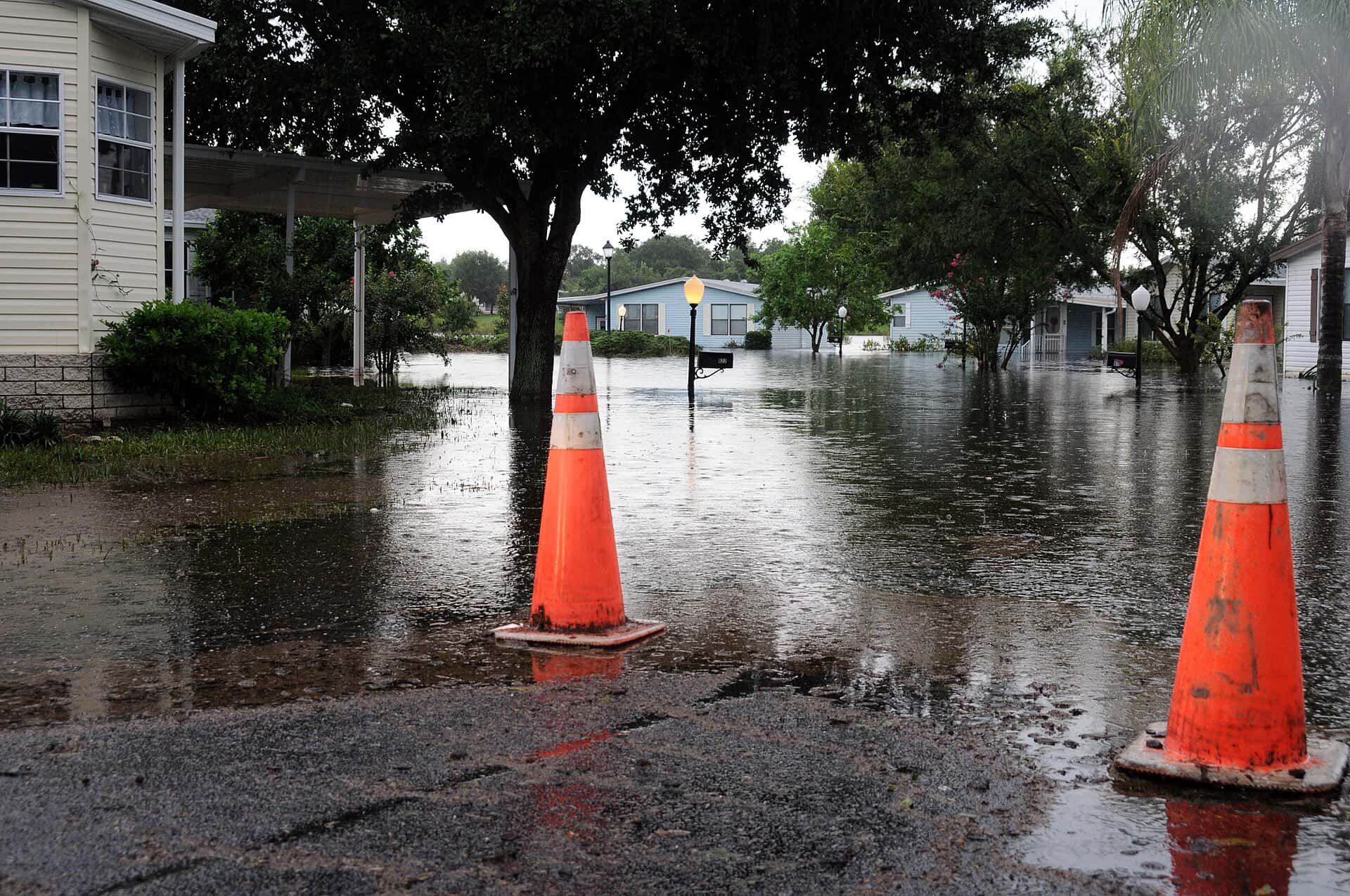
The federal program that provides most flood insurance in the United States is heading toward a reauthorization deadline in Congress at the end of September, a looming decision with enormous stakes for Florida, where flooding is a constant threat yet only a small fraction of homes carry flood coverage. The convergence of a policy deadline in Washington and the heart of hurricane season in Florida has put the National Flood Insurance Program back in the spotlight for millions of residents in the nation's most flood-prone state.
For homeowners across the state, the question is not an abstract one. Flooding is among the most common and most costly natural disasters, and in a place defined by its water, the risk is woven into daily life. The overlap of an uncertain federal timeline and the calendar's most dangerous stretch has renewed attention on a gap that has long worried emergency planners, lenders, and homeowners alike.
The program and the deadline
The National Flood Insurance Program, which underpins the vast majority of flood coverage nationwide, operates under authorization that must be periodically renewed by Congress. That authorization is set to expire at the end of September, and lawmakers are expected to weigh proposals affecting the program before the deadline. Lapses in authorization in the past have created uncertainty for homebuyers and policyholders, and the recurring cliff has become a familiar source of anxiety for those who depend on the program.
Because flood damage is generally not covered by standard homeowners insurance, the federal program fills a critical gap for property owners in flood-prone areas. Its future shapes the availability and cost of coverage for millions of households, making the reauthorization debate a matter of direct consequence for Florida residents living with the risk of storm surge, heavy rain, and rising waters.
Reauthorization debates typically touch on more than a simple extension. They can raise broader questions about how the program is funded, how it prices risk, and how it balances affordability against the long-term cost of covering repeated losses. For policyholders, the immediate concern tends to be more practical, centering on whether coverage will remain available and whether new policies can be written without interruption. When those questions linger without clear answers, the uncertainty alone can complicate home sales and refinancing that depend on proof of flood coverage.
A coverage gap in the most flood-prone state
Despite Florida's acute exposure to flooding, only a small share of homes in the state carry flood insurance. By some estimates, just over one in ten Florida homes has flood coverage, leaving a vast number of properties financially exposed to a hazard that standard homeowners policies do not address. Many homeowners mistakenly believe their regular insurance covers flooding, only to discover the gap after a disaster when a claim is denied.
The low coverage rate is especially concerning given that flooding can occur far beyond the high-risk zones where coverage is often required for mortgages. Heavy rain can inundate neighborhoods well away from the coast, and inland flooding from storms has repeatedly caught homeowners off guard. The gap between Florida's flood risk and the level of coverage among its residents represents a significant vulnerability heading into the most active months of hurricane season.
The financial consequences of that gap can be severe. Without flood insurance, homeowners who suffer damage often face the choice of paying for repairs out of pocket, taking on debt, or relying on limited disaster assistance that is generally designed to help people get by rather than to make them whole. Even a few inches of water can require the removal of flooring, drywall, and appliances, and the cost of restoring a home can climb quickly. For households already stretched thin, an uninsured flood can turn into a lasting financial setback.
Why so many go without coverage
Several factors contribute to the low uptake of flood insurance in Florida. Cost is a major barrier, as premiums can be substantial, particularly in high-risk areas, and many households already strained by the cost of homeowners insurance and other expenses forgo the additional coverage. Others simply underestimate their risk, especially if they live outside the mapped high-risk zones where coverage is mandatory for federally backed mortgages.
Awareness is another hurdle. The widespread misconception that homeowners insurance covers flooding leads many residents to skip separate flood policies, unaware of the exposure until it is too late. Compounding the problem, flood insurance policies generally carry a waiting period before coverage takes effect, meaning residents cannot wait until a storm is approaching to buy protection. Officials routinely urge homeowners to secure coverage well ahead of any threat.
There is also a psychological dimension to the decision. Flooding is an intermittent risk, and a home that has never taken on water can lull its owners into a sense of security that lasts until the one storm that changes everything. Because flood maps reflect general risk categories rather than guarantees, some residents interpret a lower-risk designation as an assurance that flooding will not happen to them. In practice, a large share of flood claims come from areas outside the highest-risk zones, a reminder that the absence of a mandate is not the same as the absence of risk.
The stakes for Florida
Florida bears a disproportionate share of the nation's flood risk, with its long coastline, low elevation, and exposure to hurricanes and heavy rainfall. The state accounts for a large portion of the flood insurance policies in force nationwide, and its residents have a deep stake in the program's stability and affordability. Changes to the program, whether in pricing, coverage, or availability, ripple through Florida's housing market and its residents' financial security.
The property insurance landscape in Florida is already under strain, and flood coverage adds another layer of complexity and cost for homeowners. As lawmakers debate the program's future, Florida's congressional delegation and state officials have a strong interest in ensuring that flood coverage remains available and affordable for the residents who need it most. The outcome of the reauthorization debate could affect how easily Floridians can protect their homes against one of the state's most persistent threats.
Beyond individual households, the availability of flood coverage has wider implications for the state's economy and its communities. Real estate transactions, property values, and the pace of recovery after a disaster can all hinge on whether homeowners are insured against flood damage. Neighborhoods where many properties lack coverage may struggle to rebuild after a major storm, and the burden of uninsured losses can weigh on local governments and taxpayers. In that sense, the reach of the flood insurance debate extends well past the policyholders directly involved.
Understanding flood risk beyond the maps
Flood risk in Florida is shaped by a combination of geography, weather, and development patterns that do not always align neatly with official maps. Low-lying terrain, a high water table, and proximity to the coast, rivers, canals, and lakes all influence how water behaves during a storm. Rapid growth and the paving over of natural drainage have added to the challenge in some areas, as rainfall that once soaked into the ground now has fewer places to go.
Storm surge, the wall of seawater pushed ashore by a hurricane, poses one of the gravest threats along the coast, but it is far from the only source of flooding. Slow-moving storms can dump prodigious amounts of rain over inland communities, overwhelming stormwater systems and turning streets and yards into standing water. Tropical systems that never make landfall as powerful hurricanes can still produce dangerous flooding, and even ordinary summer downpours can inundate vulnerable areas.
Because risk can vary block by block and can shift over time, experts generally encourage homeowners to think about flooding as a possibility almost anywhere in the state rather than a hazard confined to the coast. Consulting official flood maps, understanding a property's elevation, and paying attention to a home's history of water intrusion can help residents form a clearer picture of their exposure. That understanding is often the first step toward deciding whether to seek coverage.
Hurricane season adds urgency
The timing of the reauthorization deadline, falling during the heart of hurricane season, sharpens the stakes. Even in a season forecast to be quieter than average, a single storm can bring catastrophic flooding, and the peak months of the season stretch through the fall. The overlap between the policy deadline and the period of greatest risk underscores the importance of a stable and functioning flood insurance program for Florida families.
Emergency officials consistently emphasize that residents should not wait until a storm is bearing down to think about flood protection. With coverage taking time to become effective, the window to prepare is now, before any threat materializes. The reauthorization debate in Washington adds a layer of uncertainty to that preparation, making the program's fate a pressing concern for Florida homeowners.
Preparedness experts often remind residents that seasonal forecasts describe overall activity, not the fate of any one community. A relatively calm year can still deliver a devastating storm to a particular stretch of coast or an inland town, and a busy year can spare areas that brace for the worst. That uncertainty is precisely why officials advise treating every season as a serious one and putting protections in place early, while there is still time to act.
What comes next
Congress faces a decision before the end of September on whether and how to extend the flood insurance program, and the debate could involve proposals to reshape aspects of how it operates. For Florida residents, the practical takeaway is to understand their flood risk, recognize the gap in standard homeowners coverage, and consider securing flood protection ahead of any storm.
In the meantime, homeowners can take steps that do not depend on the outcome in Washington. Reviewing existing insurance policies to understand what is and is not covered, documenting belongings, keeping important papers in a safe place, and having a plan for evacuation and cleanup are all measures within reach. Those who are considering flood coverage may benefit from acting sooner rather than later, given the waiting period that typically applies before a new policy takes effect.
The broader question of the program's long-term structure and affordability will continue to play out in Washington, with Florida's interests squarely at the center given the state's outsized exposure. As the deadline approaches and hurricane season continues, the intersection of federal policy and local risk keeps flood insurance a critical issue for the millions of Floridians who live with the threat of rising water.
Spotted an issue with this article?
Have something to say about this story?
Write us a letterComments
No comments yet. Be the first to weigh in.
Related Coverage

Isaias Shuts Pensacola and Okaloosa Airports as Airlines Waive Fees and Tolls Lift on Panhandle Bridges
3h ago

Ex-CIA official pleads guilty in $194 million fraud, will forfeit $102 million in Palm Beach and Hobe Sound real estate
4h ago

11th Circuit voids septic permit ban in Indian River Lagoon manatee case after federal 'harm' rule rollback
4h ago

Trump ties disaster aid to midterm campaign as Hurricane Isaias nears Florida Panhandle
23h ago