FEMA Approves Another $89 Million for Florida Hurricane Recovery and Mitigation
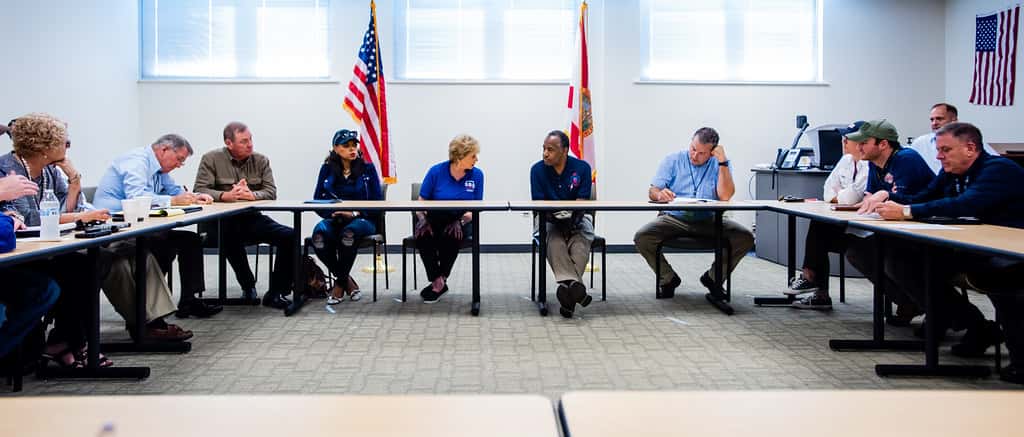
The Federal Emergency Management Agency announced the approval of more than $89 million to support recovery and hazard mitigation projects across Florida communities still rebuilding from a series of damaging hurricanes. The funding covers more than 70 projects tied to Hurricanes Debby, Helene, Milton, and other past disasters, channeling federal dollars into the long and costly work of repairing and strengthening Florida's storm-battered communities.
The announcement arrives as Florida enters another hurricane season, a timing that underscores both the persistence of recovery from prior storms and the urgency of preparing for future ones. For communities that absorbed the blows of recent hurricanes, the federal money represents a critical infusion to fund repairs, rebuild infrastructure, and reduce vulnerability to the next storm.
What the funding covers
The more than $89 million is directed at over 70 recovery and hazard mitigation projects, spanning the kinds of work that follow major storms: repairing public infrastructure, restoring facilities, and undertaking projects designed to make communities more resilient against future disasters. The funding is tied to the cleanup and rebuilding from Hurricanes Debby, Helene, and Milton, among other past events, storms that left lasting damage across multiple regions of the state.
Within the package, FEMA highlighted more than $14 million in Hazard Mitigation Grant Program funds directed to the state for initiatives including a program focused on elevating and hardening Florida homes against flooding and storm damage. Mitigation funding is distinct from straightforward repair money: it aims to reduce the damage that future storms can inflict, an investment intended to lower the long-term costs of Florida's recurring exposure to hurricanes.
The mitigation focus
The emphasis on hazard mitigation reflects a growing recognition that simply rebuilding after each storm is not enough in a state as exposed as Florida. Mitigation projects, such as elevating flood-prone homes, hardening structures, and improving drainage and infrastructure, are designed to break the cycle in which communities are repeatedly damaged and rebuilt at great expense. The logic is that money spent reducing vulnerability pays dividends by limiting future losses.
Florida's geography makes it uniquely susceptible to hurricane and flood damage, and the state has been hit by a succession of powerful storms in recent years. Programs aimed at elevating and strengthening homes address one of the most persistent sources of loss, flooding, which standard homeowners insurance does not cover and which can devastate properties in low-lying and coastal areas. The mitigation funding seeks to make Florida's building stock more resilient over time.
Recovery still underway
The continued flow of recovery funding tied to storms from prior seasons is a reminder that the aftermath of major hurricanes stretches on for years. The work of rebuilding public facilities, restoring infrastructure, and completing mitigation projects does not conclude when the immediate emergency passes; it unfolds over a long horizon, dependent on funding, planning, and execution. The communities affected by Debby, Helene, and Milton remain in that process.
That extended timeline places a premium on the steady availability of federal support. Local governments often lack the resources to fund large-scale recovery and mitigation on their own, making federal dollars essential to completing the work. The latest approval adds to the cumulative federal investment in Florida's recovery, helping communities move forward with projects that might otherwise stall for lack of funding.
The federal-state recovery partnership
Disaster recovery in Florida rests on a partnership between federal, state, and local governments, with FEMA playing a central role in funding and coordinating the response and rebuilding. The agency's grants flow to state and local entities that carry out the projects, and the process involves extensive review, documentation, and oversight to ensure the money is spent appropriately. The latest announcement reflects the ongoing operation of that partnership.
The reliability and pace of federal disaster funding have been subjects of national debate, with attention focused on how quickly money reaches the communities that need it. For Florida, where recovery from multiple storms is proceeding simultaneously, the timely approval and distribution of funds is a practical concern that affects how soon residents see their communities restored. The new funding moves a substantial set of projects forward.
What it means for Floridians
For residents of the affected communities, the funding translates into tangible progress: repaired infrastructure, restored facilities, and mitigation projects that reduce the risk of future damage. The home elevation and hardening initiatives, in particular, offer the prospect of greater protection for properties in vulnerable areas, potentially sparing homeowners from the devastation that flooding can bring. The investment in resilience aims to make the next storm less destructive.
The funding also matters for the broader Florida economy and tax base. Disasters impose enormous costs, and the federal support helps communities recover without bearing the full financial burden alone. As the state confronts the reality of recurring hurricanes, the combination of recovery and mitigation funding is part of the framework that allows Florida to rebuild and to brace for what is to come.
What's next
With the funding approved, the affected communities and state agencies will move to advance the more than 70 projects, from repairs to mitigation efforts. The work will proceed over time, with the home elevation and hardening initiatives among the projects intended to deliver lasting protection. Additional federal funding for Florida recovery is likely to follow as the long process of rebuilding from recent storms continues.
As the new hurricane season unfolds, the dual reality of recovering from past storms while preparing for future ones will remain a defining feature of life in Florida's storm-exposed regions. The latest FEMA approval is one piece of that ongoing effort, directing federal resources toward both healing the damage already done and reducing the harm that the next hurricane may bring.
Spotted an issue with this article?
Have something to say about this story?
Write a letter to the editor