Florida Attorney General Proposes New Felony for Poaching Near Homes
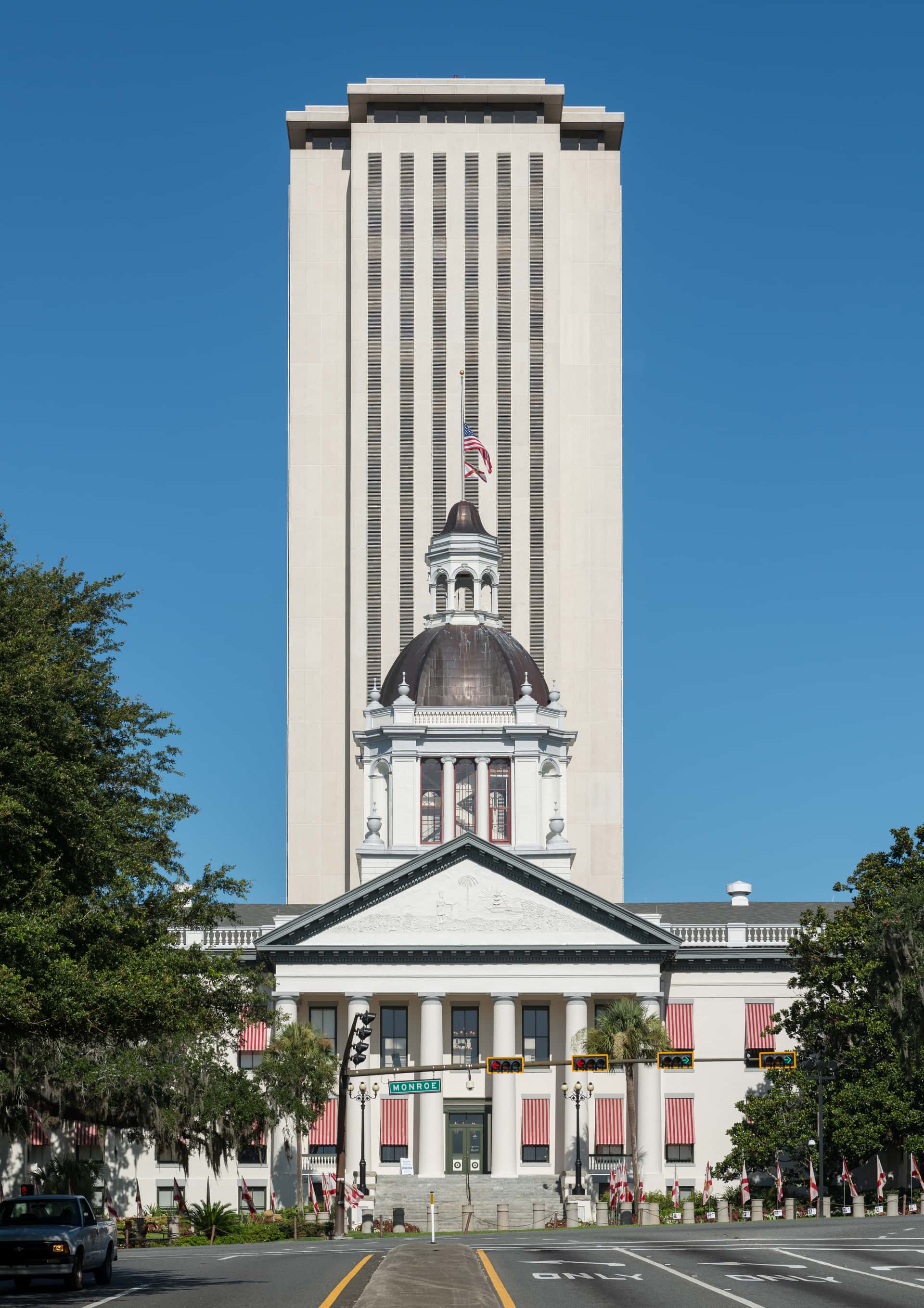
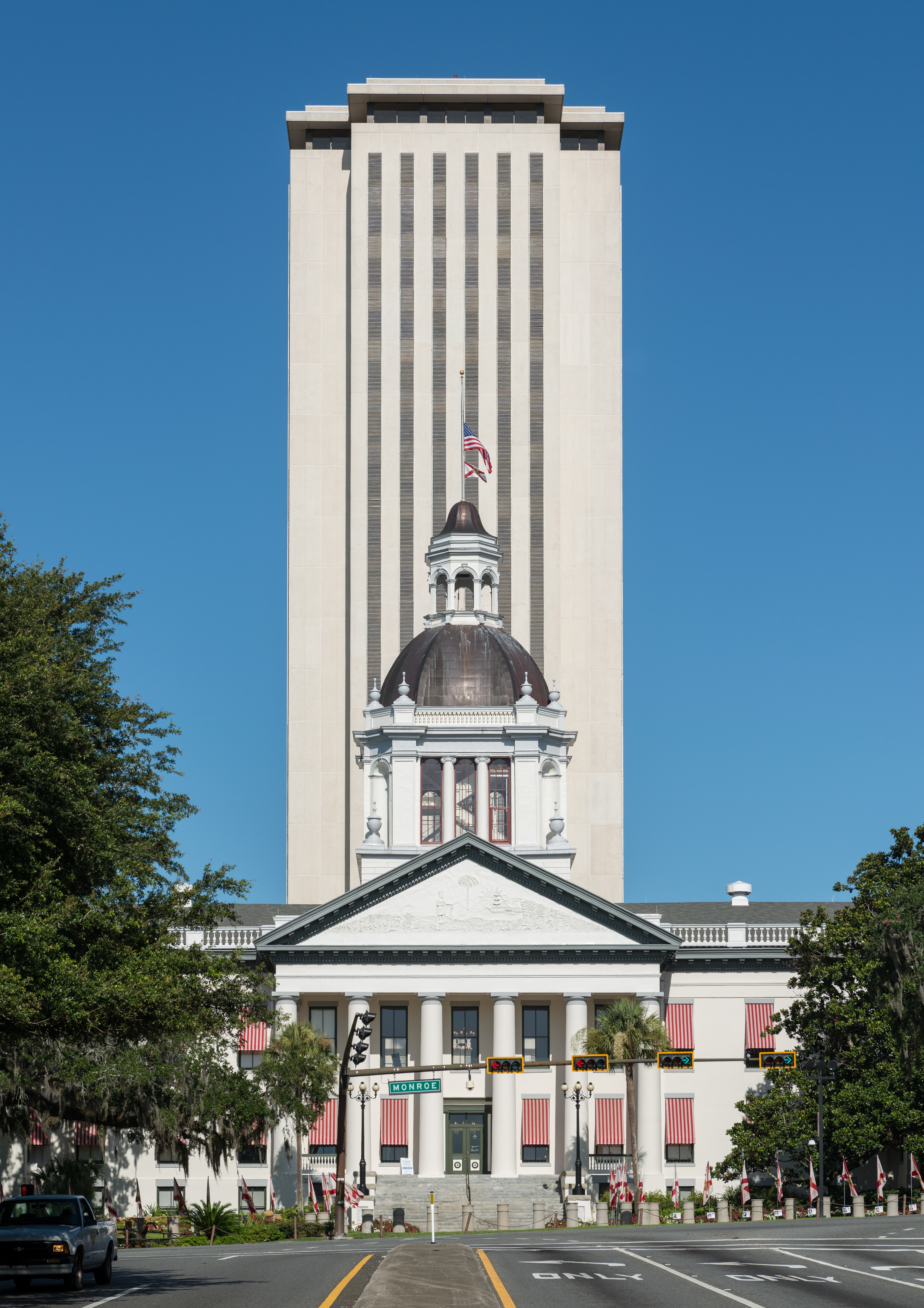
Florida Attorney General James Uthmeier announced a legislative proposal this week that would create a new standalone felony for people who discharge firearms while illegally taking wildlife near homes, occupied buildings, or critical infrastructure. The proposal, which Uthmeier said he will push during the next legislative session, would add a charge his office is calling aggravated illegal taking of wildlife to Florida's criminal code.
What the proposal would do
Under the framework the attorney general's office outlined, a person who knowingly fires a weapon while illegally taking or attempting to take wildlife in proximity to people, residences, or key infrastructure would face a second-degree felony charge. In Florida, a second-degree felony carries a statutory maximum of 15 years in prison and a fine of up to 10,000 dollars, though actual sentences are governed by the state's criminal punishment code scoresheet.
The proposal would also elevate illegal hunting on private property to a third-degree felony, which carries a maximum of five years. Under current law, most poaching offenses in Florida are handled as misdemeanors or as violations of Florida Fish and Wildlife Conservation Commission rules, with penalties that critics have argued do not match the danger involved when the conduct occurs near occupied structures.
Beyond the prison exposure, the proposal includes what amount to collateral penalties. Convicted violators would permanently lose hunting privileges in Florida and would forfeit any firearms, vehicles, or equipment used in the offense. Permanent revocation is a significant step; existing law generally provides for suspensions of defined length rather than lifetime bars for wildlife violations.
The problem the proposal targets
The specific conduct at issue is not ordinary poaching in remote areas. It is the growing category of incidents in which people hunt illegally at the edges of residential development, firing rifles or shotguns in circumstances where a missed shot or a ricochet can reach a house, a road, or a person. Florida's pattern of suburban expansion into former agricultural and rural land has steadily increased the number of places where that geography exists.
Wildlife officers and county sheriffs across the state have reported incidents involving spotlighting at night, shooting from vehicles on rural roads, and hunting on posted private property near subdivisions. The concern law enforcement has raised is that the existing penalty structure treats these cases primarily as a wildlife matter rather than as a public safety matter, and that the charging options available do not reflect the risk to bystanders.
The attorney general's office framed the proposal as closing that gap. Rather than requiring prosecutors to reach for general firearms statutes that may not cleanly fit the facts, the new offense would give the state a charge written specifically for the combination of illegal wildlife taking and discharge of a weapon in a populated area.
How wildlife enforcement works in Florida
The Florida Fish and Wildlife Conservation Commission is the primary agency enforcing hunting and wildlife law statewide. Its sworn law enforcement officers have full police powers and patrol both land and water, working alongside county sheriffs' offices and, in some cases, federal wildlife officers on federal land.
Most wildlife enforcement actions in Florida involve licensing violations, season and bag limit violations, or illegal methods of take. The commission publishes annual enforcement statistics, and the volume of cases is substantial across a state with extensive public hunting land, a long deer and hog season, and significant wetland and coastal enforcement activity.
Cases that involve firearms discharged near occupied structures currently move through a patchwork of statutes. Prosecutors may charge under provisions covering reckless discharge, trespass, or destruction of property depending on what the facts support. The attorney general's proposal would consolidate that into a single offense with penalties calibrated to the risk.
Reaction and the legislative path
A proposal announced by the attorney general in August does not become law on its own. Florida's next regular legislative session convenes in January, and the idea will need a House sponsor, a Senate sponsor, committee hearings in both chambers, and floor passage before it can reach the governor's desk. Bills that begin as executive branch proposals frequently change substantially in committee.
The politics of the proposal are not obviously contentious in either direction. Hunting organizations in Florida have generally supported stronger penalties for poaching, on the reasoning that illegal taking harms both wildlife populations and the reputation of lawful hunters. Property rights advocates have separately pushed for stronger enforcement against trespass hunting.
The questions likely to come up in committee involve drafting rather than principle. Defining proximity to a residence, specifying what counts as critical infrastructure, and setting the knowledge standard for the offense are the details that determine how broadly a statute like this reaches. Defense attorneys will scrutinize whether the language could sweep in conduct that is genuinely accidental.
What it means for Floridians
For the substantial number of Floridians who hunt legally, the proposal as described would not change anything about lawful activity. The offense requires an illegal taking or attempted taking as a predicate, meaning the conduct is already unlawful before the enhanced penalty attaches.
For residents of the state's rural-suburban fringe, the practical significance is in enforcement posture rather than statutory text. Counties including Polk, Lake, Osceola, Hendry, and portions of the Panhandle contain large stretches of land where subdivisions abut hunting country, and residents in those areas have been the most consistent source of complaints about shots fired near homes.
The forfeiture provision is the piece most likely to change behavior at the margin. Losing a vehicle and firearms permanently is a materially different deterrent than a fine, and prosecutors in other states with similar provisions have described asset forfeiture as the element defendants react to most strongly during plea negotiations.
The broader enforcement picture
The poaching proposal is one of several criminal justice initiatives the attorney general's office has advanced this year. Uthmeier's office has also been active in multi-agency narcotics operations, including a statewide fentanyl and methamphetamine investigation announced in July that produced dozens of arrests across five Central Florida counties.
Florida's attorney general holds prosecutorial authority through the Office of Statewide Prosecution, which handles cases that cross judicial circuit lines, alongside the office's civil, consumer protection, and appellate functions. Legislative proposals from the office typically arrive as part of a package heading into session.
Whether the poaching measure advances will depend in part on how crowded the 2027 session agenda becomes. Election-year sessions and sessions following a change in the governor's office tend to prioritize budget and leadership priorities, and freestanding criminal code additions can be crowded out.
Florida's wildlife at the center of it
The species most frequently involved in illegal taking in Florida include white-tailed deer, wild hogs, and alligators, each with a different regulatory framework. Deer are managed through season, bag limit, and antler restrictions that vary by deer management unit. Wild hogs are treated as a nuisance species on private land with far fewer restrictions.
Alligator harvest operates under a permit lottery system administered by the Florida Fish and Wildlife Conservation Commission, with tags issued for specific harvest units and dates. Illegal alligator taking carries its own penalty structure and has been the subject of dedicated enforcement operations.
Protected species add a federal layer. Florida panthers, manatees, sea turtles, and various bird species are covered by the Endangered Species Act or the Migratory Bird Treaty Act, which means taking them triggers federal jurisdiction alongside state charges. Panther deaths from gunshot wounds have prompted federal investigations.
The commission's law enforcement division also handles the marine side, enforcing recreational and commercial fishing regulations across the state's extensive coastline. That workload is substantial and largely separate from the terrestrial hunting enforcement the poaching proposal addresses.
How Florida penalties compare
Wildlife penalty structures vary widely across states, and Florida sits in the middle of the range under current law. Some states have elevated repeat poaching to felony status, and several have adopted restitution schedules that assign a dollar value to illegally taken animals, requiring convicted violators to pay that amount to the state on top of any fine.
Restitution schedules have proven effective in states that adopted them because they create a financial consequence proportionate to the harm and generate revenue that funds enforcement. A trophy-class deer taken illegally can carry restitution running into thousands of dollars under those frameworks.
License revocation is the penalty with the most direct behavioral effect on people who hunt regularly. Florida participates in the Interstate Wildlife Violator Compact, an agreement among member states to recognize each other's license suspensions, meaning a Florida revocation carries consequences in participating states rather than allowing a violator to simply hunt elsewhere.
The forfeiture element in the attorney general's proposal would be the most significant addition to Florida's existing structure. Permanent loss of hunting privileges combined with forfeiture of firearms and equipment represents a step beyond what current wildlife law provides.
What's next
The proposal now needs legislative sponsors. Bill filing for the next regular session opens in the fall, and committee weeks typically begin before the session itself. That process will produce actual statutory language, which will be the first opportunity to evaluate the scope of the offense rather than the description of it.
The Florida Fish and Wildlife Conservation Commission has not indicated whether it will formally take a position. Agency input on enforcement feasibility is often influential in how wildlife statutes get drafted, particularly on questions of what officers can practically document at a scene.
Floridians who witness suspected poaching are directed to the commission's Wildlife Alert hotline, which operates around the clock and accepts anonymous tips. The commission has historically paid rewards for information leading to arrests in wildlife cases.
Spotted an issue with this article?
Have something to say about this story?
Write a letter to the editor