Florida's Cruise Ports Add Capacity as the Industry Sets Up Its Winter Season
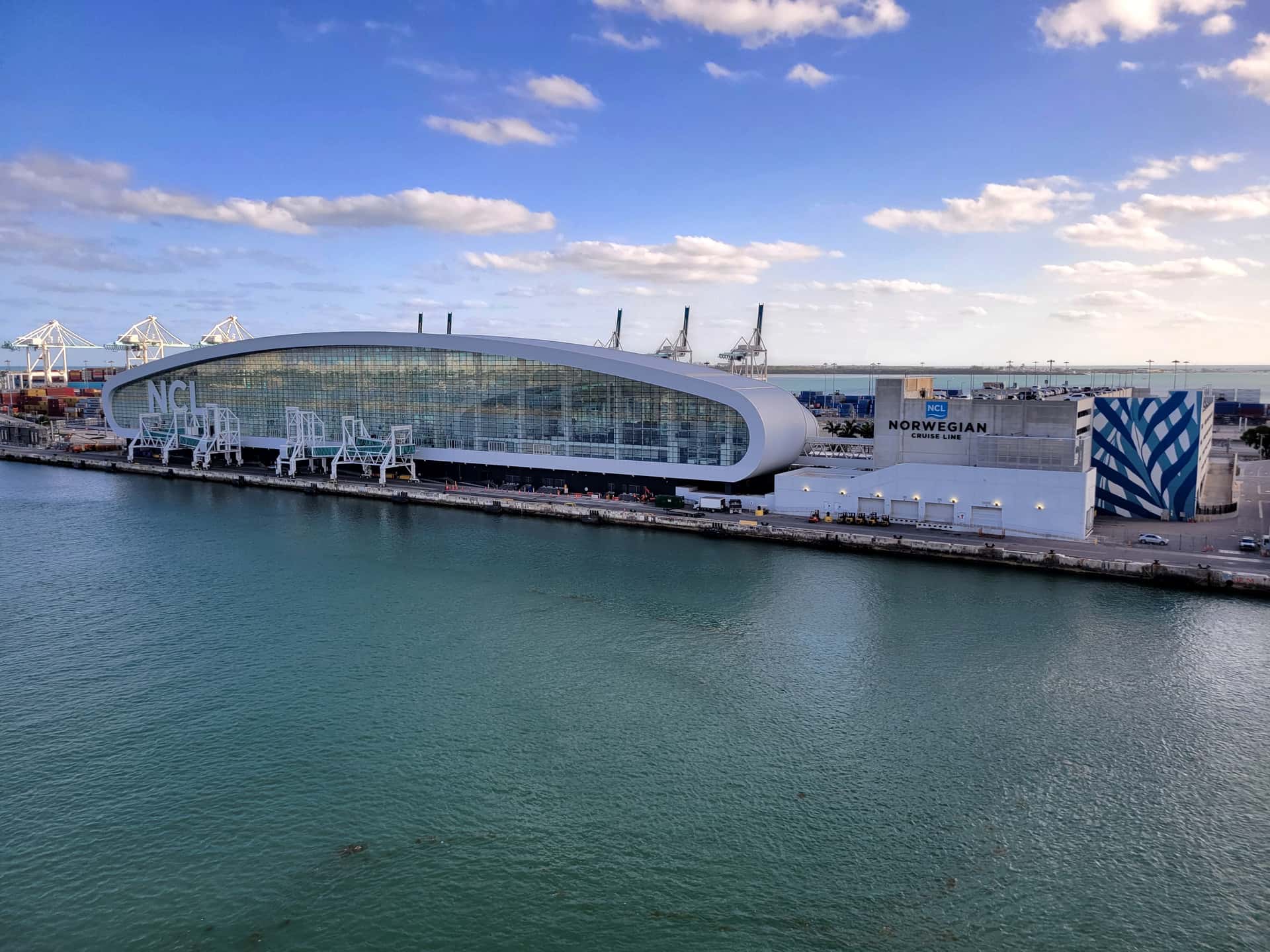
Florida's cruise ports are moving into the winter season with expanded infrastructure and repositioned ships, as Port Canaveral proceeds with a $95 million redevelopment of one of its cruise terminals and the major lines set their Florida homeport deployments for the coming year.
Construction began in August on the redevelopment of Cruise Terminal 10 at Port Canaveral, one of the busiest cruise ports in the world by passenger volume. Carnival Cruise Line has announced additional itineraries for the 2026 and 2027 seasons departing from Miami and Port Canaveral across four ships, and Royal Caribbean continues to base substantial capacity in Florida.
The activity matters to Florida beyond the ports themselves. The cruise industry is one of the state's defining economic sectors, supporting employment across port operations, provisioning, ground transportation, hotels, airports and the tourism businesses that serve passengers before and after sailings.
Florida's position in the industry
Florida hosts the busiest cruise ports in the world. PortMiami, Port Canaveral and Port Everglades together handle a share of global cruise passenger traffic that no other region approaches, and Port Tampa Bay and Jacksonville add capacity on the Gulf and northeast coasts.
The concentration reflects geography and infrastructure together. Florida's proximity to the Caribbean puts the most popular itineraries within convenient sailing distance, and the state's airport capacity allows passengers from across North America to reach embarkation points with a single flight.
Both of the industry's largest companies are headquartered in South Florida, which places corporate employment, decision making and supplier relationships in the state alongside the port operations.
The result is an industry cluster with few parallels. Florida does not merely host cruise departures. It hosts the industry.
The Port Canaveral investment
The $95 million redevelopment of Cruise Terminal 10 reflects the capital intensity of modern cruise operations. Contemporary ships carry passenger counts that require terminal facilities capable of processing thousands of embarking and disembarking travelers within a few hours.
Terminal design has changed substantially as ships have grown. Baggage handling, customs and immigration processing, security screening, passenger circulation and vehicle access all scale with ship capacity, and terminals built for earlier generations of vessels cannot accommodate current ones efficiently.
Port Canaveral's growth has been among the most striking in the industry. Its position relative to Orlando's attractions allows cruise and theme park vacations to be combined, a pairing the lines have marketed aggressively and that distinguishes the port from competitors.
Infrastructure investment of this kind is typically financed through port revenue and debt rather than general tax revenue, with repayment coming from the fees cruise lines pay per passenger.
What the lines are doing
Carnival Cruise Line launched a revised loyalty program at the start of September, restructuring how frequent passengers earn and redeem benefits. Loyalty program changes in this industry generate substantial customer reaction, because the benefits function as a form of accumulated value for repeat passengers.
The line has also announced additional sailings from Miami and Port Canaveral across four ships for the coming seasons, part of the deployment planning that determines which vessels operate from which homeports.
Royal Caribbean named a retired United States Air Force general as godmother of one of its ships in an announcement this month, part of the naming tradition that accompanies vessel introductions and transfers.
Deployment decisions matter economically to the ports involved. A ship homeported in Florida generates provisioning, crew, maintenance and passenger spending in the state. The same ship deployed elsewhere does not.
The economic footprint
Cruise operations generate economic activity through several channels that are easy to underestimate from the passenger's perspective.
Provisioning is substantial. A large cruise ship loads food, beverages, fuel and supplies at its homeport on every turnaround, and the volume required to feed several thousand passengers and crew for a week represents significant purchasing from regional suppliers.
Passenger travel adds another layer. A meaningful share of cruise passengers arrive a day early or stay a day after, filling hotel rooms, restaurants and attractions in the port cities. Airport traffic at Orlando, Miami and Fort Lauderdale includes substantial cruise related volume.
Employment spans port workers, terminal staff, ground transportation, ship maintenance and repair, and the corporate operations headquartered in South Florida. Crew members, who are largely not American, spend in port communities as well during turnaround periods.
The risks the industry carries
Cruise operations are exposed to disruptions that other tourism sectors are not, and Florida's ports absorb those effects directly.
Hurricanes are the recurring one. Storms close ports, force itinerary changes and occasionally strand passengers, and the peak of the Atlantic season overlaps with a portion of the cruise calendar. Lines have become adept at rerouting ships around storms, which protects passengers but disrupts the ports and destinations involved.
Public health disruptions remain in the industry's recent memory. The pandemic shutdown halted cruise operations entirely for an extended period, with severe consequences for Florida port communities and for the tens of thousands of workers the industry employs in the state.
Regulatory and environmental questions form a third category. Wastewater discharge, air emissions, reef impact from anchoring and the effect of passenger volume on small Caribbean destinations have all drawn scrutiny, and the industry operates under evolving international and local rules.
Federal policy and the Florida stake
Cruise operations depend on federal policy in ways that make the industry attentive to Washington. Customs and border processing capacity at terminals, public health authority over sailings, maritime regulation and international agreements governing port calls all sit at the federal level.
Trade and diplomatic developments affect itineraries directly. Policy toward particular Caribbean and Latin American destinations determines where ships may call, and changes can force rapid itinerary revisions across an entire season.
Florida's congressional delegation has historically engaged on cruise issues given the industry's concentration in the state, and port authorities maintain federal relationships independent of the lines.
What it means for Floridians
For residents of port communities, the industry is an employer and a source of traffic in roughly equal measure. Turnaround days concentrate thousands of vehicles around terminals, and port cities manage that with varying degrees of success.
For Floridians as travelers, living near the world's busiest cruise ports means access to sailings without the airfare that passengers from elsewhere pay. Lines market residential rates and drive to port convenience specifically to that population.
For the state economy, the industry's health is consequential. Cruise activity supports employment that does not require a college degree and that pays competitively, in a state where that combination is valuable.
How a turnaround day works
The operation that makes cruise economics work is the turnaround, the single day in which a ship disembarks several thousand passengers, is cleaned and reprovisioned, and embarks several thousand more.
Disembarkation begins early, with customs and immigration processing for arriving passengers running through the morning. Baggage is offloaded in volume. Crew changes occur. Waste is removed and fuel and water are loaded.
Provisioning runs in parallel and is substantial in scale. Food, beverages, retail inventory, spare parts and supplies for a week at sea arrive by truck and move through the terminal into the ship on a schedule measured in hours.
Embarkation of the next group of passengers begins in the early afternoon and continues until departure. The entire cycle typically completes within a single day, and the terminal infrastructure that makes it possible is exactly what capital projects like the Port Canaveral redevelopment are built to support.
What passengers should know about the season
For Floridians considering a sailing, the winter season brings the highest demand and the highest prices on Caribbean itineraries, while the shoulder periods in late spring and fall generally offer better value.
Travel insurance questions become more relevant for sailings during hurricane season, since itinerary changes and port cancellations are common when storms are active. Lines generally reserve the right to alter itineraries for safety, and passengers are not typically entitled to refunds for changes made on that basis.
Documentation requirements vary by itinerary, and passengers on sailings that visit foreign ports should confirm what their specific cruise requires well before departure rather than at the terminal.
The private destination trend
One of the more consequential shifts in Caribbean cruising over the past decade has been the development of private destinations owned or leased by the cruise lines themselves, which now feature on a large share of itineraries departing Florida.
The commercial logic is clear. A line that controls the destination captures onboard and onshore spending that would otherwise go to independent operators, controls the guest experience end to end, and avoids the congestion and unpredictability of public ports.
The effect on Caribbean economies is debated. Private destinations concentrate passenger spending within the line's own operations, which reduces revenue reaching local businesses in the region's traditional port towns. Regional governments and tourism authorities have raised that concern publicly.
For Florida, the trend reinforces the state's position. Ships calling at company owned destinations still depart from and return to Florida homeports, which means the provisioning, employment and passenger travel spending remains concentrated in the state.
What's next
The winter season is the industry's strongest period in Florida, as Caribbean itineraries draw passengers escaping northern weather and as the state's overall tourist season peaks.
Port Canaveral's terminal redevelopment will proceed through construction toward completion, and the port's capacity for the largest ships depends on that work. Infrastructure projects of this scale typically run over multiple seasons.
The remaining hurricane season is the near term variable. Florida has passed the climatological peak without a storm threatening the state, which is favorable for a fall cruise calendar that runs through the heart of the season's back half.
Spotted an issue with this article?
Have something to say about this story?
Write a letter to the editor