Florida Carries Out Seventh Execution of 2026 in the Case of Convicted Double Killer Richard Knight
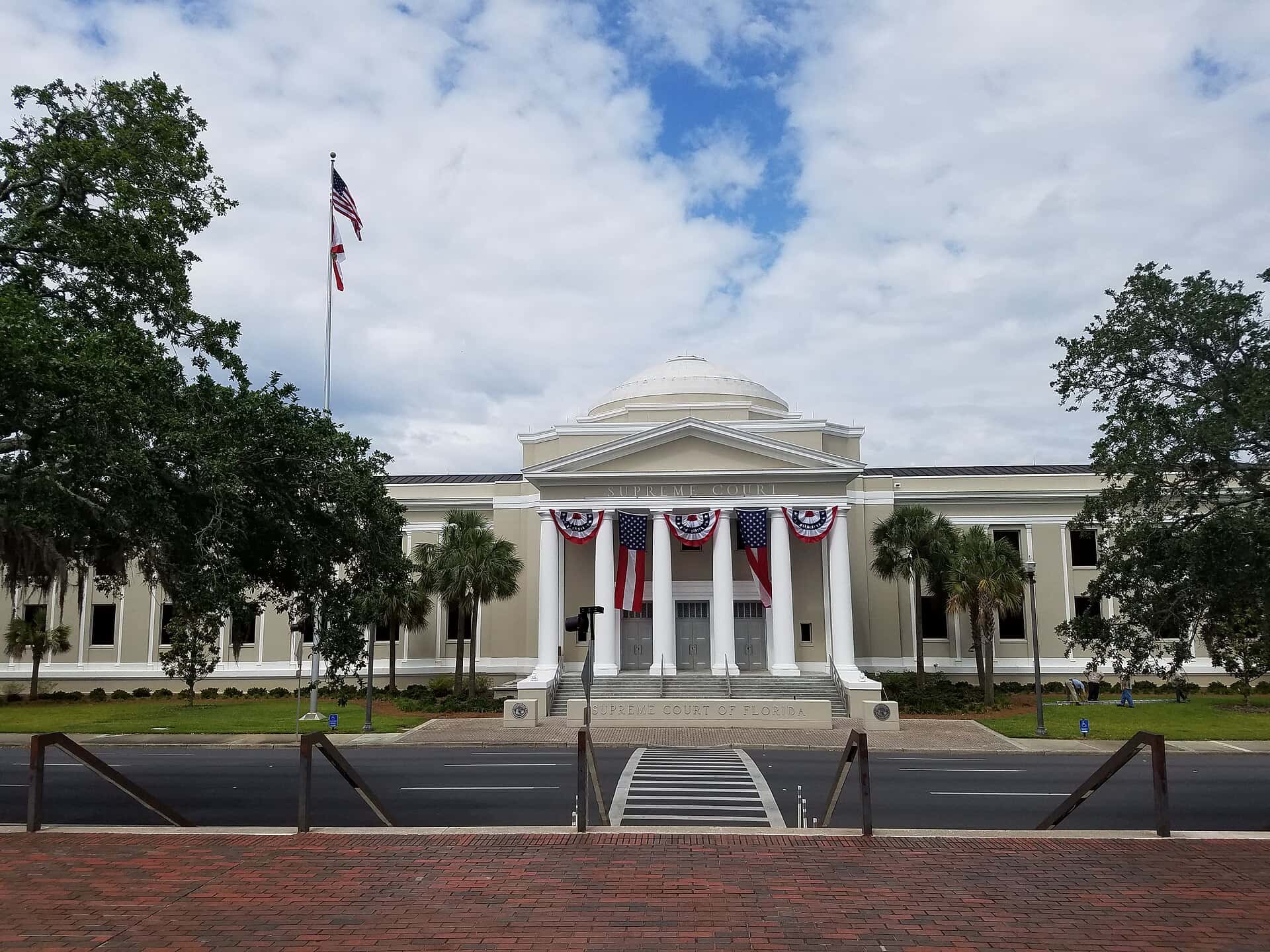
Florida carried out its seventh execution of 2026 on the evening of May 21, putting to death Richard Knight, 47, at Florida State Prison in Raiford for the 2002 murders of 24-year-old Odessia Stephens and her 4-year-old daughter, Hanessia Mullings. Knight was pronounced dead at 6:13 p.m. The execution continues Florida's historically elevated pace of carrying out death sentences, following a record 19 executions in 2025, the most by any Florida governor since the death penalty was reinstated in 1976.
The Crime and Conviction
The murders for which Knight was executed took place in South Florida in 2002. Richard Knight fatally stabbed Odessia Stephens and her daughter Hanessia Mullings. The killings were investigated by law enforcement in Broward County, and Knight was ultimately identified, arrested, and charged with two counts of first-degree murder.
A jury deliberated and found Knight guilty on both murder counts in April 2006. Three months later, in a penalty phase proceeding, the same jury unanimously recommended the death penalty. A judge subsequently imposed the death sentences, and Knight spent nearly two decades on Florida's death row as his case worked through the state and federal appellate systems.
Knight's case did not generate the same volume of public attention as some other Florida capital cases, but it was notable for the jury's unanimity in recommending death, a factor that took on additional significance following subsequent legal battles over Florida's death sentencing procedures. The Florida Supreme Court and the United States Supreme Court issued significant rulings in the mid-2010s regarding the constitutional requirements for jury participation in capital sentencing decisions, changes that affected pending cases but not finalized death sentences like Knight's.
The Execution Process
Florida uses lethal injection as its method of execution, employing a three-drug protocol that includes a sedative, a paralytic agent, and a drug that stops the heart. The state has carried out executions at Florida State Prison in Raiford, a maximum-security facility in Putnam County in Northeast Florida, for decades.
Florida law provides that the Governor signs a death warrant setting the date of execution, and the inmate's legal counsel may file last-minute appeals or clemency petitions. The execution process is overseen by officials from the Florida Department of Corrections and carried out by trained personnel at the prison. Witnesses allowed by state law include law enforcement officials, representatives of the victim's family, representatives of the condemned person's family, members of the news media, and a chaplain if requested.
No information was immediately released regarding whether any family members or other witnesses attended Knight's execution, as is typical for the Department of Corrections. The governor's office confirmed the execution was carried out as scheduled.
Florida's Execution Pace in 2026
With seven executions completed by late May 2026, Florida is on a pace that would likely exceed 15 executions for the full calendar year if maintained, though the cadence of execution warrant signings is not always linear. Governor DeSantis signed warrants at a historically high rate in 2025, when the state executed 19 people, a modern record.
Capital punishment advocates have credited Governor DeSantis with bringing accountability to the death penalty process by actively using the governor's authority to sign warrants and move forward cases that had languished for years. They argue that families of murder victims have waited too long for sentences to be carried out and that the lengthy appeals process, while constitutionally required, should not extend indefinitely.
Opponents of capital punishment, including the American Civil Liberties Union of Florida and several religious organizations active in Florida, have repeatedly called for a moratorium on executions and an examination of the risk of executing innocent individuals. They have raised concerns about the racial and socioeconomic disparities they say affect who ends up on death row and who receives a death sentence versus a lesser punishment for comparable crimes.
Florida's Death Row Population
Florida has one of the largest death row populations in the United States, with several hundred individuals currently sentenced to death. The high number reflects both Florida's population size and its historical pattern of imposing capital punishment in a wide range of murder cases that qualify under the state's death penalty statutes.
The state's capital punishment framework has been amended several times in recent years. A significant change came in 2023 when the Florida Legislature and Governor DeSantis lowered the jury vote threshold required to recommend a death sentence from unanimous to an 8-4 supermajority in cases involving certain categories of especially heinous crimes. The change was part of a legislative push prompted in part by the outcome of the trial of the Parkland school shooter, whose jury recommended life imprisonment over death on a 9-3 vote, which under the law at the time meant a life sentence was imposed.
The constitutionality of the lower threshold has been contested in court, and cases sentenced under the new standard will eventually work their way through the appellate process. Cases like Knight's, sentenced to death before the threshold changes, were not affected by those subsequent legal developments.
Victim Family and Community Impact
The execution of an individual convicted of murder always brings a complex mix of responses from those affected by the original crime. For families of murder victims, the execution date is often a moment of finality in a process that can span decades. For others, particularly those who knew the person executed, the day carries a different weight.
The victims in this case, Odessia Stephens and her young daughter Hanessia Mullings, were South Florida residents whose deaths left a permanent mark on those who knew and loved them. The years between the 2002 murders and the 2026 execution represent more than two decades during which the case moved through Florida's court system, a length of time that is common in capital cases given the number of required appellate reviews at the state and federal level.
Victim advocacy organizations in Florida have consistently supported the state's pace of executions under Governor DeSantis, arguing that the families of murder victims deserve to see justice carried out within a reasonable timeframe and that indefinitely delayed executions fail to provide the closure that is the intended benefit of capital punishment as a policy.
What is Next
Governor DeSantis is expected to continue signing execution warrants through the remainder of his term in office. Florida's death row population means there is no shortage of pending cases, and the governor's office has shown no indication of slowing the pace of warrant signings. Legal advocates on both sides of the capital punishment debate will continue to monitor cases for any constitutional issues or new evidence that might support appeals or clemency petitions.
The broader national debate over capital punishment continues as Florida maintains one of the most active execution schedules in the country alongside Texas and a small number of other states that regularly carry out death sentences. Polling on public support for capital punishment has varied significantly in recent years, with the issue remaining politically salient in a state where it has long been a prominent part of criminal justice policy debates.
Spotted an issue with this article?
Have something to say about this story?
Write us a letterComments
No comments yet. Be the first to weigh in.
Related Coverage

Two Spring Hill men indicted in 2018 home invasion killing of young father in Hernando County
3h ago
Operation Cooked: Undercover Osceola Sting Nets At Least 20 Arrests of Men Accused of Seeking Sex With Children
5h ago

Federal Jury Convicts Three Naples Men in $30,000 Murder-for-Hire Plot Targeting a Man Whose Brother Wanted Him Dead
7h ago

Woman known only as 'Cinnamon,' found dead on a boat off Key West in 1999, identified through DNA
1d ago