Florida Cruise Ports Power a Record 2026 as Port Canaveral Paces Toward 9 Million Guests
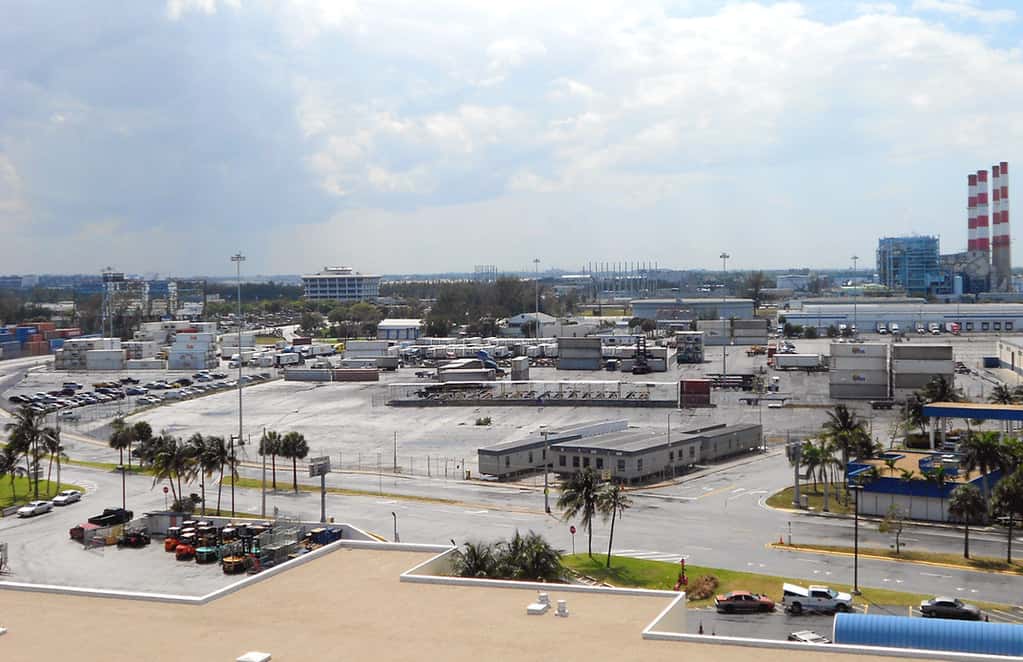
Florida's cruise ports are charting another record year in 2026, with Port Canaveral on pace to welcome a record 9 million cruise guests and PortMiami continuing its own surge. The figures underscore Florida's position as the hub of an industry that is nationally and federally significant, and they translate into jobs, port revenue, and tourism dollars that ripple through the state's economy.
Port Canaveral, on Florida's Space Coast, anticipates roughly 1,083 ship calls in 2026 as it paces toward the 9 million guest milestone. The port is preparing to homeport 18 cruise ships from a roster of major lines, including Disney Cruise Line, Carnival, Royal Caribbean, Celebrity, MSC, Norwegian, and Princess, a lineup that reflects its standing among the world's busiest cruise gateways.
The momentum builds on a landmark 2025. In that year, Port Canaveral was named the world's busiest cruise port after welcoming a record 8.6 million guests, a 13% increase over the prior year. That total surpassed PortMiami, which has long held a leading position among global cruise gateways and which posted strong numbers of its own.
For Florida, the cruise industry is more than a tourism story. It is a pillar of the state's economy, supporting employment, generating revenue at the ports, and drawing visitors who spend across surrounding communities. The 2026 pace suggests that pillar is growing stronger, with Florida's ports leading an industry that carries weight far beyond the state's borders.
Port Canaveral's Record Pace
Port Canaveral's projection of a record 9 million cruise guests in 2026 marks a new high for a port that has rapidly ascended the ranks of global cruise gateways. The anticipated 1,083 ship calls reflect the volume of activity required to move that many passengers, with vessels arriving and departing throughout the year.
Central to the port's capacity is its plan to homeport 18 cruise ships. Homeporting means that ships are based at the port, beginning and ending their itineraries there, which concentrates passenger traffic and the associated economic activity at Port Canaveral. The presence of 18 homeported vessels signals a substantial commitment from the cruise lines.
The roster of lines homeporting at the port reads as a who's who of the industry: Disney Cruise Line, Carnival, Royal Caribbean, Celebrity, MSC, Norwegian, and Princess. That breadth means the port serves a wide range of cruise products and passenger demographics, from family-focused voyages to premium offerings.
Reaching 9 million guests would extend the trajectory the port set in 2025, when it claimed the title of the world's busiest cruise port. The 2026 pace builds directly on that achievement, positioning Port Canaveral to consolidate its place at the top of the global cruise hierarchy.
The 2025 Milestone
The foundation for the 2026 outlook was laid in 2025, when Port Canaveral was named the world's busiest cruise port. The port welcomed a record 8.6 million guests that year, a 13% increase over the prior year that propelled it past its competitors.
That 13% jump represents rapid growth, the kind that reshapes the competitive landscape among cruise ports. By adding more than a tenth to its passenger total in a single year, Port Canaveral demonstrated both rising demand and the capacity to accommodate it, setting the stage for the further growth projected in 2026.
The milestone carried symbolic as well as practical weight. Claiming the title of the world's busiest cruise port placed Port Canaveral at the forefront of the global industry, a distinction that reflects Florida's broader dominance in cruising and that can attract further investment and itineraries.
The 2025 achievement surpassed PortMiami, a port that has historically ranked among the busiest cruise gateways anywhere. That a Space Coast port overtook one of the industry's traditional leaders highlights the dynamism of Florida's cruise sector and the way growth is distributed across the state's ports.
PortMiami's Strong Numbers
PortMiami remains a powerhouse in its own right, posting figures that underscore the strength of South Florida's cruise market. In 2025, the port welcomed 8,564,225 passengers, an increase of about 4.02% over 2024, when it handled 8,233,056 passengers.
That growth, while more modest in percentage terms than Port Canaveral's, came atop an already large base, reflecting PortMiami's established role as a premier cruise gateway. Moving more than 8.5 million passengers in a single year places the port among the busiest in the world, even as Port Canaveral edged ahead.
PortMiami has also demonstrated its capacity through single-day records. The port has handled days with more than 75,000 passengers across roughly 10 ships, a concentration of activity that illustrates the logistical scale at which the port operates during peak periods.
Together, the two ports show that Florida's cruise strength is not confined to a single location. Port Canaveral and PortMiami each command enormous passenger volumes, and their combined activity anchors the state's status as the center of the cruise industry, with multiple gateways operating at world-leading scale.
The proximity of two such busy ports within a single state is itself notable. Few places host even one gateway of this magnitude, and Florida sustains multiple, drawing on its geography, climate, and established cruise infrastructure. That concentration reinforces the state's role as the industry's hub and distributes the economic benefits across more than one region of Florida.
An Economic Pillar for Florida
The cruise industry's importance to Florida extends across multiple dimensions of the economy. The ports themselves generate revenue through the activity they host, and the millions of passengers who pass through support a wide array of jobs and businesses connected to cruising.
Employment tied to the cruise sector spans port operations, ship servicing, hospitality, transportation, and the many businesses that cater to travelers. When millions of guests begin and end voyages at Florida ports, they create demand for the workers and services that make those journeys possible, sustaining jobs across the regions surrounding the ports.
Tourism is a central thread. Cruise passengers often travel to Florida ahead of their voyages or extend their stays afterward, spending on hotels, dining, attractions, and other services. That spending reaches beyond the port gates into the broader local and state economy, amplifying the industry's footprint.
Port revenue adds another layer. The fees and activity associated with hosting ships and passengers contribute to the ports' finances, which in turn support infrastructure and operations. As passenger totals climb toward records, the economic benefits to Florida grow correspondingly, reinforcing the industry's role as a pillar of the state's economy.
The benefits reach well beyond the immediate communities around the terminals. Provisioning a fleet of homeported ships draws on suppliers of food, fuel, and goods from across the region, and the workforce that staffs vessels, terminals, and shoreside operations lives throughout central and South Florida. Each homeported ship represents a recurring cycle of turnarounds, with passengers arriving, disembarking, and being replaced on a regular schedule, and that steady rhythm translates into predictable demand for the businesses that serve travelers.
The Federal Regulatory Backdrop
The cruise industry operates within a federal regulatory framework, which is part of why its Florida-centered activity carries national significance. Federal authorities, including the U.S. Coast Guard, play roles in the oversight of maritime operations, and public health agencies have historically been involved in matters affecting cruising.
The Coast Guard's responsibilities touch on the safety and security of vessels and ports, functions that are inherently federal. The presence of that oversight means the cruise industry, though concentrated in Florida, is woven into national maritime governance, linking the state's ports to federal authority.
Public health considerations have also figured into the industry's regulatory environment, with federal agencies such as the Centers for Disease Control and Prevention having engaged with cruise operations in the past. That backdrop illustrates how the industry intersects with federal policy on matters affecting passengers and crew.
This federal dimension is part of what makes the cruise story national rather than purely local. Florida hosts the industry's busiest ports, but the activity unfolds within a framework of federal regulation, connecting the state's cruise sector to national institutions and policy.
What Continued Growth Means
The trajectory toward record passenger totals carries implications for Florida's ports and the communities around them. Continued growth means sustained and potentially rising demand for the jobs, services, and infrastructure that support cruising, reinforcing the industry's economic contribution.
For Port Canaveral, reaching 9 million guests would represent both an achievement and a benchmark, raising expectations and underscoring the port's leading position. The homeporting of 18 ships from major lines suggests the cruise companies are committing capacity to the port, a vote of confidence in its continued growth.
For PortMiami, steady growth atop an already large base affirms its enduring strength as a cruise gateway. The port's single-day records and rising annual totals show a facility operating at high capacity, and continued growth would extend its established prominence.
Sustained growth at this scale also brings practical demands. Handling more ships and passengers calls for continued investment in terminals, channels, and the roadways and parking that move travelers to and from the docks. Days when a port hosts tens of thousands of arriving and departing guests test the coordination among port staff, cruise lines, and local transportation, and managing that flow smoothly is part of what allows the ports to keep climbing toward record totals rather than running into bottlenecks.
Across the state, the combined success of these ports points to Florida's deepening role as the heart of the cruise industry. As passenger volumes climb, the economic stakes rise, making the performance of the ports a significant factor in the state's tourism-driven economy.
What's Next
The immediate question is whether Port Canaveral realizes its projected record of 9 million guests in 2026, supported by the roughly 1,083 ship calls and 18 homeported vessels it anticipates. The year's final totals will confirm whether the pace holds and the milestone is reached.
PortMiami's trajectory will also bear watching. After welcoming more than 8.5 million passengers in 2025, the port's 2026 performance will indicate whether its growth continues and how it compares with Port Canaveral in the evolving competition among Florida's cruise gateways.
The federal regulatory backdrop, including the roles of the Coast Guard and public health authorities, will remain part of the operating environment for the industry. How that framework evolves could shape the conditions under which Florida's ports operate as they pursue further growth.
For Florida, the broader stakes lie in the economic benefits that flow from the cruise industry. Continued record performance would reinforce the sector as a pillar of the state's economy, sustaining jobs, port revenue, and tourism, and cementing Florida's place at the center of a nationally significant industry.
Spotted an issue with this article?
Have something to say about this story?
Write us a letterComments
No comments yet. Be the first to weigh in.
Related Coverage

Monroe County Elections Chief Investigating Video of Apparent Armed Federal Agents Outside Keys Early Voting Site
43m ago

Frost and Lee File Bipartisan SLOTHS Act to Ban Sloth Imports After Orlando's Sloth World Deaths
2h ago

Democrat Nicole Locklin Challenges Longtime Rep. Mario Díaz-Balart in Redrawn 26th Congressional District
4h ago

SpaceX Launches Bandwagon-5 Rideshare From Cape Canaveral, Lighting Up a Brief Space Jellyfish Over Florida
21h ago