DeSantis Touts Expanded 2026 Red Snapper Seasons After Federal Permit Approval
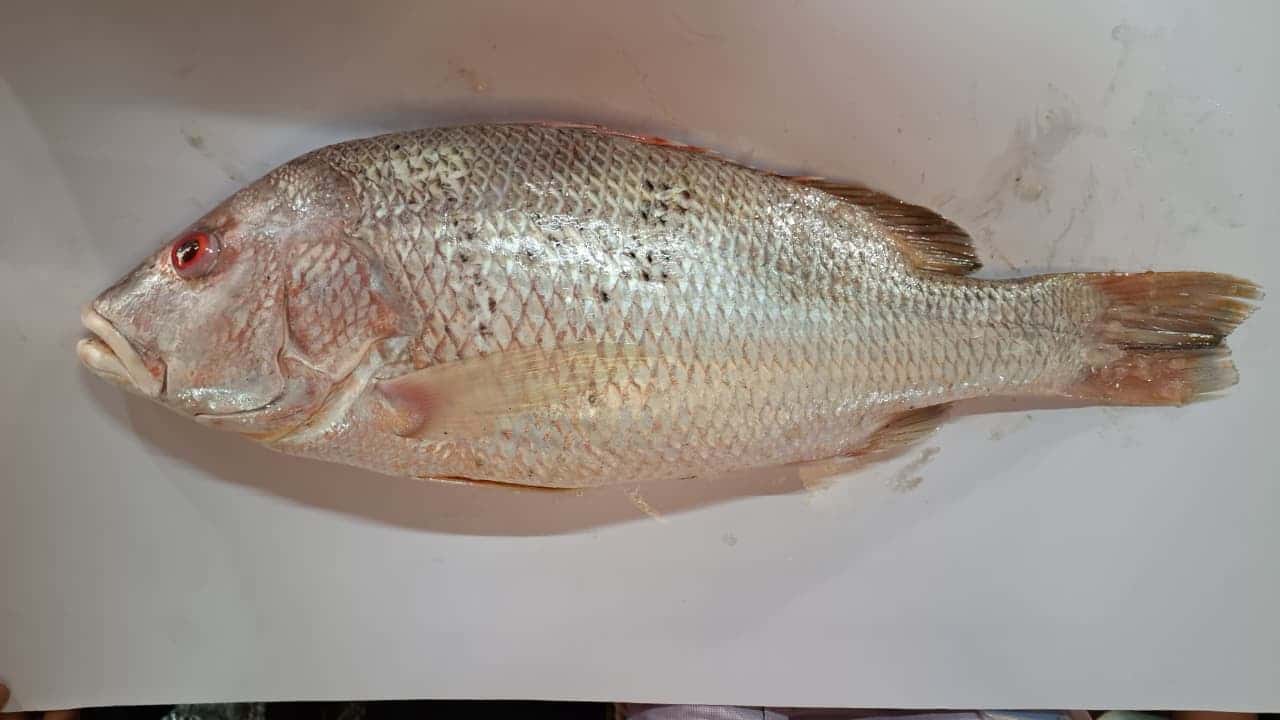
Florida anglers are entering the summer of 2026 with far more time on the water for one of the state's most coveted reef fish, after Gov. Ron DeSantis announced sharply expanded recreational red snapper seasons on both the Atlantic and Gulf coasts. The announcement's centerpiece was federal approval of Florida's Exempted Fishing Permit, a regulatory tool that lets the state manage the recreational Atlantic red snapper fishery in both state and federal waters beginning in 2026.
The scale of the change is hard to overstate. The Atlantic season will run 39 days in 2026, a dramatic leap from the two-day federal Atlantic season anglers were granted in 2025. That amounts to an increase of more than 1,800%, turning what had been a fleeting weekend opportunity into a season long enough for families, charter captains and coastal businesses to plan around with confidence.
DeSantis applauded the federal approval as a milestone in Florida's long campaign to take control of its prized reef fisheries from a federal management system that anglers and state officials have criticized for years as too restrictive. The expanded seasons are coordinated through the Florida Fish and Wildlife Conservation Commission, the agency that sets the state's saltwater fishing rules and now carries primary responsibility for the Atlantic red snapper season.
A Far Longer Atlantic Season
The 2026 Atlantic red snapper season is structured to open the fishery during the warm-weather months when offshore conditions are most favorable. The summer portion runs from May 22, the start of Memorial Day weekend, through June 20, capturing the prime early-summer window when boats can reach the offshore reefs where the species gathers.
A fall season follows, built around three-day weekends in October. Those dates fall on October 2 to 4, October 9 to 11, and October 16 to 18, giving anglers additional chances to target red snapper as cooler weather arrives. Splitting the days between summer and fall lets the state serve both the peak summer demand and the autumn fishing that many anglers prefer along the Atlantic shelf.
The contrast with 2025 could hardly be sharper. Under federal management, the Atlantic recreational red snapper season was limited to just two days, a window so narrow that a single stretch of rough seas could erase an angler's entire opportunity for the year. The 39-day structure builds in resilience against bad weather and broadens access for the many Floridians who fish the east coast.
The Exempted Fishing Permit is the legal mechanism that makes the longer Atlantic season possible. By granting Florida authority over the fishery in both state and federal waters, the permit allows the FWC to set seasons based on its own data and management goals rather than deferring to the shorter federal framework that had governed Atlantic red snapper for years.
The Longest Gulf Season Yet
On the Gulf coast, the 2026 season extends Florida's already substantial control over red snapper management. The Gulf recreational season will span 140 days, the longest since the state assumed Gulf management authority. The summer season opens May 22, aligning the Gulf and Atlantic start dates around the Memorial Day weekend that traditionally marks the unofficial start of Florida's summer fishing.
The trajectory of the Gulf fishery shows what state management has meant for anglers. After Florida took over Gulf red snapper management, the recreational season grew from just three days under federal control to well over 100 days in prior years. The 140-day season for 2026 marks a new high point in that progression, reflecting both the health of the Gulf stock and the state's confidence in its own data collection.
That data collection has been central to Florida's case for control. The state has invested in angler reporting tools and survey programs designed to give managers a clearer picture of how many fish are being caught, allowing for longer seasons without jeopardizing the long-term health of the stock. Supporters argue that localized data produces seasons that are both more generous and more responsive to conditions on Florida's reefs.
For Gulf communities, a 140-day season represents a substantial economic window. The extended access supports the charter fleets, bait and tackle shops, marinas and waterfront restaurants that depend on a steady flow of anglers throughout the warmer months, turning red snapper into a reliable driver of coastal commerce rather than a brief seasonal flurry.
What It Means for Charter Operators and Coastal Economies
The practical impact of the expanded seasons falls heavily on the people who make their living from Florida's waters. Charter operators, who book trips weeks or months in advance, can now offer customers reliable red snapper outings across a wide stretch of the calendar. A 39-day Atlantic season and a 140-day Gulf season give captains the predictability they need to fill their books and to market Florida as a premier destination for offshore fishing.
Coastal economies stand to benefit well beyond the boats themselves. Anglers traveling to fish red snapper spend on lodging, fuel, food, tackle and guides, sending dollars rippling through small coastal towns that rely on tourism. Longer, more dependable seasons reduce the boom-and-bust pressure that came with two-day or three-day federal windows, when an entire year's economic opportunity could hinge on a single weekend's weather.
The expansions also carry a competitive dimension for Florida's tourism economy. As one of the nation's premier saltwater fishing destinations, the state competes with other Gulf and Atlantic coastal regions for visiting anglers. Generous, well-publicized red snapper seasons strengthen Florida's appeal and help anchor the broader recreational fishing industry that supports thousands of jobs statewide.
For everyday Florida anglers, the longer seasons simply mean more days to pursue one of the most sought-after reef fish in the region. Red snapper is prized both for the challenge of the catch and for the table, and the expanded access restores a recreational tradition that federal restrictions had narrowed to the point of frustration for many families.
How Anglers Can Plan the Season
With the dates now set, Florida anglers have a clear framework to build their summer and fall around. The Atlantic summer window from May 22 to June 20 offers a continuous stretch suited to weekend trips and longer outings alike, while the October weekends provide a second chance for those who missed the early run or who prefer the cooler conditions of the fall fishery on the east coast.
On the Gulf side, the 140-day season opening May 22 gives anglers an unusually wide canvas, reducing the pressure to seize a single narrow opening and allowing trips to be scheduled around weather, family commitments and tides. That flexibility is a marked departure from the era of two-day and three-day federal seasons, when anglers had little room to wait out a poor forecast.
State officials encourage anglers to review the specific gear, bag and size requirements that accompany the seasons, since red snapper management includes rules designed to protect the stock even as access expands. Familiarity with those requirements helps ensure that the longer seasons translate into a sustainable harvest rather than enforcement problems or accidental violations.
For visiting anglers and those booking charters, the extended calendar makes Florida a more dependable destination, since a trip planned months ahead is far less likely to be wiped out by the closure of a brief window. That reliability is part of what the state hopes to deliver through its management of the fishery, turning red snapper into a planning anchor for the broader fishing economy.
The State-Versus-Federal Story
The 2026 announcement is the latest chapter in a long-running tug-of-war between Florida and federal fisheries managers over who should control the red snapper resource. For years, the federal system imposed seasons so short that anglers and state officials argued they bore little relationship to the actual abundance of fish on Florida's reefs. The state's push for management authority grew directly out of that frustration.
Florida's takeover of Gulf red snapper management became the proving ground for the argument that states could manage the fishery responsibly while delivering far more access. The growth from a three-day federal Gulf season to seasons exceeding 100 days, and now to 140 days, became the central evidence state managers cite when making the case for local control over federal oversight.
The Exempted Fishing Permit for the Atlantic extends that model to Florida's east coast. By securing federal approval to manage the Atlantic fishery in both state and federal waters, Florida has broadened the reach of an approach that began in the Gulf. The FWC now holds responsibility for demonstrating that the same data-driven, locally tailored management can sustain the Atlantic stock while delivering the longer seasons anglers want.
Conservation and What's Next
State officials maintain that the expanded seasons rest on conservation science, not simply on a desire to open the fishery wider. The FWC's monitoring programs are designed to track harvest against sustainable limits, allowing managers to adjust future seasons if the data warrants. Supporters argue that more accurate, Florida-specific data ultimately protects the resource better than blunt federal restrictions that did not reflect local conditions.
The success of the Atlantic Exempted Fishing Permit will be watched closely, since it represents a new arena for state management. How the 2026 Atlantic season performs, both in angler participation and in the health of the stock, will inform whether Florida can secure continued authority over the east coast fishery in the years ahead. A smooth, well-documented season would strengthen the state's hand in future dealings with federal regulators.
For now, Florida anglers have a clear set of dates to plan around: an Atlantic summer season from May 22 to June 20, Atlantic fall weekends in October, and a 140-day Gulf season that opened May 22. With both coasts open far longer than in recent memory, the 2026 red snapper season stands as a marquee moment for Florida's recreational fishing community and the coastal economies that depend on it.
The broader takeaway, state officials argue, is that Florida has demonstrated it can be trusted to manage its own waters. The 2026 seasons, anchored by the new Atlantic permit and the record Gulf calendar, give the state its strongest example yet of how local control can deliver more days on the water while keeping conservation at the center of the conversation.
Spotted an issue with this article?
Have something to say about this story?
Write us a letterComments
No comments yet. Be the first to weigh in.
Related Coverage

Deep Gulf life has collapsed since Deepwater Horizon and shows no sign of recovery, Florida-led study finds
23h ago

Residents Sue Miami-Dade to Force a Public Vote on Superyacht Marina at Former Miami Seaquarium
1d ago

Florida Panther Deaths Reach 14 in 2026 as Two Young Females Die on Collier and Hendry Roads
4d ago

71-Year-Old Man Killed by Nearly 12-Foot Alligator While Fishing at Winter Garden Park
Oct 17