Florida Fentanyl Deaths Drop 46 Percent as Statewide Overdose Deaths Fall for Third Straight Year
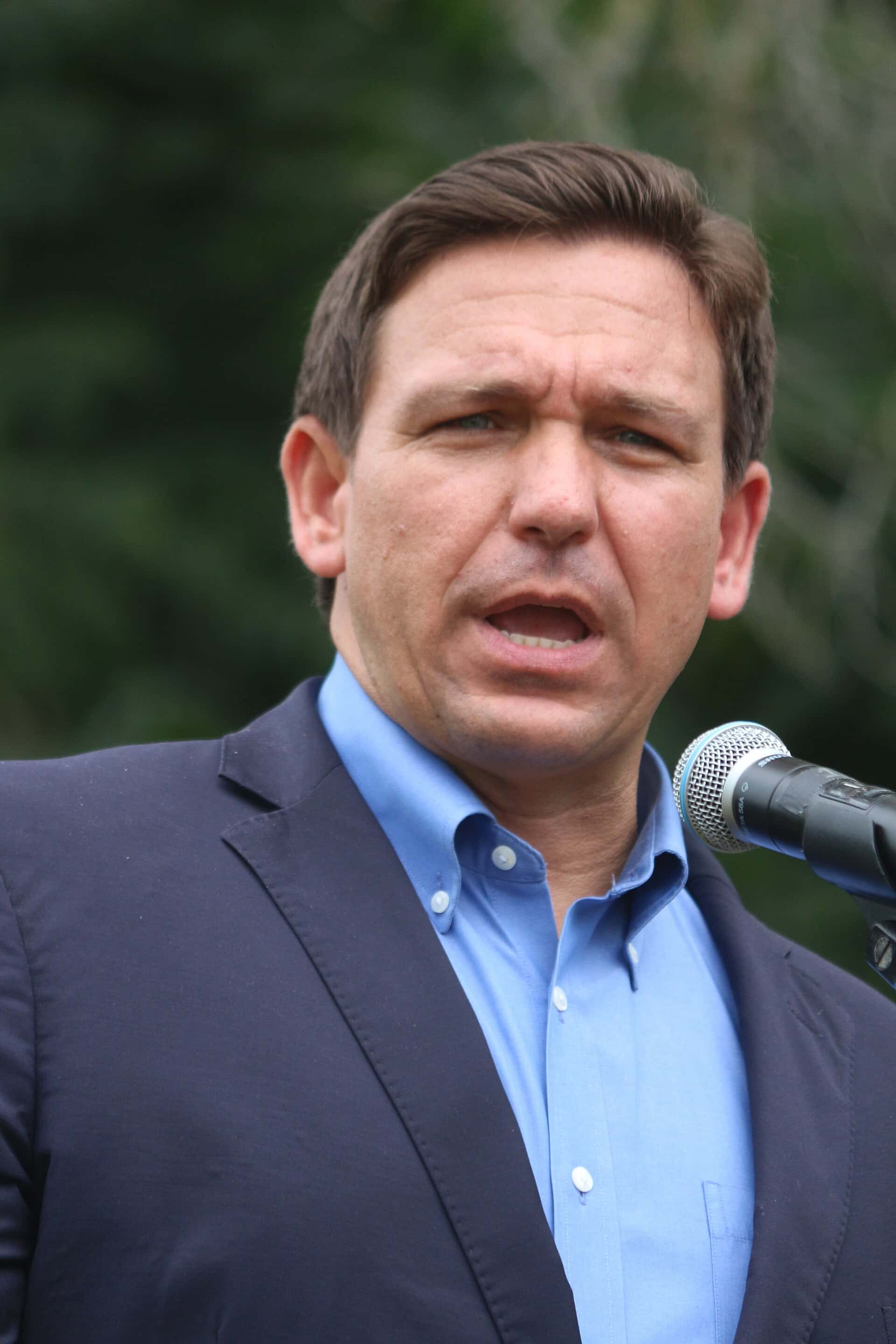
Governor Announces Sharp Drop in Fentanyl Deaths
Governor Ron DeSantis held a press conference in Titusville in Brevard County in mid-May 2026 to announce a significant and continuing decline in fentanyl and opioid-related deaths across Florida. The announcement highlighted data showing that statewide reported overdose deaths had decreased 19 percent, that opioid-caused deaths had dropped 42 percent, and that fentanyl-specific deaths had fallen 46 percent compared to the previous reporting period. The governor's office characterized the declines as evidence that the state's multi-pronged approach to the opioid crisis, combining enforcement, treatment, and harm reduction, is producing durable results.
The press conference was attended by Florida Department of Law Enforcement Commissioner Mark Glass and Florida Department of Highway Safety and Motor Vehicles Executive Director Dave Kerner, underscoring the cross-agency nature of the effort. DeSantis credited law enforcement, healthcare providers, and community organizations with driving the decline, framing the reduction in overdose deaths as a shared achievement that reflects years of sustained policy commitment rather than a single program or initiative.
Florida Department of Health data presented at the event showed that fentanyl deaths in the most recent reporting period totaled approximately 1,500, a figure that represents a 62 percent decrease from the state's peak of 5,791 fentanyl-related deaths recorded in 2021. The five-year trajectory from peak to the current reporting period illustrates the scale of both the crisis and the progress, though officials were careful to note that thousands of Floridians continue to die from drug overdoses annually and that the work of reducing those numbers is far from complete.
The Scale of Florida's Fentanyl Crisis
To understand the significance of the 2026 announcement, it is necessary to appreciate the magnitude of the crisis that preceded it. Fentanyl, a synthetic opioid that is 50 to 100 times more potent than morphine, began appearing in Florida's illicit drug supply in large quantities around 2017 and 2018. Unlike heroin or prescription opioids, fentanyl's extreme potency means that a dose smaller than a few milligrams can be lethal, and its presence is often invisible to users who believe they are purchasing other substances.
By 2021, fentanyl had become the leading driver of drug overdose deaths in Florida. The 5,791 deaths recorded that year represented a public health catastrophe that touched communities in every corner of the state, from the urban cores of Miami and Tampa to rural counties in the Panhandle and agricultural areas of Central Florida. The demographic profile of those deaths was broad, spanning age groups, income levels, and racial and ethnic backgrounds, though certain communities bore disproportionately high burdens.
The human cost of that peak year extended well beyond the death toll. Families were shattered, economic productivity was disrupted, and emergency response systems in many counties were strained by the volume of overdose calls. The Florida Department of Children and Families reported increased demand for child welfare services in communities where parental overdose deaths left children without caregivers. Law enforcement agencies described the volume of fentanyl seizures during that period as unlike anything their personnel had previously encountered.
The S.A.F.E. Program and Law Enforcement Strategy
A centerpiece of the state's response to the fentanyl crisis is the State Assistance for Fentanyl Eradication program, known as S.A.F.E., established in 2023. The program provides dedicated state funding to local law enforcement agencies for large-scale narcotics investigations specifically targeting fentanyl trafficking networks and cartel operations that supply the drug to Florida markets. According to a release from the governor's office, S.A.F.E. has funded investigations that have resulted in significant seizures of fentanyl, arrests of traffickers at multiple levels of distribution networks, and disruption of supply chains that were delivering the drug to communities across the state.
FDLE Commissioner Mark Glass, speaking at the Titusville press conference, highlighted the program's focus on going beyond street-level interdiction to target the organizational structures that enable large-scale trafficking. Investigations funded through S.A.F.E. have pursued cases that cross jurisdictional lines, requiring coordination between local agencies, FDLE, federal law enforcement partners including the Drug Enforcement Administration, and in some cases international partners. The commissioner noted that cartel-connected distribution networks have been a particular focus, given the role that Mexican drug trafficking organizations play in the production and initial distribution of much of the fentanyl that enters Florida.
Law enforcement leaders at the press conference credited the S.A.F.E. program with enabling investigations that would have been beyond the capacity of individual county agencies working alone. By pooling resources and establishing coordinated command structures, participating agencies have been able to sustain longer-term investigations that penetrate deeper into trafficking organizations rather than focusing exclusively on seizures at the retail distribution level. Governor DeSantis tied the drug interdiction effort to border security, arguing that controlling fentanyl flow into the United States requires both domestic enforcement and pressure at the points where the drug enters the country.
Increased Criminal Penalties for Drug Dealers
The legislative component of Florida's fentanyl strategy has included increases in criminal penalties for individuals convicted of trafficking in fentanyl and related synthetic opioids. The Florida Legislature, working with the DeSantis administration, enacted statutory changes that elevated the sentencing ranges applicable to fentanyl trafficking offenses and created new mandatory minimum provisions intended to deter both large-scale traffickers and the lower-level dealers who distribute the drug at the community level.
Proponents of the enhanced penalties argued that the severity of the fentanyl crisis justified a more aggressive deterrent framework, and that individuals who knowingly traffic a substance capable of killing with microscopic doses deserve sentences commensurate with the harm they cause. The governor's office cited the enhanced penalties as a meaningful component of the deterrent effect that has contributed to declining death rates, alongside the S.A.F.E. program's direct enforcement impact.
Critics of the penalty-focused approach, including some public health advocates and criminal justice reform organizations, have argued that sentencing enhancements primarily affect lower-level participants in trafficking networks rather than the cartel leaders and major distributors who drive the overall supply. Those critics have called for a continued emphasis on large-scale investigations that target organizational leadership rather than relying on enhanced sentences at the retail level to deter trafficking. The debate reflects a longstanding tension in drug policy between enforcement strategies focused on supply suppression and approaches that prioritize demand reduction and treatment.
Narcan Access and Harm Reduction
Alongside the enforcement-focused elements of the state's strategy, Florida significantly expanded access to naloxone, the overdose-reversal medication sold under the brand name Narcan. Naloxone works by rapidly binding to the opioid receptors in the brain and displacing fentanyl and other opioids, temporarily reversing the respiratory depression that causes overdose deaths. When administered promptly, naloxone can restore normal breathing within minutes and buy time for emergency medical personnel to arrive.
The state's expansion of naloxone access has proceeded through multiple channels. Pharmacies have been authorized to dispense the medication without a prescription under Florida's standing order protocol, making it available to individuals and families in the community without requiring a doctor's visit. Law enforcement officers across the state carry naloxone as a standard piece of equipment, enabling first responders to administer the medication at overdose scenes before paramedics arrive. Community distribution programs operated through health departments and non-profit organizations have placed naloxone in the hands of individuals at risk and their families.
Emergency use of naloxone by first responders and bystanders is credited with saving thousands of lives each year in Florida. The governor's office noted that the availability of naloxone is not a solution to the underlying crisis but serves as a critical safety net that prevents overdoses from becoming fatalities and preserves the opportunity for individuals to eventually access treatment and recovery services. The state has continued to fund naloxone distribution programs even as death rates have declined, on the theory that maintaining coverage during a period of improvement is essential to preventing backsliding.
Treatment and Recovery Infrastructure
The state's approach to fentanyl and opioid addiction has also included investments in treatment and recovery infrastructure. Medication-assisted treatment programs, which use FDA-approved medications such as buprenorphine and methadone to reduce cravings and withdrawal symptoms while individuals work on sustained recovery, have been expanded in communities where access was previously limited. Florida's Medicaid program has maintained coverage for these treatments, ensuring that low-income individuals have a pathway to evidence-based care.
Recovery support services, including peer recovery coaches who provide mentorship and practical assistance to individuals in early recovery, have also received increased attention and funding. Peer support programs leverage the lived experience of individuals who have successfully navigated recovery to help others navigate the challenges of early sobriety, including rebuilding social connections, finding employment, and accessing stable housing. Research on peer support models has generally shown positive outcomes, and the approach has been embraced by the Florida Department of Children and Families as a complement to clinical treatment services.
The governor's office acknowledged at the Titusville press conference that treatment capacity remains a challenge in some regions of the state, particularly in rural areas where the density of licensed treatment providers is lower than in urban centers. Telehealth expansions implemented during and after the pandemic have partially addressed that gap by allowing individuals in remote areas to access medication-assisted treatment through virtual visits, but advocates for rural communities continue to call for additional investment in in-person treatment infrastructure.
The Road Ahead in Fighting Fentanyl
The decline from 5,791 fentanyl deaths in 2021 to approximately 1,500 in the most recent reporting period represents genuine and significant progress. A 62 percent reduction over five years reflects the cumulative impact of enforcement, legislative action, harm reduction, and treatment investment working in concert. The governor's office was careful to frame the announcement not as a declaration of victory but as a milestone in an ongoing effort, noting that even at current levels Florida still loses more than a thousand residents annually to fentanyl alone.
Law enforcement officials at the Titusville event warned that the illicit drug market continues to evolve. Traffickers have responded to enforcement pressure by diversifying supply routes, changing the chemical formulation of fentanyl-laced products, and in some cases introducing other synthetic opioids such as nitazenes that are even more potent than fentanyl and for which naloxone may require multiple doses to achieve reversal. Sustained vigilance is required to prevent trafficking organizations from adapting to enforcement measures and restoring supply to pre-enforcement levels.
Public health officials also noted that the trajectory of overdose deaths nationally remains a concern, and that Florida's progress, while commendable, must be understood in the context of a national synthetic opioid crisis that continues to claim tens of thousands of lives annually. The state's experience offers lessons for other states still working to reverse their own fentanyl death tolls, including the value of dedicated enforcement funding, sustained harm reduction programs, and coordinated multi-agency response structures. Commissioner Glass indicated that FDLE intends to continue expanding the S.A.F.E. program and refining investigative strategies based on emerging trafficking patterns.
Community Impact and Continued Commitment
For Brevard County and the broader Titusville community, the governor's decision to hold the press conference locally highlighted the regional dimensions of the statewide fentanyl crisis. Brevard County, like many Florida counties outside the major metropolitan areas, experienced significant fentanyl-related fatalities during the peak years and has worked through local health departments, law enforcement, and community organizations to reduce those numbers. The presence of state leadership at a community venue reinforced the message that the effort is not solely a Tallahassee initiative but is grounded in the work of local agencies and organizations.
DeSantis pledged continued state support for the programs and partnerships that have driven the decline in overdose deaths, framing the commitment as both a public health obligation and a public safety priority. The governor's office said additional S.A.F.E. program funding would be proposed in future budget cycles, and that the administration would continue to press for federal cooperation on border security measures it views as complementary to domestic interdiction efforts.
For families who lost members to fentanyl during the peak years, the declining death toll carries a complicated emotional weight. Progress at the statistical level does not diminish individual losses, and many advocacy organizations founded by parents and siblings of overdose victims continue to push for even more aggressive action on both prevention and enforcement. Their presence in the policy conversation has helped sustain political will for continued investment in the state's anti-fentanyl strategy even as death rates have fallen, a dynamic that state officials credited with keeping the issue at the top of the public health agenda in Florida.
Spotted an issue with this article?
Have something to say about this story?
Write us a letterComments
No comments yet. Be the first to weigh in.
Related Coverage

Hillsborough Dengue Cases Reach 259 as State Workers Go Door to Door in Five Tampa Neighborhoods
4h ago
Florida Health Department Moves Closer to Dropping Four School Vaccine Requirements After Heated Lake Mary Hearing
1d ago

DeSantis Says Florida Has Cut 220 Medicaid Providers and Sent 150 Fraud Referrals as Crackdown Expands
4d ago
Tampa General takes over DeSoto County's only hospital, renaming it TGH DeSoto
6d ago