Florida Housing Market Reaches Inflection Point as Inventory Nears Pre-Pandemic Norms and Condo Prices Slide
Florida's housing market is entering one of its most consequential stretches in years, according to economists at Florida Realtors, with the next several months expected to determine whether conditions stabilize or soften as the summer season approaches. A burst of inventory, steadily improving sales volumes, and a significant divergence between single-family home and condominium markets are reshaping the choices available to buyers and sellers across the state.
Sales Rising for Eight Consecutive Months
Florida logged year-over-year gains in closed home sales for the eighth consecutive month in April 2026, according to the latest data from Florida Realtors. The sustained streak signals that buyers have not abandoned the market despite elevated prices and mortgage rates that, while below their 2023 peaks, remain well above the historically low levels that defined the pandemic-era housing boom.
The cumulative effect of eight months of sales growth has given market participants cautious reasons for optimism. Florida Realtors Chief Economist Dr. Brad O'Connor noted that the next several months represent an inflection point, with the summer selling season serving as a key indicator of whether the market's momentum is sustainable. If buyer activity holds through June and July, the state's housing market may emerge from its recent turbulence on a firmer footing. A slowdown in the traditionally active summer months, however, could signal a more prolonged adjustment ahead.
The gains in sales activity have not been uniform across the state or across property types. Condominiums and townhouses have led the sales count in recent months, in part because their price points are more accessible than single-family homes in many Florida markets. However, the condominium sector is also experiencing the most significant price pressure, creating an unusual dynamic where sales volume is rising even as values are declining.
Condo Prices Slide Nearly 10 Percent
Condominium median prices in Florida have declined nearly 10 percent over the past year, a significant correction driven by several compounding forces. Rising condominium association fees, particularly in older high-rise buildings, have pushed carrying costs sharply higher for owners. Florida's 2022 condominium safety legislation, passed in the aftermath of the Champlain Towers South collapse in Surfside, has accelerated mandatory reserve funding requirements and structural inspections, leading to special assessments that have caught many unit owners by surprise.
The combination of rising fees and assessment costs has made older condominiums significantly less attractive to buyers, particularly in South Florida's dense high-rise markets. Well-funded, newer buildings with healthy reserves and recently completed inspections continue to attract buyers and hold value, but properties in aging towers where assessment risk is elevated are sitting longer on the market and selling at discounts that have dragged the overall median price lower.
For buyers with strong financial profiles who are comfortable navigating the complexity of condo association finances, the current moment presents opportunities to acquire units at prices well below the levels of two years ago. For sellers in affected buildings, the market conditions are significantly more challenging, particularly for owners who purchased at or near peak prices in 2021 and 2022.
Single-Family Home Prices Hold Relatively Steady
The single-family home market has told a different story, with median prices holding close to $417,000 to $420,000 statewide, representing approximately a 1.8 percent increase from a year earlier. That pace of appreciation is dramatically slower than the double-digit annual gains that characterized Florida's pandemic-era surge, but it represents continued if modest price growth rather than the correction that some market observers had anticipated.
Correctly priced homes in desirable neighborhoods with good schools and convenient locations continue to sell relatively quickly after listing, and multiple-offer situations still occur, though at a fraction of the frequency seen during the market's peak years. The days of waiving inspections and offering significantly above list price have largely passed, but well-positioned single-family properties are not languishing.
The luxury segment of Florida's single-family market has been a notable bright spot, with sales of homes priced between $5 million and $10 million jumping more than 31 percent compared to the first quarter of 2025, according to Florida Realtors. High-net-worth buyers from the Northeast and Midwest continue to view Florida real estate as an attractive long-term asset, buoying the top tier of the market even as the broader housing landscape is more measured.
Inventory Returns to Pre-Pandemic Norms
One of the most significant developments in Florida's housing market over the past year has been the normalization of inventory levels. Available housing stock across the state has climbed toward a 4.7-month supply, approaching the six-month threshold that economists generally associate with a balanced market between buyers and sellers. During the peak of the pandemic housing frenzy, inventory fell below two months of supply in many Florida markets, creating acute scarcity that drove prices dramatically higher and left buyers with almost no negotiating leverage.
The return of inventory to more normal levels has given buyers a wider selection and, in most market segments, restored some degree of negotiating power. Sellers can no longer assume that any listing will attract immediate offers at or above asking price. The pace of negotiation has slowed, inspection contingencies are once again common features of purchase contracts, and buyers are increasingly able to condition offers on the successful resolution of appraisal gaps.
The sources of the new inventory are varied. Rising insurance costs, property taxes, and in the condominium sector, assessment obligations have motivated some existing homeowners to list properties they might have preferred to hold. New construction has added supply in suburban areas around the state's major metros. And the wave of investors who purchased properties during the pandemic boom has in some cases opted to exit the market rather than weather the transition to lower appreciation and higher carrying costs.
Regional Variations Across Florida
Florida's housing market is not uniform, and regional variations remain pronounced. Jacksonville has emerged as one of the more resilient markets in the state, with buyer demand holding up and inventory settling at roughly a four-month supply. The city's relative affordability compared to South Florida and its robust job market driven by logistics, financial services, and healthcare have sustained demand among both in-state and out-of-state buyers.
Miami-Dade and Broward County markets are navigating the condo correction most directly, given the density of high-rise inventory in South Florida. Single-family home prices in those counties remain elevated in absolute terms but have stabilized, and the influx of wealth migration from other states has provided a cushion that is less available in smaller or inland Florida markets.
Inland markets including Polk County, Lake County, and portions of the Panhandle have in some cases experienced softer conditions, with price reductions becoming more common and days-on-market trending higher. These areas were among the most aggressive appreciation markets during the pandemic boom, and the correction in many cases has been more pronounced as the pool of buyers willing to pay peak prices at those locations has thinned.
Mortgage Rates and the Federal Reserve
Mortgage rates remain a central variable shaping Florida's housing market outlook. Rates on 30-year fixed mortgages have hovered in the mid-to-upper six percent range through much of 2026, well above the sub-three percent rates that prevailed during the peak buying years of 2020 and 2021. The Federal Reserve has not signaled imminent rate cuts, and market expectations for any meaningful reduction in benchmark rates have shifted repeatedly over the course of the year.
For buyers, the current rate environment means monthly payment obligations on a median-priced Florida home remain significantly higher than they were four years ago even if the purchase price is comparable. That affordability constraint is one of the primary factors keeping first-time buyer activity below historical norms and is a key reason why inventory has risen rather than been absorbed as quickly as sellers might prefer.
If the Federal Reserve begins to lower interest rates later in 2026, as some analysts project, the resulting decline in mortgage rates could unlock a new wave of buyer demand that would reduce inventory and potentially reignite price appreciation in some segments of the Florida market. That scenario represents the more optimistic of the two paths Florida's housing market faces at what economists are describing as its current inflection point.
What Buyers and Sellers Should Expect
For Florida buyers, current market conditions represent a more favorable environment than anything the state has seen since before the pandemic. Greater inventory, more negotiating room, and the normalization of contingency-based offers mean buyers have tools they lacked during the frenzy years. Those considering the purchase of a condominium should conduct especially thorough due diligence on association finances, reserve funds, and any pending special assessments before committing to a purchase.
For sellers, the adjustment to more balanced market conditions requires recalibrated expectations. Overpriced listings are sitting significantly longer than comparable homes priced at or below current market value, and sellers who insist on peak prices from 2021 and 2022 are finding that today's buyers are not willing to meet those levels. Correctly priced properties in strong locations continue to attract serious buyers, and the market has not collapsed, but the days of automatic appreciation and quick sales at above-list prices have given way to a more careful and deliberate buying process.
Spotted an issue with this article?
Have something to say about this story?
Write us a letterComments
No comments yet. Be the first to weigh in.
Related Coverage
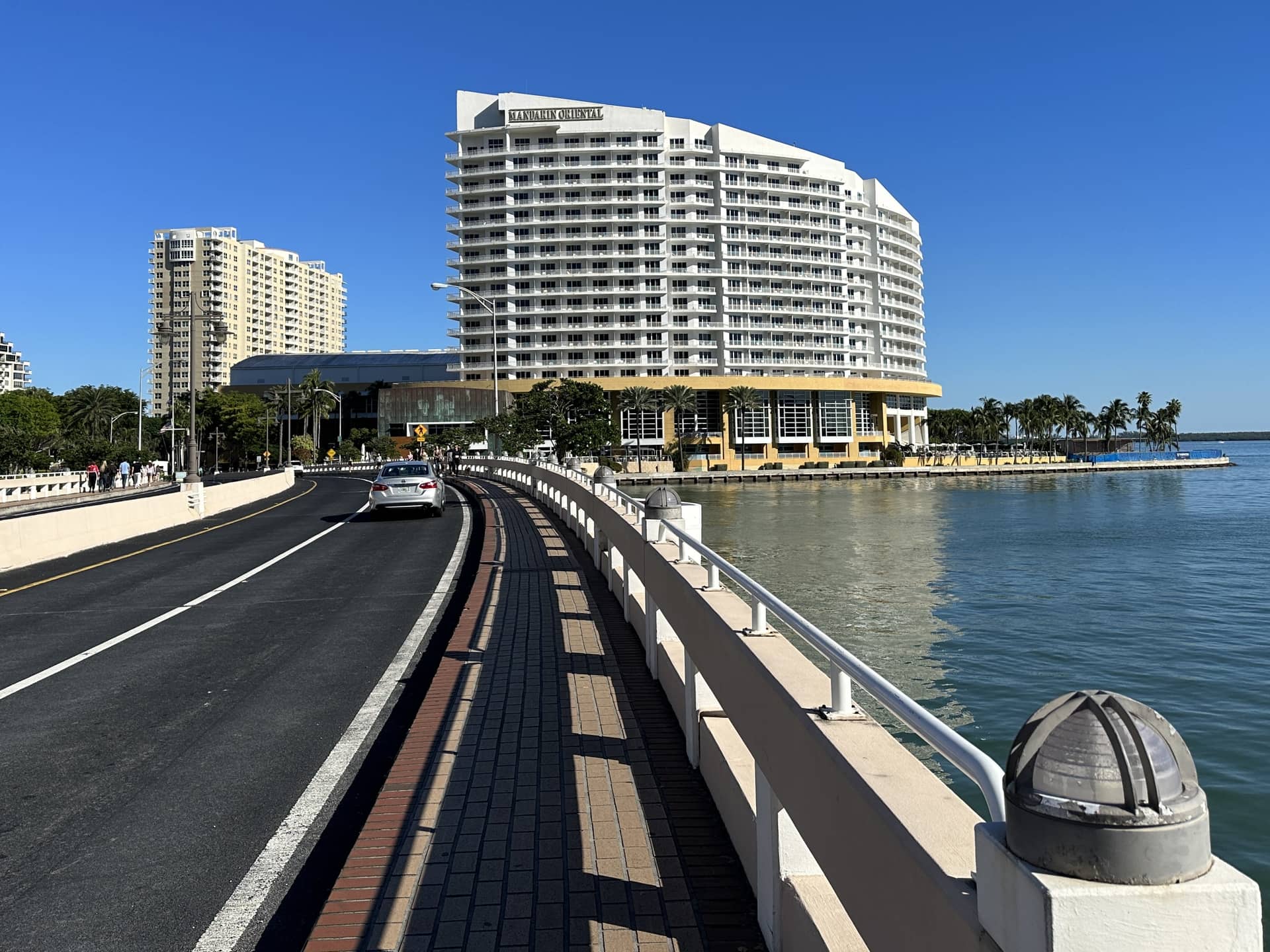
Swire Breaks Ground on Mandarin Oriental Towers on Brickell Key After Selling More Than $1.7 Billion in Condos
2h ago

Seminole Tribe Sues DraftKings and CEO Jason Robins in Broward, Calling Its Florida Prediction Markets an Illegal Sportsbook
2h ago
Jacksonville council members weigh relief for high JEA bills as utility says it isn't ready for a hyperscale data center
1d ago

Rays to open Westshore ballpark experience center in 2027 as Tampa stadium deal moves ahead
1d ago