Florida Issues Emergency Rule Against New World Screwworm After First US Detection in Texas
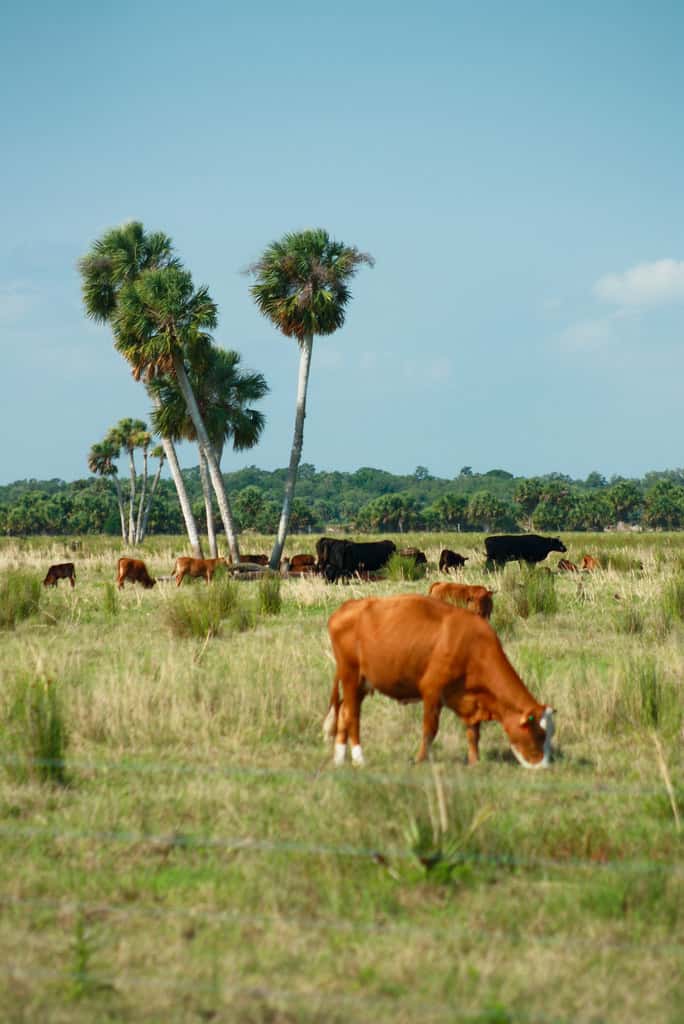
Florida is moving aggressively to keep a flesh-eating parasite out of the state after federal authorities confirmed the first domestic detection of the New World screwworm in the United States in 45 years. Agriculture Commissioner Wilton Simpson issued an emergency rule tightening the rules for importing warm-blooded animals into Florida, a defensive measure aimed at protecting the state's livestock, wildlife, and pets from a threat now confirmed in neighboring Texas.
What the emergency rule does
The emergency rule, issued by the Florida Department of Agriculture and Consumer Services, responds directly to the U.S. Department of Agriculture's confirmation of a New World screwworm detection in South Texas. The case marks the first native domestic detection of the parasite in the country in 45 years, ending a long stretch in which the pest had been kept out of the United States.
Under the rule, Florida imposed restrictions on the import of warm-blooded animals originating from designated infested zones. After an initial cutoff date, animals coming from an infested zone must obtain a state certificate of animal movement with a prior permission number, applied for in advance of arrival. The measures are designed to give state agriculture officials advance visibility and control over animals that could potentially carry the parasite.
The rule also tightened the documentation required for animals traveling to Florida from designated high-risk zones. Such animals must be accompanied by an official certificate of veterinary inspection, and the state shortened the validity period of that inspection to a narrow window after the examination date. The shortened window reduces the chance that an animal could become infested between inspection and arrival, closing a potential gap in the safeguards. An inspection certificate is only as useful as the period it covers, because an animal that passes a clean examination could in theory be exposed during a long journey if the certificate remained valid for too long. By compressing that window, the state ensures that the health check reflects the animal's condition as close as possible to the moment it enters Florida.
Taken together, the components of the emergency rule form a layered set of barriers rather than a single checkpoint. The requirement for advance permission gives officials a chance to evaluate a shipment before it ever reaches the state line, the certificate of veterinary inspection provides a documented health assessment, and the narrowed validity window keeps that assessment current. Each element is meant to catch what the others might miss, and the combination reflects a strategy of building redundancy into the system so that no single failure can let the parasite slip through.
What the New World screwworm is
The New World screwworm is a parasitic fly whose larvae feed on the living tissue of warm-blooded animals, a characteristic that sets it apart from most flies, which target dead tissue. The larvae burrow into wounds and feed on living flesh, causing serious, painful, and potentially fatal infestations in livestock, wildlife, pets, and, in rare cases, humans.
The pest was eradicated from the United States decades ago through a sustained campaign that included the release of sterile flies, a technique that disrupts the insect's reproduction and gradually collapses its population. The approach works because the female of the species typically mates once, so flooding an area with sterile males means that many matings produce no offspring, steadily shrinking each successive generation until the population can no longer sustain itself. That patient, biologically grounded method succeeded where chemical controls alone could not, and it became a model for pest eradication efforts around the world.
That success kept the screwworm out of the country for generations and protected the nation's livestock industry from a devastating threat. Older ranchers can recall a time when the parasite was a routine hazard of raising animals, and its elimination removed a persistent source of loss and suffering from American agriculture. The achievement was significant enough that maintaining a barrier against the parasite's return became a long-standing priority for animal health authorities. Its reappearance in Texas is therefore a significant and alarming development, one that revives a danger many in the industry had come to regard as a chapter of the past rather than a present concern.
The path back north has been gradual. Infestations have been spreading northward from Panama since 2023, working their way through Central America and Mexico before reaching the United States. The confirmed case in a South Texas animal represents the culmination of that northward march and the realization of a threat that agriculture officials across the southern states have been monitoring with growing concern.
Why Florida is especially exposed
Florida has particular reason to worry. The state's warm, humid climate and abundant animal populations create conditions in which the screwworm could thrive if it gained a foothold. The parasite favors warm environments, and Florida's year-round warmth offers little of the seasonal cold that can limit insect populations in northern states.
The stakes for Florida agriculture are considerable. The state has a substantial cattle industry, and ranching is an important part of the rural economy in many counties. Beyond domestic livestock, Florida's rich and varied wildlife, including deer and other warm-blooded animals, would be vulnerable to infestation, raising the prospect of harm to both the agricultural economy and the natural environment.
The threat is not limited to commercial agriculture. Pets and other domestic animals could also be affected, making the screwworm a concern for ordinary Florida households as well as ranchers. The breadth of the potential impact is why state officials treated the Texas detection as an urgent matter warranting emergency action rather than waiting for the parasite to draw closer.
Florida's geography compounds the concern. The state's extensive coastline, its busy ports, and the constant movement of people and animals in and out of its borders create many potential routes by which a pest could arrive. A parasite that thrives in warm climates finds in Florida an environment well suited to taking hold, and the density of both livestock and wildlife means that an introduced infestation could find ready hosts. These factors give the state an incentive to act preemptively rather than to assume that distance from Texas alone offers protection.
There is also an economic logic to early action. The cost of preventing an infestation through inspection and documentation requirements is modest compared with the potential losses an established outbreak could inflict on ranchers, the broader agricultural economy, and the natural ecosystems that support the state's wildlife. Officials weighing those costs against the danger of inaction have strong reason to favor strict precautions at the border over a more permissive posture that could prove far more expensive to correct later.
The national response
The Texas detection has triggered a broad response. The USDA has intensified its efforts as additional cases have been confirmed in Texas, and the federal government has historically relied on the sterile-fly technique and tight animal-movement controls to contain and eliminate outbreaks. The federal sterile-fly program remains the central tool in the effort to push the parasite back south.
Texas itself has escalated its response, with the governor there issuing a disaster proclamation in connection with the screwworm threat. The coordinated activity across federal and state governments reflects the seriousness with which authorities view the parasite's return and the recognition that containing it requires action across multiple states and the federal apparatus.
Florida's emergency rule fits into that broader national effort as a preventive layer. By restricting and scrutinizing animal movement from infested and high-risk zones, the state aims to reduce the chance that the parasite arrives in Florida through transported animals, complementing the federal containment work happening closer to the detection site in Texas. The relationship between state and federal action is mutually reinforcing: federal authorities focus on suppressing and reversing the parasite's spread at and beyond the point of detection, while individual states erect their own safeguards to keep it from establishing new footholds far from the front line. A breach in any one jurisdiction could undermine the wider effort, which is part of why states with significant livestock industries have an interest in acting quickly even when the confirmed cases are not within their own borders.
What it means for Floridians
For Florida ranchers and livestock owners, the emergency rule means new requirements and heightened vigilance when bringing animals into the state from affected areas. Compliance with the certificate and inspection requirements is essential, and producers will need to factor the advance permission process into any plans to import warm-blooded animals from designated zones.
For pet owners and the general public, the practical advice centers on awareness and prompt veterinary attention. Animals with untreated wounds are the most vulnerable to infestation, so keeping wounds clean and seeking veterinary care for unusual sores or signs of infestation is the kind of precaution that helps protect individual animals. Early detection is critical to limiting the spread should the parasite reach Florida.
The wider message is that Florida is acting before the threat materializes within its borders rather than after. The emergency rule is a preventive measure, and its goal is to keep the screwworm out entirely. Whether it succeeds will depend in part on the broader regional effort to contain the parasite in Texas and to reverse its northward spread.
What's next
Florida agriculture officials will monitor the situation in Texas and adjust the state's measures as conditions warrant, with the emergency rule providing a framework that can be tightened or extended if the threat grows. The designation of infested and high-risk zones is likely to evolve as the federal government tracks the parasite's spread.
The broader fight will play out across the southern United States as federal and state authorities work to contain and ultimately eliminate the screwworm using the proven combination of sterile-fly releases and animal-movement controls. For Florida, the priority is prevention, and the emergency rule represents the state's opening move to shield its livestock, wildlife, and pets from a parasite whose return to American soil has put the entire region on alert.
Spotted an issue with this article?
Have something to say about this story?
Write us a letterComments
No comments yet. Be the first to weigh in.
Related Coverage

Second Kennedy Space Center Contractor Plans Layoffs as NASA Brings Work In-House
3h ago

RFK Jr. Brings Medical School Nutrition Push to Orange Park as UF, LMU and Jacksonville Programs Sign On
3h ago

Nine Florida HIV Prevention Groups Lose Direct CDC Grants as Federal Money Shifts to State Health Department
4h ago

Customs Rule That Could Cut Off Mailed Prescriptions From Canada for Florida Seniors Delayed to Jan. 20
7h ago