Florida Lands 39-Day Atlantic Red Snapper Season After Federal Management Win
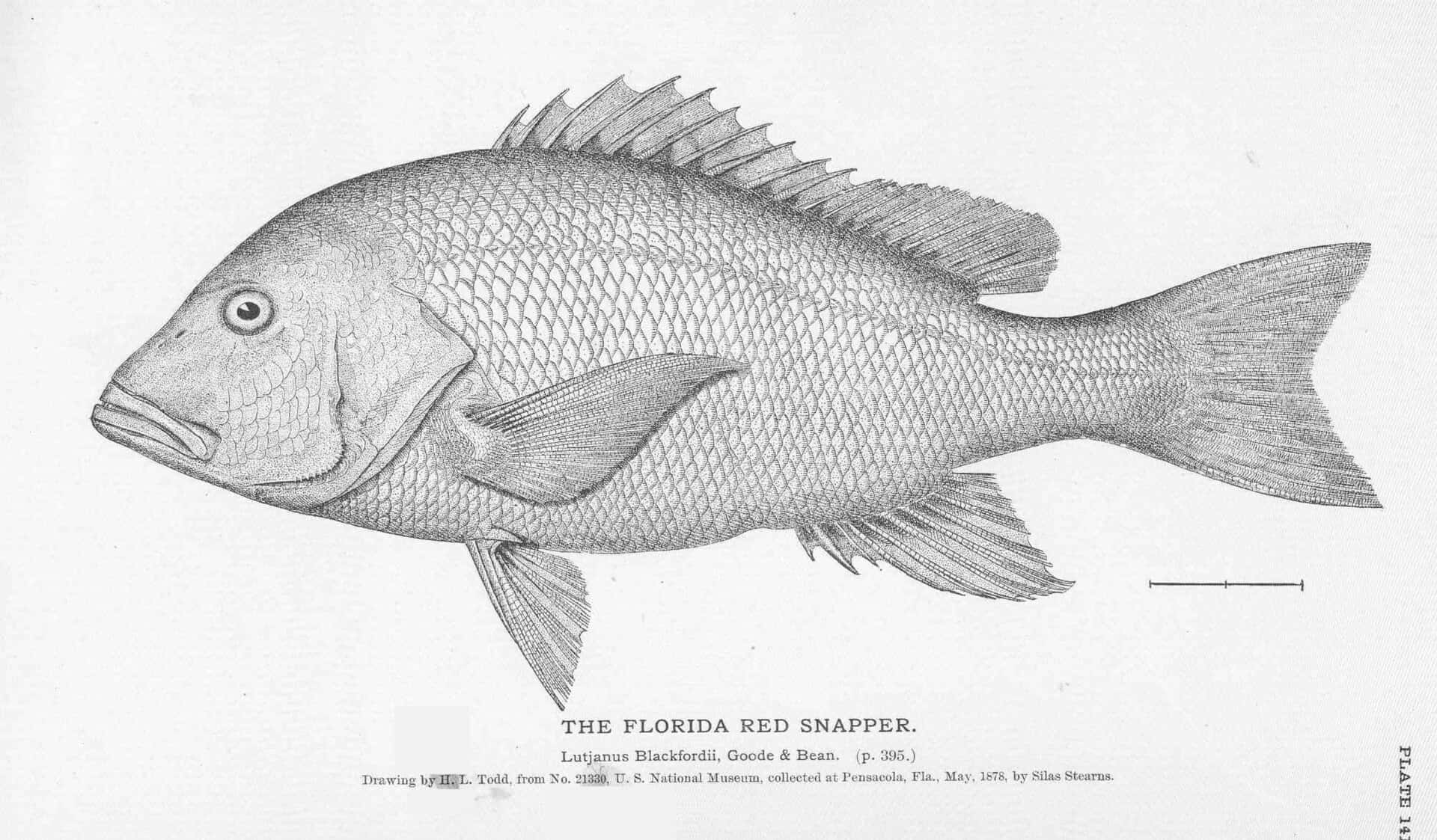
Florida anglers are getting a vastly longer shot at one of the state's most prized catches this year. Governor Ron DeSantis announced an expanded 2026 Atlantic red snapper season of 39 days, a dramatic increase from the two-day federal season allowed in 2025, after the state secured approval for greater control over how the fishery is managed off Florida's Atlantic coast.
The expansion, which the governor's office described as an increase of more than 1,800 percent over the prior year, follows federal approval of an experimental fishing permit that allows Florida to take a larger role in managing the Atlantic red snapper stock. For the state's recreational fishing community, the change represents a significant victory after years of frustration with severely limited federal seasons.
What changed
For years, anglers fishing for red snapper in Atlantic waters off Florida have contended with extraordinarily short federal seasons, sometimes lasting just a couple of days. Those tight windows reflected federal stock assessments and management decisions that frustrated many in the fishing community, who argued that the snapper population was healthier and more abundant than the limited seasons suggested.
With the approval of the experimental fishing permit, Florida will implement a 39-day Atlantic red snapper season in 2026. The state framed the change as a recognition of its capacity to manage the fishery in a way that balances conservation with access for the anglers, charter operators, and coastal businesses that depend on it.
The shift toward greater state management mirrors a broader trend in Florida's approach to fisheries, where state officials have sought more authority to set seasons and rules tailored to local conditions. The governor's office applauded the federal approval as a win for Florida's anglers and for the principle of state-level management.
The Florida context
Fishing is woven into Florida's identity and economy. The state markets itself as a premier destination for recreational anglers, and saltwater fishing supports a substantial industry of charter captains, bait and tackle shops, marinas, boat dealers, and coastal tourism businesses. Red snapper, prized for both sport and table, ranks among the most sought-after species along the Atlantic coast.
The brevity of recent federal seasons had become a source of economic and political frustration in Florida's coastal communities. A season of only a day or two leaves little room for weather delays and sharply limits the revenue that fishing-dependent businesses can capture. A 39-day window, by contrast, offers far more opportunity for anglers to plan trips and for businesses to benefit.
The debate over red snapper management has long pitted federal stock assessments against the on-the-water observations of anglers who report seeing abundant fish. State officials have argued that more localized management can better reflect actual conditions while still protecting the long-term health of the stock.
Balancing access and conservation
Any expansion of a fishing season raises questions about sustainability, and the structure of the experimental permit is designed to keep harvest within limits intended to protect the population. State management does not mean unlimited fishing; rather, it shifts authority over how the allowable catch is distributed across the season to state officials who set the rules.
Proponents of state management contend that Florida has both the expertise and the incentive to manage the fishery responsibly, since the state's fishing economy depends on a healthy, sustainable stock for the long term. They argue that a longer, well-managed season can deliver economic benefits without jeopardizing the resource.
Conservation considerations remain central to the discussion. The experimental nature of the permit suggests ongoing monitoring of how the expanded season affects the stock, with data from the 2026 season likely to inform future management decisions. The outcome could shape whether the expanded access becomes a durable feature of Florida's fishing calendar.
What it means for Floridians
For the state's recreational anglers, the expanded season is straightforward good news: far more days on the water with a chance to land a coveted fish. The change is especially meaningful for the many Floridians for whom fishing is a cherished pastime and a connection to the state's coastal way of life.
For coastal businesses, the longer season promises a welcome economic boost. Charter operators can book more trips, and the broader ecosystem of fishing-related commerce, from fuel sales to lodging, stands to benefit from increased activity over a 39-day window rather than a two-day sprint.
The expansion also resonates as a political and policy statement about state versus federal control of natural resources. For Floridians who have chafed at federal restrictions, the move toward state management of the Atlantic red snapper fishery represents a tangible shift in who sets the rules for one of the state's signature outdoor pursuits.
The science behind the seasons
At the heart of the long-running dispute over red snapper is a disagreement about the health of the fish population. Federal managers have historically set short seasons based on stock assessments designed to prevent overfishing and rebuild the population from depleted levels seen in earlier decades. Those assessments factor in catch data, scientific surveys, and models projecting how harvest affects the stock over time.
Many anglers, charter captains, and state officials have argued that the federal assessments understate the true abundance of red snapper, pointing to the large numbers of fish they encounter on the water. That gap between the official numbers and on-the-water observation has fueled years of frustration and driven the push for management approaches that anglers believe better reflect reality.
State management does not abandon science; rather, it shifts more of the decision-making about how to distribute the allowable harvest to state officials who may incorporate additional data and local knowledge. The experimental fishing permit framework allows for the collection of data during the expanded season, which can refine future assessments and management decisions.
The broader debate touches on how fisheries science is conducted and who gets to interpret it, questions that extend well beyond red snapper. Florida's experience with the species has become a prominent example in the national conversation about the balance between conservation and access in managing public marine resources.
The economic stakes for coastal communities
Recreational saltwater fishing is a substantial economic driver in Florida, supporting a wide network of businesses from charter operations and marinas to tackle shops, restaurants, and lodging. The state's identity as a fishing destination draws anglers from across the country, and the health of that industry depends in part on the availability of prized species like red snapper.
The brevity of recent federal seasons had real economic consequences for communities along Florida's Atlantic coast. A season of only a day or two left charter captains with little opportunity to book trips and limited the spending that flows through coastal economies during fishing season. Weather on those few days could effectively wipe out the season entirely.
A 39-day window changes that calculus dramatically, giving businesses far more opportunity to capture revenue and giving anglers the flexibility to plan around weather and schedules. The economic boost extends beyond the boats themselves to the broader ecosystem of commerce that fishing activity supports in coastal towns.
The longer season also enhances Florida's appeal as a fishing destination, potentially drawing more visitors and reinforcing the state's brand. For communities that depend on fishing tourism, the expanded access represents a meaningful improvement in their economic prospects, underscoring why the issue has carried such political weight.
What's next
Anglers will be watching for the specific dates of the 39-day season and the rules governing bag limits and size requirements, details that determine how the expanded access plays out in practice. The state's fish and wildlife managers typically publish those specifics ahead of the season.
The 2026 season will also serve as a test of the state management approach. Data gathered during the expanded window is likely to influence whether Florida can sustain or further refine the longer season in future years, and whether the model might extend to other fisheries.
For now, Florida's Atlantic anglers can look forward to their most generous red snapper season in years, a change that underscores the economic and cultural importance of fishing to the state and the continuing push for Florida to chart its own course in managing its coastal resources.
The success or failure of the experimental approach could also influence fisheries management nationally. As coastal states grapple with similar tensions between conservation mandates and the demands of recreational and commercial fishing communities, Florida's experience with state management of Atlantic red snapper may serve as a reference point. A well-managed expanded season that protects the stock while improving access would bolster the case for greater state involvement, while problems could reinforce arguments for federal control.
For Florida's anglers and the coastal economy that depends on them, the immediate reality is a dramatically improved season after years of frustration. The expanded access reflects both the political weight of the state's fishing community and the broader push to align management with the conditions anglers observe on the water. As the 2026 season unfolds, the data it generates will help determine whether this year marks a lasting change or a one-time experiment in how one of Florida's signature fisheries is governed.
Anglers planning to take advantage of the expanded season are encouraged to familiarize themselves with the specific rules that will govern it, including bag limits, size requirements, and the exact dates, which the state's fish and wildlife managers typically announce ahead of time. Following those rules is essential not only to comply with the law but also to support the conservation goals that underpin the expanded access. The longer season represents a measure of trust placed in the angling community to fish responsibly, and adherence to the regulations will help demonstrate that state management can deliver both access and sustainability. For a fishery that has been the subject of years of contention, the 2026 season offers a chance to show that a balance between opportunity and conservation is achievable, with implications that could extend to how Florida manages its coastal resources for years to come.
Spotted an issue with this article?
Have something to say about this story?
Write a letter to the editor


