Florida Manatee Deaths Drop Sharply in 2026 After Years of Record Mortality
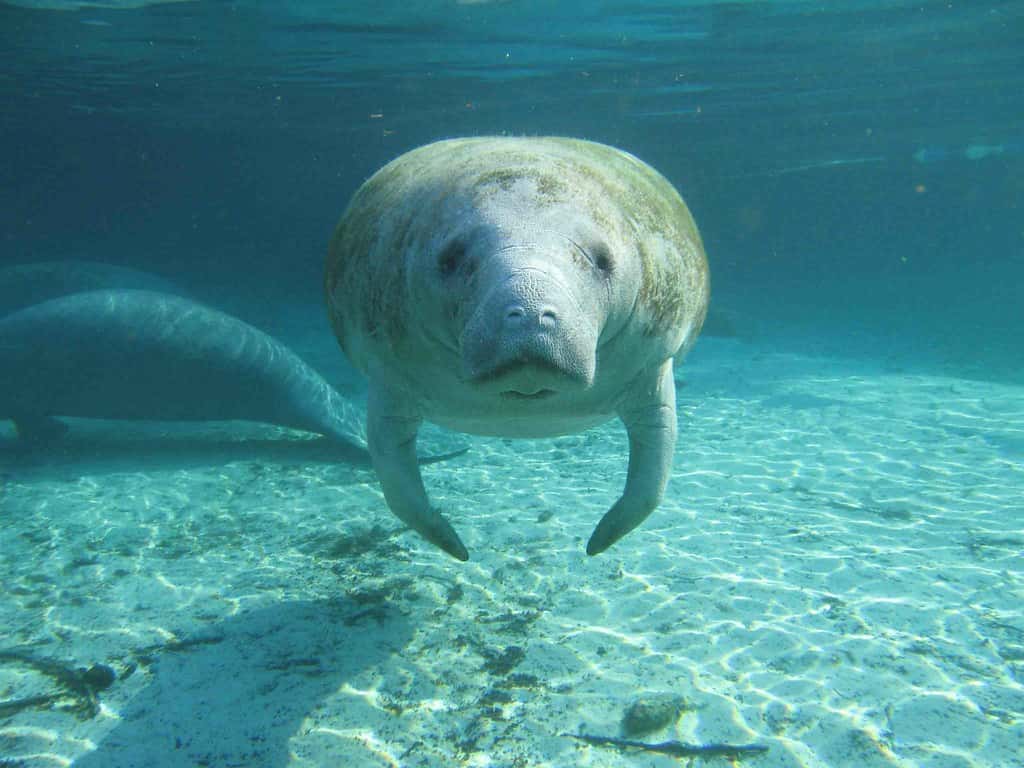
Florida's beloved manatees are dying at a notably slower rate in 2026 than in recent years, according to state wildlife data, offering a measure of cautious optimism for a species that has endured devastating losses tied to starvation, habitat decline, and watercraft collisions. Through late June, statewide manatee mortality stood well below the figures recorded over the same period a year earlier, even as conservation officials warned that boat strikes continue to claim animals as summer recreation ramps up.
The improvement comes after a stretch of years in which manatee deaths reached alarming levels, prompting emergency interventions and renewed scrutiny of the health of Florida's coastal and inland waters. While a single favorable year cannot by itself reverse the long-term pressures on the species, the lower 2026 count has given biologists and advocates a reason to hope that some of the conditions driving past die-offs may be easing.
What the data shows
Statewide, roughly 330 manatee deaths had been documented through late June 2026, down from about 430 during the same period in 2025. The decline of roughly 100 animals represents a meaningful improvement for a population that has been under severe stress, and it suggests that conditions contributing to past die-offs may be easing, at least for now.
The improvement is visible at the county level as well. In Citrus County, home to one of the largest concentrations of wintering manatees in the state, documented deaths through late June fell to the mid-20s, down from the mid-30s at the same point in 2025. The county had set an all-time record for manatee deaths in 2025, making the lower 2026 figures a welcome reversal.
Wildlife officials track manatee mortality closely because the figures serve as an indicator of the broader health of Florida's aquatic ecosystems. Causes of death range from cold stress and disease to boat collisions and, in recent years, starvation linked to the loss of seagrass beds, the primary food source for the slow-moving marine mammals.
Because the data are reported as cumulative counts through a point in the year, the comparison between 2026 and 2025 captures the same seasonal window in each year, which makes the decline more meaningful than a simple snapshot. Mortality patterns shift with the seasons, peaking in colder months and during periods of habitat stress, so tracking the running total against the prior year gives officials a way to gauge whether conditions are genuinely improving or merely shifting in timing.
Why the numbers improved
The decline in deaths follows a period of intense concern over manatee survival. In recent years, large numbers of manatees starved in parts of the Indian River Lagoon on Florida's Atlantic coast after pollution-driven algae blooms decimated the seagrass on which they depend. The crisis prompted an extraordinary intervention in which biologists supplementally fed wild manatees, a step rarely taken with a wild population.
While the exact reasons for the 2026 improvement involve multiple factors, conservationists point to a combination of milder conditions, ongoing habitat recovery efforts, and the cumulative effect of measures aimed at protecting the animals. Seagrass restoration and water quality initiatives, though slow to yield results, are part of a long-term strategy to rebuild the food base manatees need.
Officials caution against declaring victory. Manatee populations and mortality can fluctuate year to year based on weather, water conditions, and other variables. A single favorable year does not erase the structural threats facing the species, particularly the degradation of seagrass habitat that drove the earlier crisis.
The supplemental feeding effort during the starvation crisis underscored just how dire conditions had become. Feeding a wild population is not a routine conservation tool, and the decision to do so reflected the urgency of a situation in which animals were dying because their habitat could no longer sustain them. That context helps explain why officials remain cautious now, viewing the 2026 decline as a hopeful data point rather than proof that the underlying problems have been solved.
How we got here
The path to the current moment runs through years of mounting pressure on Florida's waterways. As development expanded and nutrient pollution accumulated, the algae blooms that block sunlight and smother seagrass grew more frequent and more severe in some areas. The loss of seagrass removed the foundation of the manatee's diet, and the consequences became starkly visible in the elevated death tolls of recent years.
The record mortality in Citrus County in 2025 stands as a marker of how serious the situation had become. As a wintering ground where large numbers of manatees congregate, the county is a bellwether for the species, and an all-time high in deaths there signaled that even some of the state's most important manatee habitats were under strain. The fact that 2026 counts there have fallen back into the mid-20s is precisely why the year's figures have drawn attention.
Against that backdrop, the statewide drop of roughly 100 animals through late June represents a notable shift in direction. It does not undo the losses of prior years, and it does not by itself restore the seagrass beds that were lost. But it does suggest that the trajectory, at least for this year, has bent away from the worst-case pattern that conservationists had feared was becoming entrenched.
Boat strikes remain a stubborn threat
Even as overall deaths decline, watercraft collisions persist as a leading and preventable cause of manatee mortality. In Citrus County, several deaths this year have been attributed to boat strikes, and wildlife officials note that the threat intensifies during the warmer months when recreational boating activity surges.
The state's wildlife agency has urged boaters to observe posted speed zones, which are designed to give the slow-moving animals time to avoid oncoming vessels. Manatees often rest or feed near the surface in shallow waters, making them vulnerable to propellers and hulls, and many surviving animals bear the scars of past encounters.
Summer scallop season and increased boating traffic add to the risk, prompting renewed reminders from officials that following speed regulations can directly reduce the toll. Residents and visitors who encounter sick, injured, orphaned, or harassed manatees are encouraged to report them to the state's wildlife alert hotline so that rescue teams can respond.
The persistence of boat strikes even in a year of falling overall mortality highlights an important distinction. Unlike habitat-driven starvation, which depends on broad environmental conditions, collisions are a direct result of human activity on the water and can be reduced through individual behavior. That makes speed zone compliance one of the most concrete actions the public can take to protect the species, independent of the slower work of habitat restoration.
What it means for Florida
The manatee is more than a wildlife conservation concern in Florida; it is a cultural icon and an indicator species whose fortunes reflect the health of the state's waters. Manatees draw ecotourists to springs and coastal areas, supporting local economies in places like Crystal River, and their plight has galvanized public attention to issues of water quality and habitat protection.
The species is classified as threatened, and its status has been the subject of debate among scientists, advocates, and regulators. The recent die-offs prompted renewed calls for stronger protections, and the trajectory of manatee mortality factors into discussions about how the animals should be managed and safeguarded going forward.
For the broader public, the lower death toll in 2026 is encouraging, but conservationists emphasize that sustained recovery depends on addressing the underlying causes, especially the restoration of seagrass and improvements in water quality across the lagoons, rivers, and coastal waters manatees inhabit.
The economic dimension reinforces the conservation stakes. Communities that have built tourism around manatee viewing have a direct interest in the health of the population, and the animals' role as an indicator species means that what is good for manatees tends to reflect broader gains in water quality that benefit fisheries, recreation, and coastal ecosystems as a whole. In that sense, the manatee's fortunes are intertwined with the well-being of the waters that define much of Florida life.
The water quality connection
The earlier starvation crisis underscored the link between manatee survival and the condition of Florida's waterways. Nutrient pollution from sources including stormwater runoff, agriculture, and wastewater has fueled algae blooms that block sunlight and kill seagrass. Without healthy seagrass beds, manatees lose their primary food supply, with deadly consequences.
Efforts to improve water quality and replant seagrass are central to the long-term outlook for the species. These initiatives are slow and resource-intensive, and their success depends on reducing the pollution that triggers harmful blooms in the first place. State and local programs aimed at upgrading wastewater infrastructure and managing runoff are part of that effort.
The manatee's fate, in other words, is bound up with broader environmental policy choices that affect water quality statewide. Progress on those fronts could determine whether the 2026 improvement marks the beginning of a durable recovery or a temporary reprieve.
The challenge is that the causes of seagrass loss are diffuse and accumulate over time, which means the remedies must as well. Reducing the nutrient load entering Florida's waters requires sustained action across many sources at once, and the benefits of that work tend to materialize gradually as habitats slowly recover. For a species that depends on those habitats to feed, the pace of that recovery is a matter of survival.
What's next
Wildlife biologists will continue monitoring manatee mortality through the remainder of the year, watching for any reversal of the favorable trend as seasonal conditions change. Cold winter weather, which can cause cold stress in manatees, will be a key variable in the months ahead.
Conservation organizations and state agencies are expected to maintain their focus on habitat restoration and water quality, the factors most likely to influence the species' long-term survival. Public cooperation, particularly among boaters, remains essential to reducing preventable deaths.
For now, the lower 2026 death toll offers Floridians a hopeful sign that one of the state's most cherished animals may be finding firmer footing, even as the work of securing its future continues.
Whether 2026 proves to be a turning point or a single bright spot in a difficult era will depend on factors that extend well beyond this year's data. The seasonal test of winter, the slow recovery of seagrass, and the continued vigilance of boaters will all shape the outcome. What the late-June figures make clear is that the trend, for the moment, is moving in the direction conservationists have long hoped to see.
Spotted an issue with this article?
Have something to say about this story?
Write a letter to the editor