Florida Property Insurance Market Rebounds: Citizens Cuts Rates and Sheds Policies in 2026
A Market in Recovery After Years of Crisis
Florida's property insurance market, long one of the most troubled in the country, is showing measurable signs of stabilization and recovery heading into 2026. For years, the state struggled with a cycle of insurer insolvencies, skyrocketing premiums, and a shrinking pool of private carriers willing to write policies in a state with substantial hurricane exposure and an outsized volume of litigation. That dynamic pushed hundreds of thousands of homeowners into Citizens Property Insurance Corporation, the state-backed insurer of last resort, creating a concentration of risk in a single government entity that alarmed regulators and legislators alike.
The stabilization now underway reflects the cumulative effect of legislative changes, regulatory actions, and market responses that have unfolded over the past several years. New insurance companies are writing policies in the state, long-term policyholders are being transferred out of Citizens and into the private market, and rate trends are moving in a direction that provides relief to homeowners who have faced steep annual increases in recent memory. The recovery is not complete, and significant challenges remain, but the direction of travel in 2026 represents a meaningful departure from the crisis conditions of 2022 and 2023.
State officials have pointed to the combination of litigation reform and proactive depopulation of Citizens as the central drivers of the improvement. Insurers that had exited the state or declined to expand their Florida footprint began reassessing their positions after the legal environment changed, and the arrival of new competitors has introduced pricing discipline that benefits consumers. The evidence accumulated through 2025 and into 2026 suggests that the reforms are producing the intended market response, though observers caution that the recovery remains sensitive to hurricane activity and to the broader national reinsurance environment.
Citizens Cuts Rates for Homeowners
Citizens Property Insurance Corporation announced a rate reduction averaging 8.8% for homeowners multiperil policyholders in 2026, a notable reversal from the years of consistent rate increases that preceded the market's reform period. The rate cut applies to homeowners who carry Citizens policies covering both wind and non-wind perils, which represents the most common type of residential coverage for Florida homeowners who do not live in coastal areas served by wind-only products.
The rate reduction was not uniform across all Citizens policy types. All Citizens Personal Lines policyholders received at least a 2% rate cut, reflecting the corporation's effort to distribute the benefits of the improved claims and litigation environment broadly across its remaining book of business. Wind-only policies, which are written for properties in coastal zones where private insurers have been most reluctant to compete, saw an average rate reduction of 5.5%. While wind-only policyholders face a distinct risk profile, the rate relief acknowledges that improved loss trends and reduced litigation costs are benefiting that segment of the market as well.
The rate cuts mark a significant moment for Citizens, which had been required under Florida law to gradually move its rates toward actuarially sound levels, a process that had produced painful premium increases for policyholders in prior years. The improvement in loss trends and litigation costs has now allowed the corporation to reverse course and offer meaningful reductions, which will provide direct financial relief to the more than 336,000 policyholders who remain on the Citizens book as of 2026. For individual homeowners, the specific dollar impact will vary based on policy type, coverage amount, and location, but the directional shift is broadly positive.
Policy Count Falls 76% From Peak
Citizens' policy count has declined dramatically from its peak, falling to approximately 336,000 policies in 2026. That figure represents a reduction of roughly 76% from the October 2023 peak of approximately 1.41 million policies, when Citizens had become not just the insurer of last resort but effectively the largest property insurer in the state. The scale of that peak concentration represented a significant systemic risk, because a major hurricane hitting a heavily Citizens-insured area could have triggered an assessment on all Florida policyholders, including those with private insurers, to cover losses.
The reduction in the Citizens policy count is the direct result of the corporation's depopulation program, which facilitated the transfer of more than 546,000 policies to private insurers during 2025 alone. Depopulation works by allowing private insurers to offer coverage to Citizens policyholders at rates that may differ from what Citizens charges. Policyholders who receive an offer from a private insurer through the program and decline it may face consequences under state law, creating an incentive for participation. The scale of transfers completed in 2025 reflects the willingness of private carriers to absorb Citizens policies as the market environment has improved.
The fact that Citizens is no longer the largest property insurer in Florida is a development that state officials and insurance regulators have celebrated as a meaningful milestone. At the peak, Citizens carried risks that no private company would touch, and its dominance of the market was a sign of fundamental dysfunction. The transfer of more than a million policies back to the private market over a two-year period demonstrates that private capital has returned to Florida in meaningful volume, though the concentration of that capital in newer and smaller carriers means that the market's resilience to a major storm has not yet been fully tested.
Litigation Reform Credited for Market Entry
The legislative changes enacted by the Florida Legislature in 2022 and 2023 to reduce what legislators described as frivolous property insurance litigation are widely credited by market observers as the foundational driver of the recovery. Prior to those reforms, Florida accounted for a disproportionate share of national property insurance litigation, despite representing a much smaller share of total policies nationwide. Plaintiffs' attorneys had developed strategies that generated high volumes of lawsuits over disputed claims, and the legal environment made Florida a uniquely costly state for insurers to operate in regardless of hurricane activity.
The reforms addressed several practices that had been identified as particularly costly, including changes to attorney fee arrangements that had incentivized litigation and modifications to the assignment of benefits framework that had allowed contractors to sue insurers directly on behalf of homeowners. The changes were controversial and were opposed by consumer advocates and plaintiffs' attorneys who argued that they would leave policyholders without adequate legal recourse when insurers denied legitimate claims. Supporters countered that the volume of litigation had driven premiums to levels that were pricing Florida homeowners out of the insurance market entirely.
The market response to the reforms has been more robust than many observers predicted. Since the litigation changes took effect, 17 new insurance companies have entered the Florida market, and several carriers that had retreated from the state have begun writing new policies. The arrival of new competitors has increased the number of options available to Florida homeowners and created price competition that has helped moderate premium trends. Regulators have noted that the new entrants are being carefully monitored to ensure they have adequate capital and reinsurance arrangements to handle a significant loss event.
17 New Insurers Enter Florida
The entry of 17 new insurance companies into the Florida market since the litigation reforms were enacted represents a meaningful expansion of private market capacity that did not exist during the peak of the crisis. The new entrants include a mix of startup insurers specifically organized to write Florida homeowners business, regional carriers expanding their geographic footprints, and some national companies testing renewed exposure in the state. Each new insurer that enters the market and successfully writes policies adds to the overall capacity available to consumers and reduces the proportion of the market that depends on Citizens.
Regulators at the Florida Office of Insurance Regulation have required new entrants to demonstrate financial strength, adequate reinsurance coverage, and viable business plans before approving their applications to write property insurance in the state. The vetting process is designed to prevent a repeat of the wave of insurer insolvencies that contributed to the market crisis, when undercapitalized carriers failed in the aftermath of active storm seasons and left policyholders scrambling to find new coverage. The 17 companies that have cleared the regulatory process are seen as representing a more durable base of new capacity than the carriers that entered and subsequently failed in prior years.
Consumer advocates have urged caution in interpreting the entry of new insurers as a complete resolution of the market's problems. Many of the new carriers are writing relatively small books of business, and their financial resilience to a major hurricane remains an open question. Critics of the litigation reform have also continued to argue that the changes have made it harder for policyholders with legitimate claims to recover the full value of their losses. Those concerns ensure that the insurance market will remain a subject of active policy debate even as the headline indicators move in a positive direction.
Auto Insurance Refunds and Broader Relief
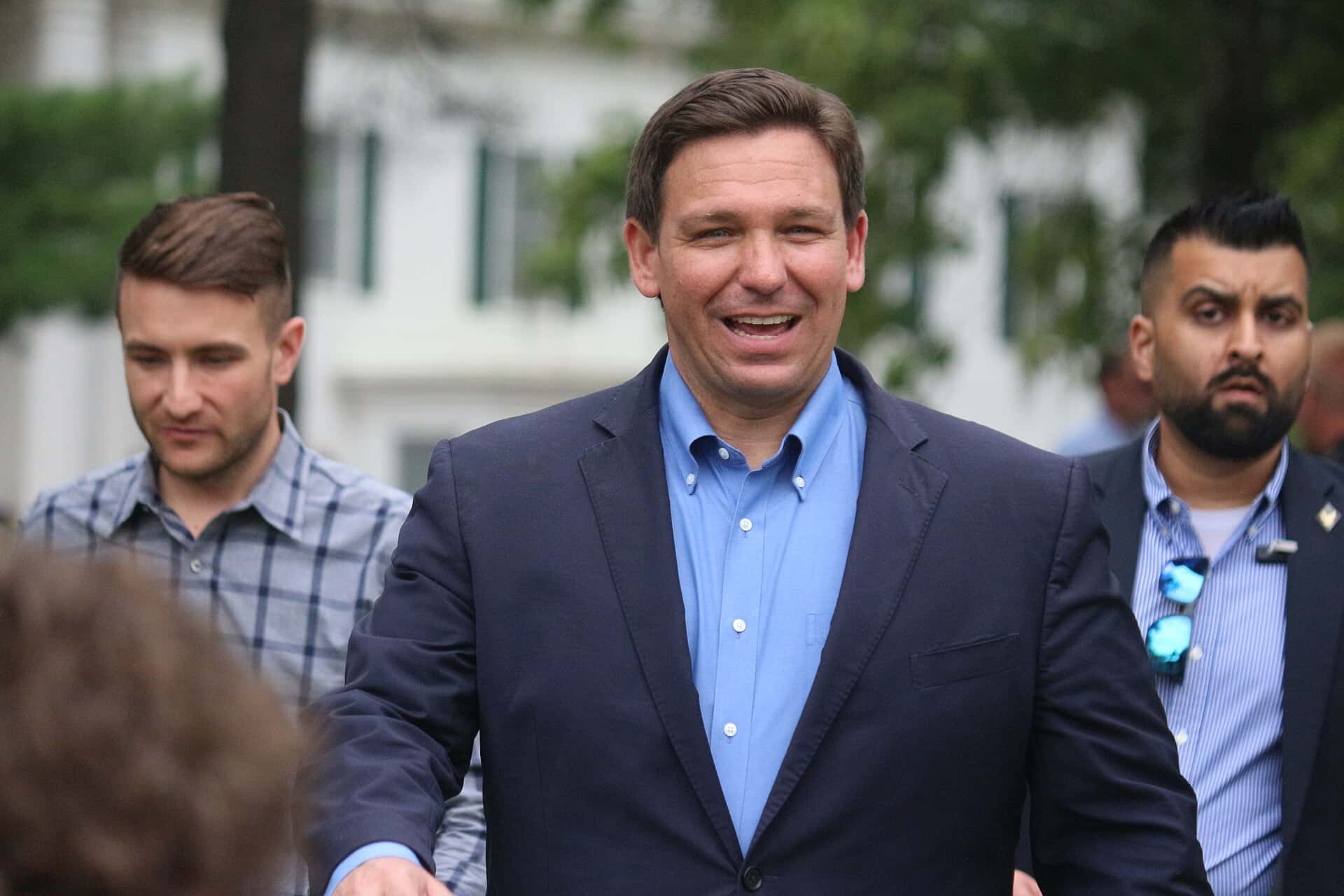
Governor Ron DeSantis announced in 2026 that improvements in Florida's insurance market had generated approximately $1 billion in auto insurance refunds, crediting the broader reform environment with producing savings across multiple lines of insurance. The auto insurance refunds represent a tangible benefit to Florida drivers and reflect the governor's effort to frame the insurance reforms as producing widespread consumer benefits rather than being narrowly focused on the property insurance sector.
The connection between property and auto insurance markets reflects the broader dynamics of the insurance industry in Florida. When litigation costs are high across the state's legal environment, they tend to affect multiple lines of coverage, as the same practices and legal frameworks that drove up property claims costs also influenced auto liability outcomes. The reforms enacted by the Legislature were intended to address those systemic costs, and the auto insurance refunds are being cited as evidence that the benefits have spread beyond homeowners policies to affect other consumers.
The governor's announcement of the refund figure was timed to reinforce the administration's narrative around the success of the reform agenda. Critics noted that the $1 billion figure encompasses refunds across a large and complex insurance market and may reflect multiple factors beyond the litigation reforms alone. Nevertheless, the scale of the figure resonated with Florida consumers who have faced rising costs across multiple insurance categories in recent years and are looking for confirmation that conditions are improving.
NFIP Reauthorization Looms as a Critical Deadline
Against the backdrop of private market recovery, a separate and significant challenge looms for Florida property owners in the form of the National Flood Insurance Program's scheduled expiration on September 30, 2026. The NFIP, which is administered by the Federal Emergency Management Agency, provides flood insurance coverage to millions of American property owners, particularly in coastal and low-lying areas that private insurers have been unwilling to cover for flood risk. Florida policyholders hold approximately 35% of all NFIP policies nationwide, making the reauthorization deadline critically important for the state's insurance ecosystem.
A lapse in NFIP authorization would create immediate uncertainty for property transactions in flood zones, because federally backed mortgage lenders generally require flood insurance as a condition of financing for properties located in Special Flood Hazard Areas. Without a functioning NFIP, closings on homes in flood zones could stall, and existing policyholders would face uncertainty about the continuity of their coverage. Florida's real estate market, which involves a significant volume of transactions in coastal and flood-prone areas, would be particularly vulnerable to the disruption a lapse would create.
Congress has reauthorized the NFIP multiple times over the years, often through short-term extensions rather than long-term reform legislation. The program carries a substantial debt accumulated from major flood events, and legislators have struggled to agree on reforms that would put it on a more financially sustainable footing while keeping premiums affordable for property owners in high-risk areas. Florida's Congressional delegation has consistently advocated for reauthorization and has raised concerns about the adequacy of flood insurance pricing reforms that would significantly increase premiums for Florida policyholders. The September 30 deadline is expected to be a major focus of Congressional attention in the late summer and fall of 2026.
Looking Ahead: A Stabilized but Watchful Market
The state of Florida's property insurance market in 2026 is meaningfully better than it was two years ago, and the data on Citizens' policy count, new market entrants, and rate trends all support that assessment. Homeowners who were previously unable to find private market coverage at any price are now receiving competitive offers, and the insurer of last resort is no longer carrying a burden so large that a single storm could produce an assessment affecting every Florida policyholder.
The improvements are real, but market participants and regulators are careful to note that the recovery has not been tested by a major hurricane. Florida's geographic exposure to tropical weather systems means that the financial resilience of the newly entered insurers will only be definitively demonstrated if and when a significant storm makes landfall. The reinsurance market, which backstops primary insurers against catastrophic losses, remains a key variable in the sustainability of the recovery, and reinsurance pricing trends in 2027 and beyond will influence whether the current favorable environment can be maintained.
For Florida homeowners, the practical message from 2026 is that shopping for property insurance coverage has become a more productive exercise than it was during the worst years of the crisis. The combination of rate reductions at Citizens, expanded private market options, and a litigation environment that has moderated claims costs represents a meaningful improvement in the conditions facing property owners across the state. The challenge now is to sustain and deepen those gains through sound regulation, continued depopulation of Citizens, and Congressional action on NFIP reauthorization before the September 30 deadline arrives.
Spotted an issue with this article?
Have something to say about this story?
Write us a letterComments
No comments yet. Be the first to weigh in.
Related Coverage

Alonzo Mourning's Courtside II Opens in Overtown, Adding 120 Affordable Apartments With Rents From $683
1d ago

Bern's Steak House, South Howard Businesses Sue Tampa to Halt $100 Million Flood Relief Project
2d ago
Swire Breaks Ground on Mandarin Oriental Towers on Brickell Key After Selling More Than $1.7 Billion in Condos
3d ago

Seminole Tribe Sues DraftKings and CEO Jason Robins in Broward, Calling Its Florida Prediction Markets an Illegal Sportsbook
3d ago