Florida's Month-Long Back-to-School Sales Tax Holiday Begins, Waiving Tax on Clothes, Supplies and Computers
Florida's annual back-to-school sales tax holiday opened Monday and will run for a full month through Aug. 20, giving families, students and teachers a lengthy window to buy clothing, school supplies and computers without paying state or local sales tax. The extended timeframe, once a short weekend event in many years, has become a month-long fixture that reshapes how Florida households plan their late-summer shopping.
The holiday arrives as parents across the state prepare for a new school year, and it lands during one of the most expensive stretches of the calendar for families with children. By waiving sales tax on a defined list of items, the state aims to blunt some of that cost, though the savings depend heavily on how much a household spends and on which products.
The Florida Department of Revenue administers the exemption and publishes detailed guidance on qualifying items, price caps and exclusions. Retailers are required to apply the exemption automatically at checkout for eligible purchases, so shoppers do not need coupons or special codes to benefit.
What qualifies for the exemption
The exemption covers several broad categories, each with its own price ceiling. Clothing, footwear and certain accessories qualify when priced at $100 or less per item, a threshold that captures the bulk of everyday apparel purchases. The accessory list includes wallets, handbags, backpacks, fanny packs and diaper bags.
School supplies are exempt when they cost $50 or less per item, a category that sweeps in the notebooks, pens, folders and other classroom staples that add up quickly for families with multiple children. Learning aids and jigsaw puzzles qualify at $30 or less, reflecting an emphasis on educational products beyond the classroom basics.
The most valuable exemption for many shoppers applies to technology. Personal computers and certain related accessories are tax free when priced at $1,500 or less and purchased for noncommercial home or personal use. On a laptop near that cap, the waived tax can amount to a meaningful sum, making the holiday particularly appealing for households upgrading a student's device.
What is left out
Not everything a shopper might associate with going back to school qualifies. The Department of Revenue has clarified that cell phones and smartphones are not treated as exempt personal computers, so those purchases remain taxable even during the holiday. That distinction can trip up families expecting a break on a new phone.
Location also matters. The exemption does not apply to sales made within a theme park, entertainment complex, public lodging establishment or airport, meaning purchases in those settings are taxed as usual. The carve-out is designed to keep the holiday focused on ordinary retail rather than tourist-oriented venues.
Price caps are strict rather than partial. An item priced above its category threshold is fully taxable, not merely taxed on the amount above the cap. A pair of shoes priced at $105, for example, does not qualify at all, which gives shoppers an incentive to watch price points closely on higher-end goods.
How online purchases are treated
The holiday extends to many online transactions, an important detail as e-commerce accounts for a growing share of back-to-school spending. Eligible items bought through a marketplace provider or a remote seller can qualify if the order is accepted during the holiday period for immediate shipment, even when the actual delivery arrives after the holiday ends.
That timing rule means shoppers do not have to worry about whether a package physically arrives before Aug. 20, so long as the purchase is completed and accepted during the exemption window. Retailers are responsible for applying the exemption correctly, and shoppers should verify that tax was not charged on qualifying online orders.
Because the window stretches a full month, families have flexibility to spread purchases out rather than crowding into a single weekend. That can ease the crush at busy stores and give shoppers time to compare prices while still capturing the tax savings on qualifying items.
What it means for Florida families
For a state with millions of public school students, the aggregate savings are substantial, though the benefit to any individual family scales with spending. A household outfitting several children with clothes, supplies and a new computer can save a noticeable amount, while a family making only modest purchases will see a smaller effect.
The month-long structure is meant to maximize participation, ensuring that families paid at different points in the month can take advantage of the exemption when money is available rather than being forced to shop on a fixed weekend. That flexibility is especially relevant for households on tight budgets timing purchases to paydays.
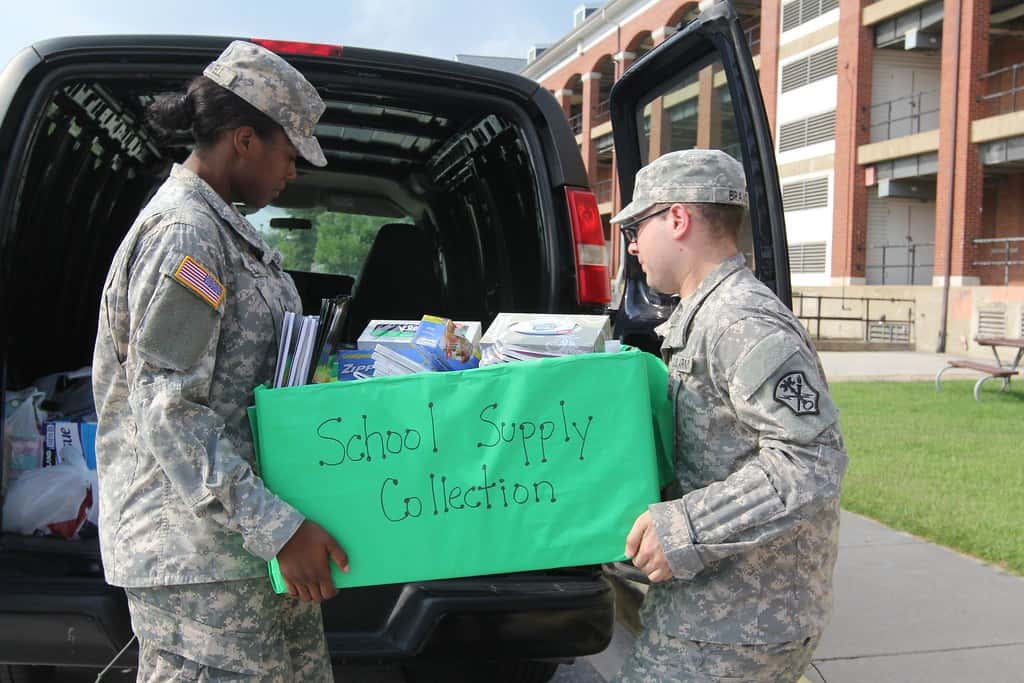
Teachers, who frequently buy classroom supplies out of their own pockets, are also positioned to benefit from the exemption on school supplies and learning aids. Nonprofits that collect donated supplies for students in need often align their drives with the holiday to stretch contributions further.
Planning a smart shopping trip
Consumer advocates generally advise shoppers to make a list before heading out, both to stay within budget and to focus on genuinely needed items rather than impulse buys that erase the tax savings. The exemption is a discount on things a family was going to buy anyway, and it delivers the most value when it is not treated as a reason to spend more.
Comparing prices remains important because a sale that pushes an item below a category cap can unlock the exemption, while a small markup can disqualify a product entirely. Watching those thresholds, particularly on shoes, higher-priced apparel and computers, can make the difference between a tax-free purchase and a taxable one.
Shoppers were also encouraged to keep receipts and to review them for any tax charged in error on qualifying items, since the exemption should be applied automatically. The Department of Revenue's published guidance is the authoritative reference for questions about specific products and price limits.
How the holiday evolved
The back-to-school exemption has grown considerably from its early form, when it often lasted only a weekend or a few days. Extending it to a full month reflects a deliberate policy choice to broaden participation and to give the relief a longer runway, ensuring that families shopping at different points in the summer can all take advantage.
The change also aligns the exemption more closely with the realities of modern shopping, which increasingly spreads across weeks rather than concentrating in a single trip. A month-long window accommodates online orders, restocking as school lists are finalized and the staggered timing of household budgets, making the benefit more accessible to a wider range of shoppers.
The exemption is one of several temporary tax breaks Florida has offered in recent years, part of a pattern of using targeted relief to ease specific costs. The back-to-school version has become among the most familiar and widely used, a fixture of the late-summer calendar that retailers and families alike now anticipate.
The retail and economic angle
For retailers, the holiday is both an opportunity and a logistical undertaking, driving a surge of traffic while requiring systems that correctly apply the exemption at checkout. Stores often build promotions and staffing around the period, treating it as one of the most important shopping stretches of the year outside the winter holidays.
The exemption's economic effect extends beyond the immediate savings to consumers, influencing the timing and volume of spending across the state. Concentrating purchases within the window can shift sales that might otherwise occur at different times, a dynamic retailers factor into their planning for the season.
Economists generally view such holidays as a modest form of stimulus with effects that are debated, since some spending would occur regardless of the exemption. For individual families, however, the practical benefit is straightforward, offering tangible savings on purchases they need to make as a new school year begins.
Making the most of the savings
Consumer advocates emphasize that the exemption delivers the most value when it is treated as a discount on necessary purchases rather than a reason to spend more. Making a list, setting a budget and focusing on genuinely needed items help families capture the savings without letting the holiday drive unnecessary spending.
Timing purchases thoughtfully can also maximize the benefit, particularly for households whose budgets fluctuate through the month. The extended window allows shoppers to buy when funds are available, spreading purchases across the period rather than concentrating them in a single, costly trip.
Watching price thresholds remains one of the most practical strategies, since an item priced just below a category cap qualifies while one just above does not. Attention to those limits, especially on shoes, higher-priced clothing and computers, can determine whether a purchase is tax free or fully taxable.
Beyond the individual shopper
The exemption's reach extends beyond individual families to the broader community, including teachers who often purchase classroom supplies out of their own pockets. Educators can benefit from the exemption on school supplies and learning aids, easing a cost that many shoulder personally as a new school year begins.
Charitable organizations that collect supplies for students in need also align their efforts with the holiday, stretching donations further by purchasing during the exemption window. That coordination helps direct more resources to children whose families may struggle to afford the essentials of the school year.
In that way, the holiday functions as more than a personal savings opportunity, touching schools, teachers and community organizations across the state. Its month-long span gives all of those participants time to plan and purchase, broadening the reach of the relief it provides.
What is next
The holiday continues through Aug. 20, giving families several more weeks to complete their back-to-school shopping under the exemption. As the new school year approaches, demand typically builds, and popular items can sell out, so shoppers waiting until the final days may find fewer choices even as the tax break remains available.
The sales tax holiday is one of several consumer-focused exemptions Florida has offered in recent years, part of a broader pattern of using temporary tax relief to ease specific costs for residents. The back-to-school version is among the most widely used, reflecting how directly it touches families with school-age children.
For now, the practical takeaway for Floridians is simple: a wide range of clothing, supplies and technology can be purchased tax free through the middle of August, and a little planning around the price caps and exclusions can help households capture the most value from the exemption before it closes.
Spotted an issue with this article?
Have something to say about this story?
Write us a letterComments
No comments yet. Be the first to weigh in.
Related Coverage

Jacksonville council members weigh relief for high JEA bills as utility says it isn't ready for a hyperscale data center
22h ago

Rays to open Westshore ballpark experience center in 2027 as Tampa stadium deal moves ahead
1d ago

New I-95 Interchange at Oslo Road Opens in Indian River County More Than a Year Early
2d ago

Dean Guitars parent Armadillo ordered to pay Gibson more than $4 million in legal fees
3d ago